
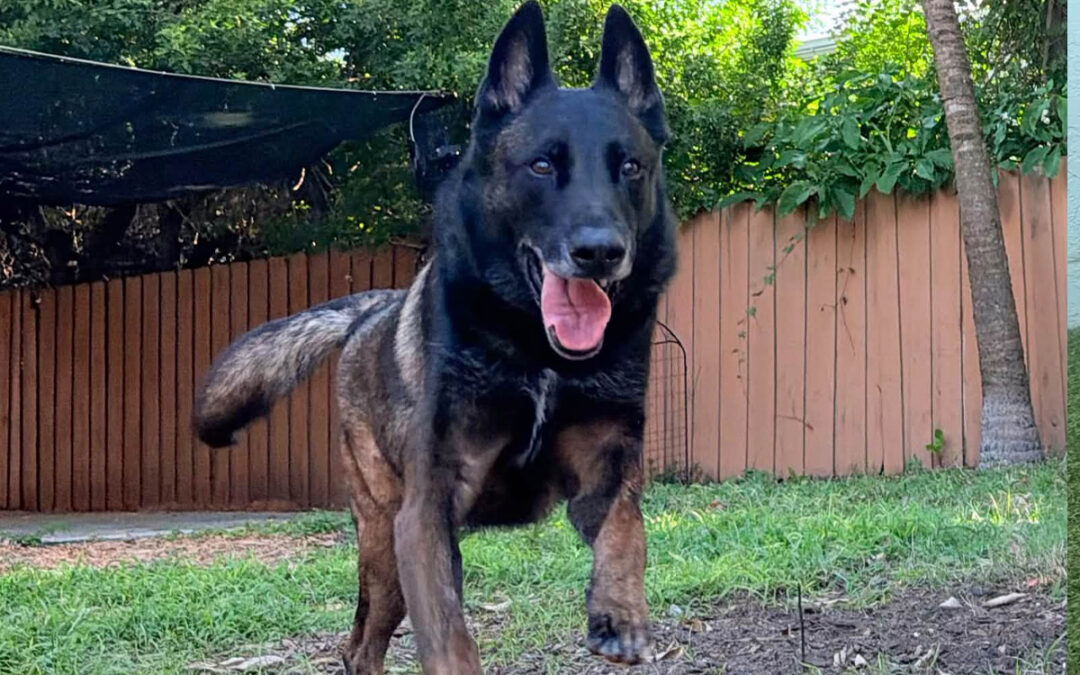
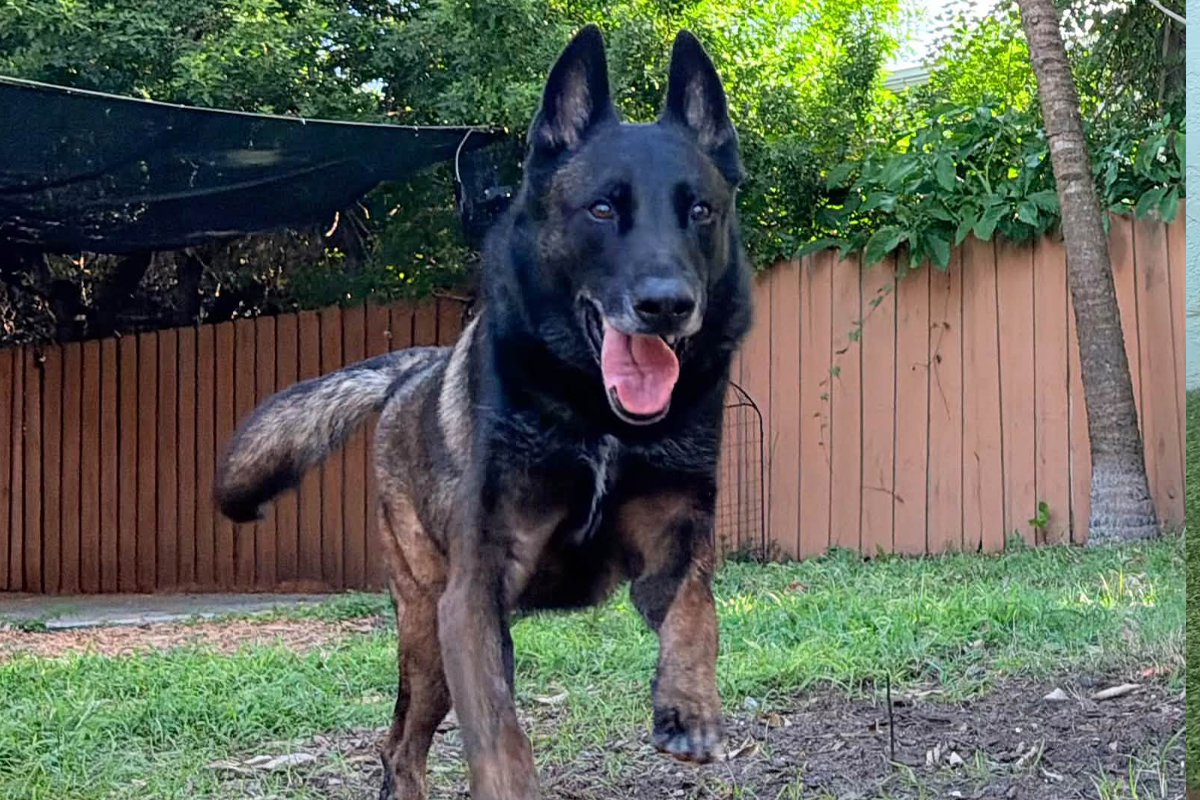
Moving distractions are some of the hardest things for many dogs to ignore.
A person standing still may not matter.
The same person starts jogging and suddenly the dog is pulling.
A bicycle passes and the dog locks on.
Another dog begins moving and focus disappears.
A squirrel runs across the yard and every familiar command seems to vanish.
Movement changes the difficulty because it can trigger excitement, curiosity, chase behavior, fear, frustration, or intense interest all at once.
That means teaching focus around movement requires more than simply repeating commands.
The dog has to learn how to notice motion without automatically following it, chasing it, reacting to it, or mentally disconnecting from the handler.
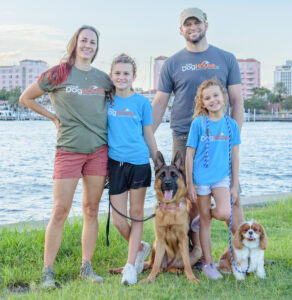
Helping dogs build that kind of real-world focus is an important part of the dog training and boarding support families receive from The DogHouse LLC in Pinellas County, Florida.
Movement Is Naturally More Difficult Than Stillness
A stationary object is predictable.
Movement is not.
The dog has to process speed, direction, distance, and change.
That can make even familiar distractions much more exciting.
A parked bicycle may be easy.
A bicycle moving past can be hard.
A dog sitting across the street may be manageable.
The same dog running can become much more difficult.
This is why movement should be treated as a separate level of training difficulty.
Dogs Often React to Motion Before They Think
Some responses happen very quickly.
The dog sees movement.
Body tension increases.
Eyes lock on.
Leash pressure builds.
The dog may move before they have really processed what is happening.
Training helps create a pause between seeing movement and reacting to it.
That pause is where better choices begin.
Focus Does Not Mean the Dog Never Looks
A realistic goal is not making the dog ignore the world completely.
Dogs will notice movement.
They may look.
That is normal.
The important part is whether they can disengage.
Look.
Then return attention.
That is useful focus.
Fixation Is Different From Awareness
A quick glance is usually manageable.
A hard stare is different.
The dog stops checking in.
The body leans forward.
The leash tightens.
The distraction begins controlling the dog mentally.
That is fixation.
Training should interrupt fixation early rather than waiting for the full reaction.
Distance Makes Moving Distractions Easier
Movement is always easier to handle when the dog has enough space.
A jogger thirty feet away may be manageable.
The same jogger five feet away may be overwhelming.
Use enough distance for the dog to remain responsive.
Then reduce the distance gradually.
Distance Is Not Avoidance
Moving farther away does not mean you are ignoring the problem.
It means you are creating the conditions where learning can happen.
The dog still sees the distraction.
They simply have enough space to think.
That is where productive training starts.
Start With Slow Movement
Do not begin with fast bicycles or running dogs.
Start easier.
A person walking slowly.
Someone moving across the room.
A person changing direction calmly.
The dog learns to remain engaged.
Then speed can increase later.
Slow Movement Builds the Foundation
The dog watches.
Remains responsive.
Checks in.
Receives reinforcement.
This creates the first successful pattern.
Movement happens and the dog stays connected.
That pattern should become familiar before difficulty increases.
Speed Changes Everything
A dog may remain calm around someone walking.
That same person begins running and the dog reacts.
Speed adds intensity.
Train this gradually.
Walk.
Faster walk.
Jog.
Run.
Each step should stay within the dog’s ability to succeed.
Direction Matters Too
Movement directly toward the dog can feel harder than movement across the dog’s field of view.
Movement away may trigger chase interest.
Crossing motion may be easier.
Different directions should be practiced separately.
Do not assume one successful setup means all movement is equally manageable.
Head-On Movement Can Create Pressure
A person or dog approaching directly may feel more intense.
Create space.
Use a wider angle.
Work on engagement.
The goal is keeping the dog under threshold while the moving distraction is still present.
Parallel Movement Can Be Easier
A dog moving in the same general direction at a distance may be much easier to handle.
This setup can help build neutrality.
The dog learns that movement nearby does not automatically require interaction.
That is a valuable real-world skill.
Engagement Should Come Before Obedience
If the dog is completely locked onto the moving distraction, asking for multiple commands may not help.
First rebuild engagement.
Name response.
Eye contact.
Following the handler.
Then ask for simple obedience.
Focus comes before advanced performance.
Check-Ins Are Extremely Valuable
The dog notices movement.
Then looks back toward you.
That is exactly the behavior you want.
Reward it.
Over time, the dog learns that seeing movement should lead to reconnecting rather than fixating.
Reward Disengagement Early
Do not wait until the dog has stared for ten seconds.
The earlier they disengage, the better.
Look.
Turn back.
Reward.
This teaches the dog to recover quickly.
Food Can Help Build Focus
Food rewards can be useful when teaching around movement.
The dog sees the distraction.
Remains calm.
Checks in.
Reward.
This creates a stronger association between movement and good decisions.
The reward should come after the behavior you want.
Toys Can Work for Some Dogs
Toy-driven dogs may respond better to play than food.
A short tug.
A favorite toy.
A ball.
These can reinforce strong engagement.
The goal is choosing something the dog values enough to compete with the environment.
The Environment Can Be a Reward Too
Good focus can lead to continued walking.
Sniffing.
Exploration.
Access to a new area.
This makes obedience part of real life.
The dog learns that staying connected does not mean losing every opportunity.
Joggers Are a Common Moving Distraction
Joggers combine speed and human movement.
Some dogs want to chase.
Others become excited.
Some bark.
Start far enough away.
Let the dog notice.
Reward calm attention back toward you.
Gradually reduce distance.
Bicycles Can Be More Difficult
Bicycles move quickly and quietly.
That can trigger a stronger response.
Work at a larger distance at first.
Do not wait until the bicycle is directly beside the dog.
Use early engagement and planned space.
Scooters Can Be Unpredictable
Scooters may change speed and direction quickly.
This can make them especially difficult.
Train in controlled environments when possible.
The dog should have enough room to observe without becoming overwhelmed.
Skateboards Can Trigger Strong Reactions
The sound and movement combination can be intense.
Rolling noise.
Fast movement.
Sudden turns.
Use distance.
Short sessions.
Reward calm recovery.
Do not force close exposure too quickly.
Children Add Extra Difficulty
Children rarely move in straight predictable lines.
They run.
Stop.
Turn.
Shout.
Wave.
That can be very stimulating.
The dog should be trained from a safe distance with adult control.
Children should never be used as unplanned training tools.
Running Children Can Trigger Chase Interest
Even friendly dogs can become highly excited by running.
That does not automatically mean aggression.
But it can still become unsafe.
The dog should learn that movement does not give permission to chase.
Impulse control matters.
Cars Can Be Powerful Triggers
Some dogs become fixated on moving vehicles.
Others lunge.
Some try to chase.
This can be dangerous.
Work far from traffic at first.
Use strong leash control and plenty of distance.
Safety comes first.
Traffic Training Should Be Very Gradual
Start where the dog can hear and see cars without reacting strongly.
Practice engagement.
Then move closer over time.
Do not work so close that the dog repeatedly loses control.
Repeated failure strengthens the wrong habit.
Wildlife Creates Intense Movement
Squirrels.
Birds.
Rabbits.
Lizards.
Wildlife can instantly capture attention.
Dogs with strong chase drive may struggle more.
Use a leash or long line.
Do not rely on unproven recall.
Long Lines Are Useful Around Moving Distractions
A long line gives the dog room without sacrificing control.
This is helpful for recall and engagement around motion.
The dog can move.
Observe.
Practice turning back.
The handler still has a safety connection.
Recall Becomes Harder When Something Is Moving Away
Movement away from the dog can trigger pursuit.
A dog may recall well from a stationary distraction but fail when the distraction starts leaving.
Practice this in stages.
Start with slow movement.
Then increase difficulty gradually.
Do Not Test Recall Against Maximum Temptation
A dog that barely understands recall should not be expected to ignore a running squirrel.
That is too large a jump.
Build reliability first.
Use easier distractions.
Then increase intensity.
Leash Walking Should Include Movement Practice
Walks naturally provide moving distractions.
Use them strategically.
A jogger approaches.
Create space.
The dog stays with you.
Reward.
Continue.
This is practical training.
Do Not Wait Until the Leash Is Tight
If the dog is already pulling hard toward movement, you are late.
Intervene earlier.
The dog notices.
You create space.
Engagement returns.
The walk continues under control.
Early timing makes everything easier.
Changes of Direction Can Help
A change of direction can break fixation.
The dog begins locking onto movement.
Turn.
Move away.
Reward reconnection.
This teaches the dog to follow the handler instead of being dragged mentally by the distraction.
U-Turns Are Practical Real-World Skills
Sometimes the environment becomes too difficult.
Use a smooth turn.
Create distance.
Reset.
This is not failure.
It is smart management.
The dog gets another chance to succeed.
Crossing the Street Can Be the Right Choice
If a moving distraction is approaching too closely, cross.
More distance can immediately improve behavior.
The goal is not proving the dog can handle the closest pass.
The goal is building reliable calmness.
Moving Dogs Can Be Especially Difficult
A stationary dog may not matter much.
Once that dog begins running or pulling, the reaction can increase.
The motion itself raises intensity.
Use enough distance.
Do not let another dog’s movement dictate your dog’s behavior.
Dog Play Can Make Focus Harder
Watching dogs run and play can be very stimulating.
The dog may want to join.
Whine.
Pull.
Bark.
This is a useful but advanced distraction.
Start far away.
Reward neutrality.
Not Every Moving Dog Needs to Become a Greeting
If the dog always gets access after pulling toward other dogs, movement becomes even more valuable.
Teach calm observation.
Passing.
Disengagement.
This reduces the expectation that every dog is socially available.
Neutrality Makes Movement Easier to Handle
A dog that sees every person, dog, bicycle, or car as important will struggle.
Neutrality teaches the dog that movement can happen without requiring action.
See it.
Let it pass.
Continue.
That is the goal.
Movement Around the Home Matters Too
Training should not only happen outside.
Children running through the house.
People walking between rooms.
Vacuuming.
Cleaning.
Guests moving around.
These can all trigger overinvolvement.
The dog should learn to remain settled while household movement happens.
Place Work Is Excellent for This
Put the dog on place.
Someone walks past.
The dog remains.
A person carries something.
Still on place.
Movement happens without the dog needing to join.
This is practical impulse-control training.
Start With One Person Moving Slowly
Do not begin with a chaotic household.
One person walks across the room.
Dog stays on place.
Reward.
Then add more movement.
Difficulty should increase gradually.
Add Faster Household Movement Later
Once calm walking is easy, add quicker movement.
Someone changes direction.
Moves toward the door.
Carries groceries.
The dog learns that movement does not automatically release them.
Cleaning Can Be a Useful Practice Situation
Vacuuming and sweeping involve repetitive motion.
Some dogs chase or bark.
Others follow constantly.
Use place and distance.
The dog learns to stay out of the activity.
Vacuum Reactions May Need Separate Work
The vacuum combines movement, sound, and proximity.
That is a more difficult trigger.
Start farther away.
Use shorter sessions.
Build calmness gradually.
Do not assume it is only a movement problem.
Door Activity Adds Motion and Anticipation
Someone walks toward the front door.
The dog gets up.
A delivery driver passes.
The dog rushes.
Movement around doors often carries extra meaning.
Place work helps separate the dog from that activity.
Delivery Drivers Can Be Difficult
They approach quickly.
Stop.
Walk away.
Sometimes carry packages.
The pattern is unpredictable.
Use distance from windows and the entryway.
Practice neutrality rather than allowing the dog to patrol the event.
Window Watching Can Strengthen Movement Fixation
Dogs positioned at windows may spend hours tracking people, dogs, vehicles, and wildlife.
This gives them constant practice reacting to motion.
Reducing access can help.
Training becomes easier when the dog is not rehearsing the problem all day.
Fence Running Is Another Form of Movement Reinforcement
A dog sees movement outside.
Runs along the fence.
Barks.
The person or dog moves away.
From the dog’s perspective, the reaction may feel successful.
Supervised yard time and better recall can reduce this pattern.
Yard Freedom Should Not Mean Patrol Duty
Dogs do not need to monitor every movement around the property.
Outdoor time can include sniffing, play, and relaxation.
If the dog spends the entire time tracking motion, more structure may be needed.
Moving Distractions Can Be Harder in Multi Dog Homes
One dog notices.
Runs.
The other joins.
Now the movement becomes a group event.
Each dog should develop individual focus first.
Group work comes later.
One Dog Can Trigger the Whole Group
A single bark or lunge can activate everyone.
Separate training may be necessary.
Each dog should learn to respond independently rather than automatically following the group.
Individual Place Work Helps
Give each dog a separate area.
Movement happens.
Each dog remains responsible for their own behavior.
This reduces competition and chain reactions.
Group Walks Add Moving Distractions From Within the Group
Another household dog can become a distraction too.
One speeds up.
The other follows.
Individual leash manners should be strong first.
Then group walks become easier.
Movement Should Not Automatically Create Access
This is an important principle.
Someone moves.
The dog does not automatically follow.
Another dog runs.
Your dog does not automatically join.
A cyclist passes.
The dog does not chase.
Movement exists without becoming permission.
Impulse Control Is the Foundation
The dog sees something interesting.
Feels the urge to move.
But waits.
That is impulse control.
Moving-distraction training is often less about obedience commands and more about strengthening that pause before action.
Waiting Builds Better Control
Use simple waiting exercises.
Before doors.
Before food.
Before toys.
These everyday skills help the dog practice delaying movement.
That emotional ability supports better behavior around fast distractions.
Toy Work Can Help With Motion Control
Toys move.
That makes them useful training tools.
Ask the dog to wait.
Move the toy.
Dog stays controlled.
Then release.
This teaches the dog that motion does not automatically mean chase.
Start With Small Toy Movement
Do not swing the toy wildly at first.
Move it slightly.
Reward self-control.
Then increase motion.
This creates a safe, controlled way to practice.
Balls Can Be Used Carefully
A rolling ball can be highly exciting.
Ask for waiting.
Roll slowly.
Dog remains.
Then release on permission.
This builds impulse control around moving objects.
Tug Can Teach Start and Stop
Tug is useful because the handler controls movement.
Start.
Play.
Stop.
Ask for release.
Pause.
Restart.
The dog learns to move between excitement and control.
The Off Switch Matters
Focus around motion is not only about preventing chasing.
The dog also needs to calm down afterward.
The bicycle passes.
The dog remains responsive.
Then returns to normal.
Recovery is part of the skill.
Faster Recovery Shows Progress
At first, the dog may stare for several seconds.
Later, one second.
Eventually, glance and move on.
That faster recovery is meaningful.
It shows the distraction is becoming less controlling.
Do Not Measure Progress Only by Perfect Ignoring
The dog may still notice movement.
That is okay.
Look for smaller reactions.
Less pulling.
Shorter fixation.
Faster check-ins.
Better recovery.
These are all signs of improvement.
Moving Distractions Should Be Practiced in Multiple Environments
A dog may handle joggers in the neighborhood but struggle in a park.
Practice in more than one place.
Different environments change the picture.
Generalization matters.
Start New Environments at an Easier Level
When moving somewhere new, increase distance again.
Do not assume the same close distance will work immediately.
New surroundings add difficulty.
Build back up gradually.
Parking Lots Can Be Useful With Care
Parking lots offer controlled exposure to people and moving carts.
Stay away from active traffic.
Work along the quieter edges.
Practice engagement and calm passing.
Safety should guide the setup.
Parks Offer Adjustable Distance
You can remain far from paths.
Watch joggers and bicycles from a distance.
Then move closer as focus improves.
This makes parks useful for controlled progression.
Trails Can Be More Difficult
Narrow trails reduce space.
A bicycle or jogger may appear suddenly.
Dogs should have stronger skills before working in tighter environments.
Use management and good situational awareness.
Busy Sidewalks Are Advanced
Close passes.
Limited room.
Constant movement.
This is much harder than an open area.
Do not rush into high-density environments before the dog has a strong foundation.
The Dog Should Be Able to Respond to Simple Cues
Sit.
Come.
Place.
Look.
If these disappear whenever something moves, training difficulty is too high.
Increase distance.
Lower intensity.
Let the dog succeed.
First-Time Responses Matter Around Motion
A moving distraction can change quickly.
That makes prompt responses especially valuable.
The dog sees the jogger.
You give the cue.
They respond.
This creates safer, clearer handling.
Repeating Commands Can Make Things Worse
The dog stares.
“Sit.”
“Sit.”
“Sit.”
By the third cue, the distraction has moved closer.
The dog is even less responsive.
Create distance first.
Then give one clear cue.
Timing Beats Volume
A calm cue given early is more useful than a loud cue given after the dog has lost control.
Watch the environment.
Respond sooner.
Good timing prevents bigger reactions.
Handler Awareness Matters
Part of moving-distraction training is teaching the person to scan ahead.
See the bicycle first.
Notice the approaching dog.
Spot the runner.
This gives you time to adjust distance before the dog reaches threshold.
Early Management Creates Better Repetitions
The earlier you make a decision, the easier the training usually becomes.
Step aside.
Cross.
Turn.
Ask for engagement.
Reward.
Now the dog practices success instead of chaos.
Do Not Force the Closest Possible Pass
There is no prize for walking your dog three feet from a bicycle if they lose control.
A calm pass at twenty feet is better training.
Quality matters more than proximity.
Close Distance Should Be Earned
The dog proves they can handle movement at a comfortable distance.
Then move slightly closer.
Repeat.
Over time, the behavior becomes stronger.
This is how reliable neutrality develops.
One Variable at a Time Helps
If the movement gets faster, increase distance.
If the distance gets closer, keep movement slower.
Changing multiple variables at once can make the exercise too difficult.
Build systematically.
Duration Matters Too
Watching movement for thirty seconds is different from spending an hour beside a busy path.
Dogs can become mentally tired.
Keep sessions reasonable.
Successful short training is better than long exposure that falls apart.
Overtired Dogs May React More Strongly
A tired dog may have less self-control.
They become more impulsive.
More vocal.
More reactive.
Rest affects training performance.
Do not evaluate everything in isolation.
Trigger Stacking Can Make Motion Harder
The dog sees a bicycle.
Then a barking dog.
Then construction equipment.
Then a jogger.
By the fourth distraction, the dog may react more strongly than usual.
Several events can build on each other.
More distance may be needed.
Heat Can Reduce Focus
In Pinellas County, heat and humidity can make outdoor training harder.
A dog that is physically uncomfortable may have less patience and lower focus.
Use cooler times of day when possible.
Keep sessions appropriate.
Hot Pavement Can Affect Behavior
A dog may appear distracted or reluctant because the ground is uncomfortable.
Check conditions.
Training should never ignore physical safety.
Comfort affects concentration.
Fearful Reactions Need a Slower Approach
Not every reaction to movement is chase excitement.
Some dogs are afraid.
They may retreat.
Freeze.
Bark defensively.
These dogs need more space and careful exposure.
Do not force them closer to prove a point.
Fear Can Look Like Disobedience
The dog stops listening.
Refuses food.
Pulls away.
That may be an emotional response, not stubbornness.
Reduce pressure.
Create distance.
Restore a sense of safety.
Aggressive Behavior Requires Careful Management
Growling, lunging, or snapping toward moving triggers should be taken seriously.
Professional guidance may be appropriate.
Safety, distance, and controlled training become especially important.
Do not create uncontrolled close encounters.
Sudden Changes May Have Physical Causes
If a dog suddenly starts reacting to movement when they never did before, consider the possibility of pain, vision changes, hearing changes, or other physical issues.
Veterinary guidance may be appropriate when behavior changes suddenly.
Medical discomfort can affect how a dog perceives movement.
Puppies Should Learn Movement Neutrality Early
Young dogs naturally notice everything.
This is a good time to teach calm observation.
Watch bicycles from a distance.
See children moving.
Reward check-ins.
The goal is exposure with structure.
Do Not Overwhelm Puppies With Busy Environments
More exposure is not always better.
Short successful experiences build confidence.
Too much intensity can create stress.
Keep the puppy within a manageable learning zone.
Adolescent Dogs Often Struggle More With Motion
Young dogs may suddenly become much more interested in movement.
Chasing.
Pulling.
Fixating.
This is common as confidence and independence increase.
Continue training rather than assuming they will simply mature out of it.
Adult Dogs Can Improve Too
A dog that has chased moving distractions for years can still learn better habits.
The pattern may take more work because it is well practiced.
But better distance, engagement, and impulse control can create meaningful change.
Consistency Across Family Members Matters
One person allows the dog to pull toward joggers.
Another expects neutrality.
The dog receives mixed information.
Shared rules improve learning.
Everyone should understand how to manage moving distractions.
Children Should Not Handle Difficult Situations Alone
A strong dog reacting to bicycles, joggers, or other dogs can be hard to control.
Adults should handle these situations.
Safety comes before training participation.
Real-World Focus Is Not About Constant Eye Contact
The dog does not need to stare at the handler for the entire walk.
That is not practical.
They can observe the world.
Sniff.
Look around.
The important part is being able to reconnect when needed.
Functional Focus Is the Goal
See the distraction.
Remain under control.
Respond to the handler.
Move on.
That is useful.
The dog stays part of the environment without being controlled by it.
The Best Behavior Often Looks Uneventful
A jogger passes.
The dog glances.
Keeps walking.
A bicycle goes by.
Nothing happens.
Another dog moves across the street.
The dog stays responsive.
This may look boring.
That is exactly what successful training should produce.
Progress Often Happens Gradually
First, the dog can only handle movement far away.
Then closer.
Then faster.
Then in a new environment.
Reliable behavior grows in layers.
Do not rush the progression.
One Bad Reaction Does Not Erase Progress
Something may surprise the dog.
A bicycle appears suddenly.
The dog reacts.
That does not mean all training is lost.
Recover.
Create space.
Continue with a better setup.
Look at the overall pattern.
Repeated Failure Means the Setup Is Too Hard
If the dog keeps losing control, change something.
More distance.
Slower movement.
Shorter duration.
Easier environment.
Training should create success, not endless testing.
Reliable Focus Creates More Freedom
A dog that can remain responsive around movement is easier to take places.
Walks become more enjoyable.
Public outings become more manageable.
The family has greater confidence.
Good focus creates opportunity.
Board-and-Train Can Help Build Focus Around Real-World Movement
Some dogs listen well until something starts moving.
Then they pull, chase, bark, lunge, fixate, or completely ignore familiar commands.
These dogs may understand obedience but lack the impulse control and environmental neutrality needed to use those skills around motion.
A structured board-and-train program can help build that missing layer.
The dog receives consistent practice with leash manners, engagement, recall, place work, impulse control, environmental neutrality, and recovery around controlled moving distractions.
Distance, speed, direction, and intensity can be adjusted gradually so the dog learns how to remain responsive instead of becoming overwhelmed.
The family also receives guidance on continuing that work at home and in the environments where moving distractions are most likely to appear.
That follow-through matters because reliable focus develops through repeated success in real-world situations.
Teaching your dog to stay focused around moving distractions is about helping them notice motion without automatically becoming controlled by it.
A jogger can pass.
A bicycle can move by.
Another dog can run.
A child can cross the sidewalk.
The dog may notice all of it and still remain connected to the handler.
That skill develops through appropriate distance, gradual increases in speed and intensity, engagement work, impulse control, clear leash handling, and repeated successful exposure.
From our perspective, the goal is not a dog that never looks at movement. It is a dog that can see something interesting happen, remain under control, and return their attention when asked. When that ability becomes reliable, walks become calmer, reactions become smaller, and the dog gains more freedom to participate in everyday life.
Contact The DogHouse LLC to learn how a structured board-and-train program can help your dog develop stronger focus, better impulse control, and more reliable behavior around moving distractions throughout Pinellas County, Florida.