

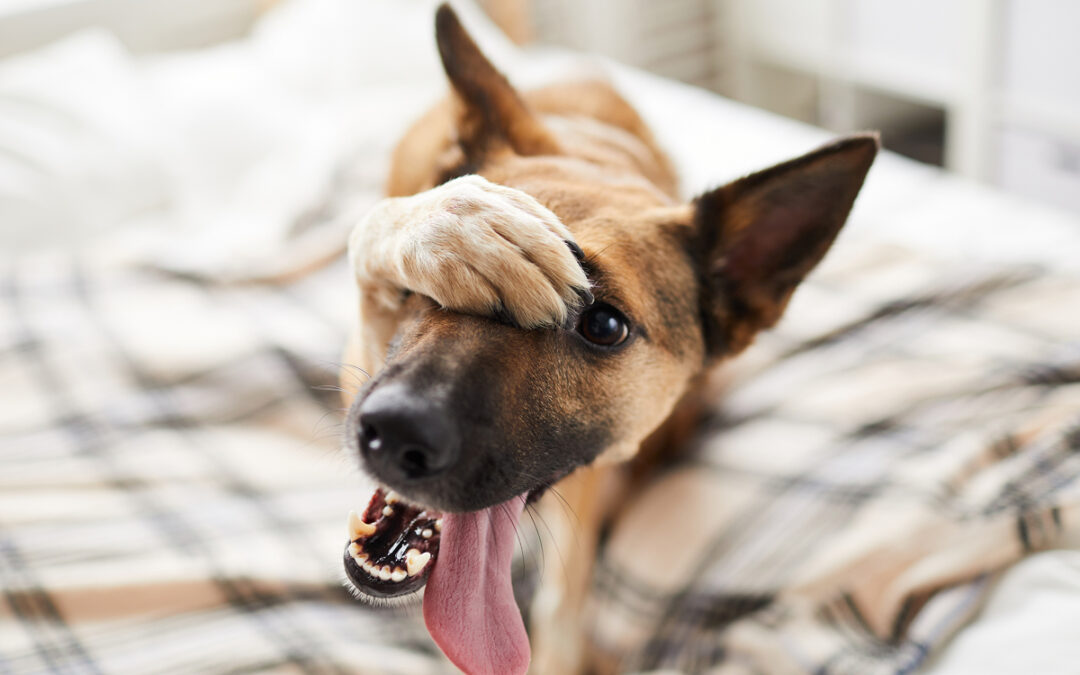
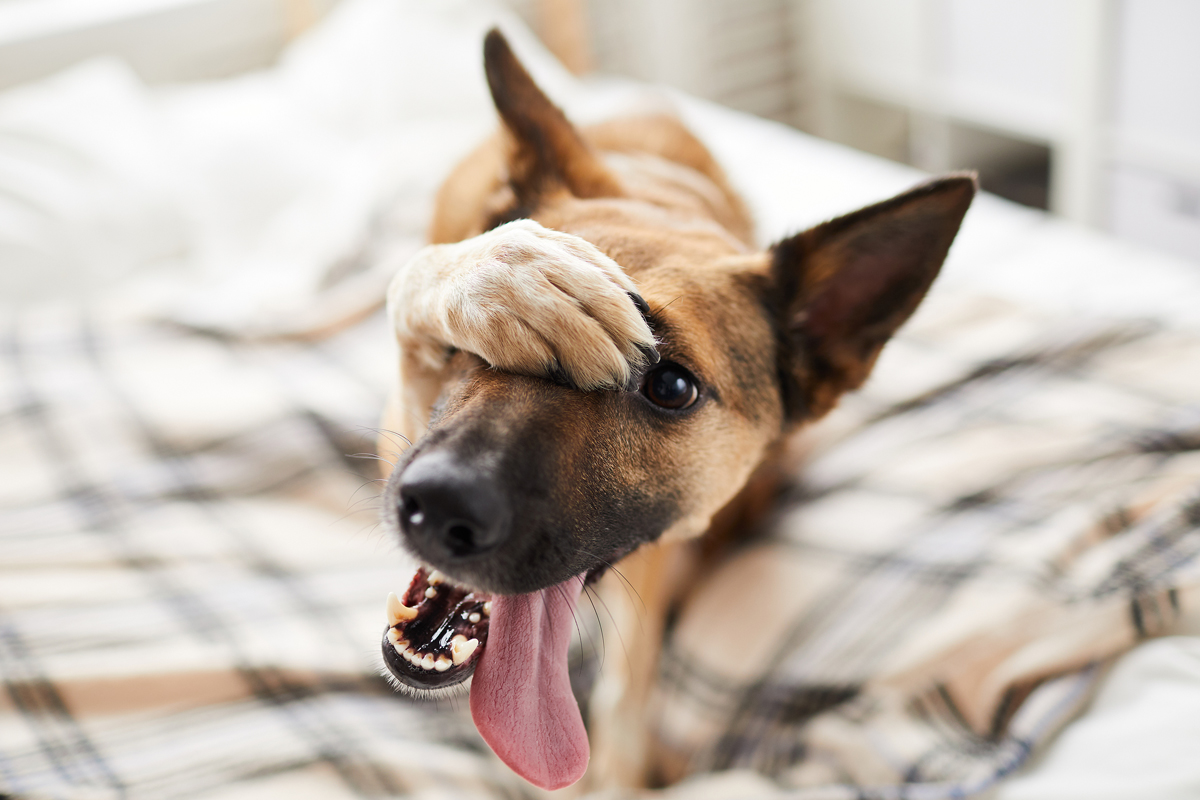
Every dog deserves to feel safe, confident, and happy, but not every dog starts that way. Fearful or shy dogs can struggle with new environments, people, or experiences, making even simple outings feel overwhelming. The good news is that confidence isn’t just a personality trait, it’s a skill that can be built through proper training and patience.
At The DogHouse LLC, our family-owned dog training and boarding business has helped countless shy and nervous dogs throughout Pinellas County gain confidence and thrive. Through clear communication, calm leadership, and structured training, we show owners how to turn uncertainty into trust — one small success at a time.
1. Understand Where the Fear Comes From
Before you can help your dog overcome fear, it’s important to understand what’s causing it. Fear-based behaviors are often rooted in insecurity, lack of socialization, or negative past experiences.
Common Causes of Fear or Shyness:
- Limited exposure to new sights, sounds, or people during puppyhood
- Previous trauma, harsh correction, or abandonment
- Genetic sensitivity (some breeds are naturally more cautious)
- Overprotective environments that prevent confidence-building experiences
Trainer’s Insight: Fearful dogs aren’t “broken.” They simply lack trust in their surroundings — and your goal as their owner is to rebuild that trust through calm consistency.
2. Build Trust Before Expecting Obedience
A fearful dog won’t learn if they don’t feel safe. Training should start with trust, not control.
Trainer’s Tip:
- Move slowly and avoid direct, prolonged eye contact early on.
- Use calm body language — stand sideways, not directly over your dog.
- Speak softly and reward curiosity rather than forcing interaction.
- Never drag, yell, or pressure your dog into new experiences.
Why It Works: Trust creates a foundation for learning. When your dog feels secure around you, they’ll begin to take cues and direction with confidence.
3. Use Structure to Build Confidence
Structure provides predictability — and predictability builds confidence. Dogs feel more secure when they understand what’s expected of them.
How to Add Structure:
- Maintain a consistent routine for feeding, walking, and training.
- Use obedience commands like sit, stay, and place to create calm focus.
- Keep rules simple and consistent across all family members.
At The DogHouse LLC: We teach that freedom comes from structure. Dogs who know their boundaries relax more easily because they no longer have to guess what’s right or wrong.
4. Start with Controlled Exposure (Not Overexposure)
Many owners think flooding a fearful dog with new experiences will “get them used to it” — but this often backfires. Confidence must be built gradually.
Trainer’s Method:
- Identify triggers (e.g., loud noises, strangers, or new environments).
- Expose your dog at a distance where they notice but don’t react.
- Reward calm behavior and ignore fearful responses.
- Gradually decrease the distance or increase exposure over time.
Why It Works: Controlled desensitization teaches your dog that the world is safe — and that they can handle new challenges calmly.
5. Celebrate Small Wins
For fearful dogs, progress often happens in small steps — and each one matters.
Examples of Confidence Wins:
- Approaching a new person or object on their own
- Relaxing in a new environment
- Maintaining focus during distractions
- Recovering quickly from a startle
Trainer’s Tip: Always end training sessions on a positive note. Success builds momentum, and even small victories reinforce bravery.
6. Use Positive Reinforcement (But Don’t Overdo It)
Rewards play a big role in confidence building, but timing and balance are key.
Trainer’s Advice:
- Reward calm investigation, not fear-based behavior.
- Keep treats small and pair them with verbal praise like “Good job.”
- Don’t comfort fearful reactions — it can unintentionally validate the fear.
At The DogHouse LLC: We emphasize confident leadership, not over-pampering. Dogs follow calm guidance — not pity.
7. Practice Neutral, Calm Socialization
Socialization isn’t just about exposure to other dogs or people — it’s about learning to remain calm around them.
Trainer’s Recommendation:
- Take slow, quiet walks in low-traffic areas.
- Let your dog observe other people and animals from a safe distance.
- Avoid forcing interaction — reward calm observation instead.
- Use calm, social dogs as role models during training sessions when appropriate.
Why It Works: Neutral exposure helps shy dogs learn that the world isn’t threatening — it’s simply full of new experiences to process at their own pace.
8. Stay Patient and Consistent
Confidence training takes time. Rushing your dog or expecting instant progress can undo your hard work.
Trainer’s Tip:
- Keep training sessions short and positive — 10 to 15 minutes is enough.
- Celebrate small improvements.
- Stay calm and predictable, even on tough days.
- Remember: your dog is watching how you react.
At The DogHouse LLC: We remind clients that confidence is earned through repetition, patience, and unwavering consistency — not shortcuts.
9. Seek Professional Guidance if Needed
If your dog’s fear or anxiety is severe, professional training can make all the difference. An experienced trainer can identify triggers, teach you how to respond appropriately, and guide your dog safely through confidence-building exercises.
Trainer’s Note:
- Look for a trainer with experience in behavior modification and balanced methods.
- Avoid anyone who uses intimidation or fear-based corrections — this can worsen anxiety.
- A good program focuses on calm exposure, obedience, and trust-building.
At The DogHouse LLC: Our trainers specialize in helping shy or nervous dogs build confidence through structured, compassionate training that’s tailored to each dog’s personality.
Helping a fearful or shy dog isn’t about pushing them to be brave overnight — it’s about showing them, through calm and consistent leadership, that the world is safe and they can rely on you. With patience, structure, and professional guidance, even the most timid dogs can learn to face the world with confidence.
At The DogHouse LLC, our family-owned team has nearly 20 years of experience helping dogs of all temperaments thrive through trust-based training. Whether your dog struggles with fear, anxiety, or uncertainty, we’ll help you create a balanced, confident companion — one success at a time.
Ready to help your dog gain confidence? Contact us about our personalized confidence-building and behavior modification programs.