

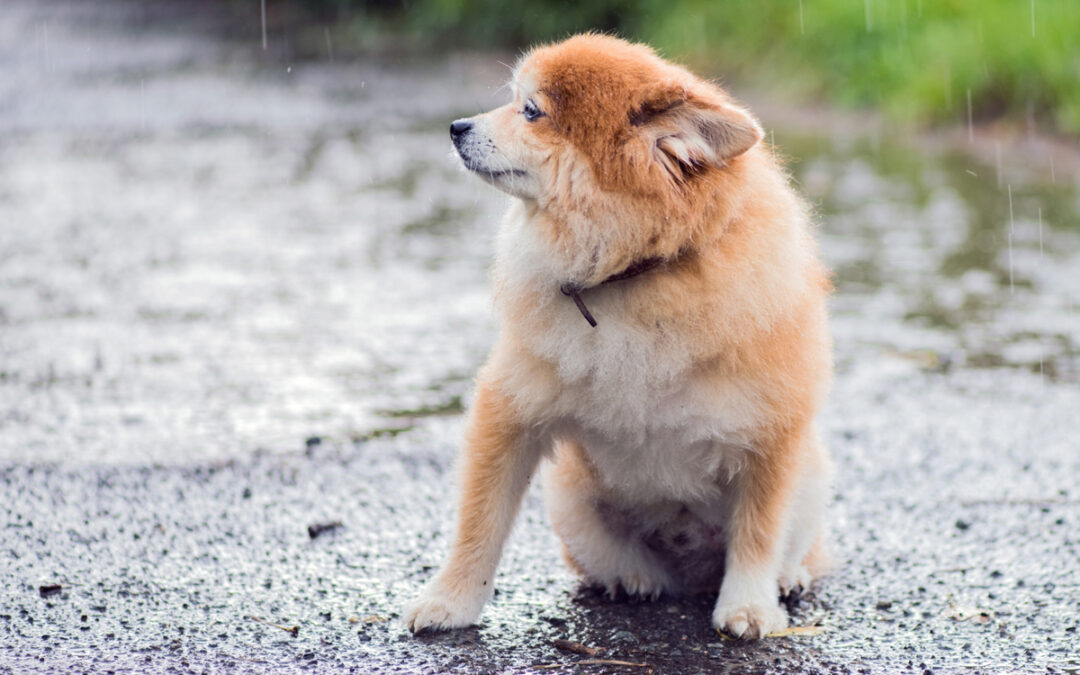
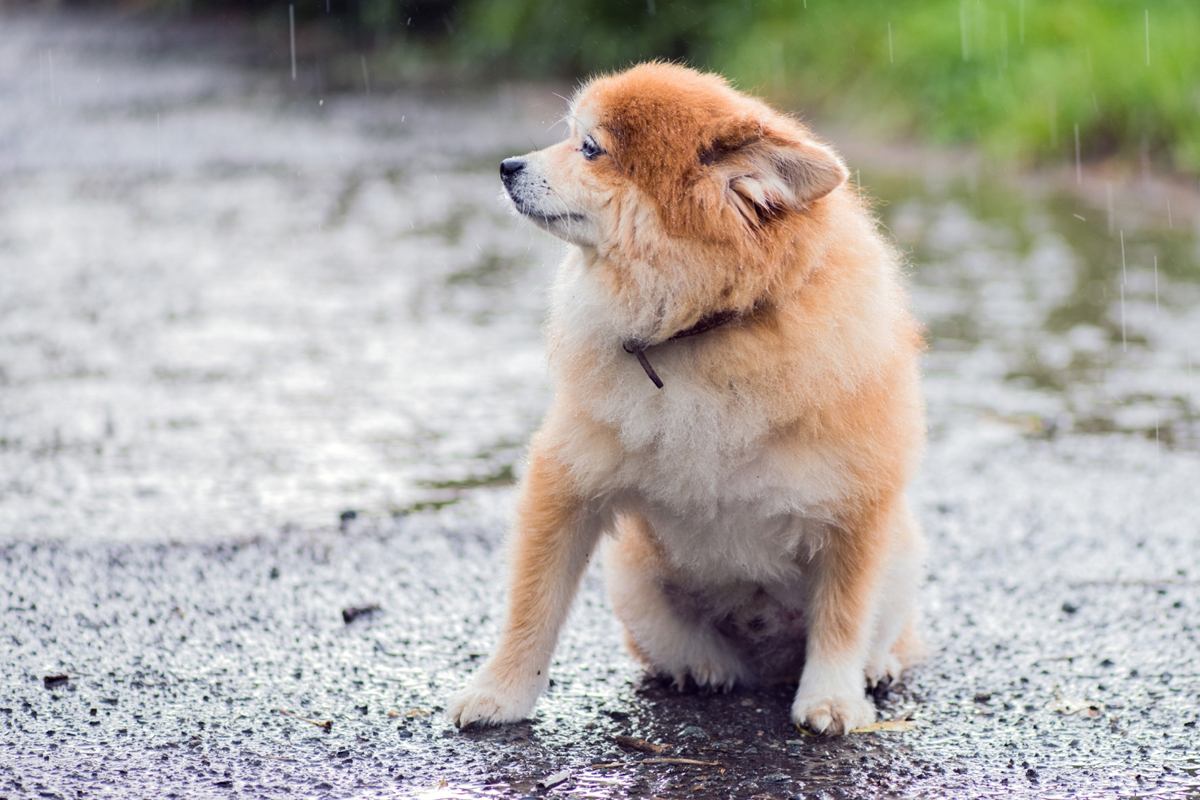
If your dog hides, shakes, or paces every time thunder rolls in, you’re not alone. Many dogs experience storm-related anxiety — often triggered by the sound, pressure changes, or even the static electricity in the air. These reactions can be stressful for both pets and their owners, but with the right preparation and training, you can help your dog feel more secure when Florida’s summer storms roll through.
At The DogHouse LLC, our family-owned training and boarding facility has helped Pinellas County families care for anxious dogs for nearly 20 years. Here are our top expert tips to help your dog stay calm and comfortable during thunderstorms.
1. Create a Safe, Quiet Space
Dogs often feel safest when they have a den-like spot to retreat to. Designate a quiet area in your home where your dog can go when storms hit.
Trainer’s Tip:
- Choose an interior room away from windows.
- Add soft bedding, favorite toys, or a worn T-shirt with your scent.
- Keep the door open so your dog doesn’t feel trapped.
Why It Works: A designated safe space gives your dog control and comfort when the world outside feels unpredictable.
2. Use Calming Sounds or Music
Background noise can help mask thunder and reduce anxiety. Try playing white noise, calming classical music, or even a TV show your dog is familiar with.
Pro Tip: Start playing calming sounds before the storm begins so your dog associates them with relaxation — not distress.
At The DogHouse LLC: We use soft background music in our boarding facility to help anxious dogs relax during bad weather.
3. Stay Calm and Reassuring — But Don’t Overreact
Dogs take emotional cues from their owners. If you act worried or overly comforting, your dog may interpret that as confirmation that something is wrong.
Best Approach:
- Stay calm and speak in a relaxed, normal tone.
- Offer gentle affection, but don’t force interaction.
- Avoid babying or excessive petting when your dog panics — it can reinforce fearful behavior.
Why It Works: Your steady presence helps your dog feel safe without unintentionally rewarding anxiety.
4. Try Desensitization Training
If your dog’s fear is severe, gradual exposure to thunder sounds in a controlled environment can help.
How to Do It:
- Play low-volume thunder recordings during calm times.
- Reward relaxed behavior with praise or treats.
- Gradually increase the volume over several sessions.
Trainer’s Tip: Pair the sounds with fun activities like play or training sessions so your dog learns thunder doesn’t have to be scary.
At The DogHouse LLC: Our training team often incorporates sound desensitization techniques into obedience and behavior sessions for anxious dogs.
5. Provide Physical and Mental Exercise Before Storms
A tired dog is less likely to react strongly to stress triggers. Before storms roll in, take your dog for a walk or engage in play and training activities.
Pro Tip:
- Avoid exercising outside if thunder is already audible.
- Indoor games like tug or obedience drills can help burn excess energy safely.
Why It Works: Mental and physical stimulation helps release tension and keeps your dog focused on positive activity instead of fear.
6. Consider Pressure Wraps or Calming Aids
Products like ThunderShirts or anxiety wraps can help many dogs feel secure during storms. These snug-fitting garments apply gentle, consistent pressure that helps reduce stress — similar to swaddling an infant.
Other Options to Discuss with Your Vet:
- Natural calming chews or pheromone diffusers
- Prescription anxiety medication for severe cases
Trainer’s Note: Always consult your veterinarian before using supplements or medication for anxiety management.
7. Practice “Calm Commands” Year-Round
Training your dog to respond to calming cues before storm season starts is one of the most effective long-term strategies.
Try These Exercises:
- Teach “place” — where your dog learns to stay calmly on a bed or mat.
- Pair calm behavior with verbal cues like “easy” or “settle.”
- Use treats and praise when your dog relaxes on command.
Why It Works: Building calm behavior into your dog’s routine gives them a familiar tool to fall back on when anxiety hits.
8. Avoid Forcing Exposure or Punishment
Never scold your dog for being afraid or try to “toughen them up” by forcing them to face thunder. Fear-based reactions can worsen if handled harshly.
Trainer’s Advice: Stay patient and remember that storm fear is instinctive for many dogs. Your goal is to replace fear with confidence — not suppression.
Thunderstorms may be a part of life in Florida, but fear doesn’t have to be. With the right environment, structure, and training, you can help your dog stay calm and confident no matter what’s happening outside.
At The DogHouse LLC, our family-owned team combines proven training methods with compassionate care to help every dog feel safe, secure, and happy — rain or shine. Whether your dog needs behavior support, boarding during storm season, or personalized training, we’re here to help.
Does your dog struggle with storm anxiety? Book your training or contact us today to learn more about our anxiety management and behavior training programs.