

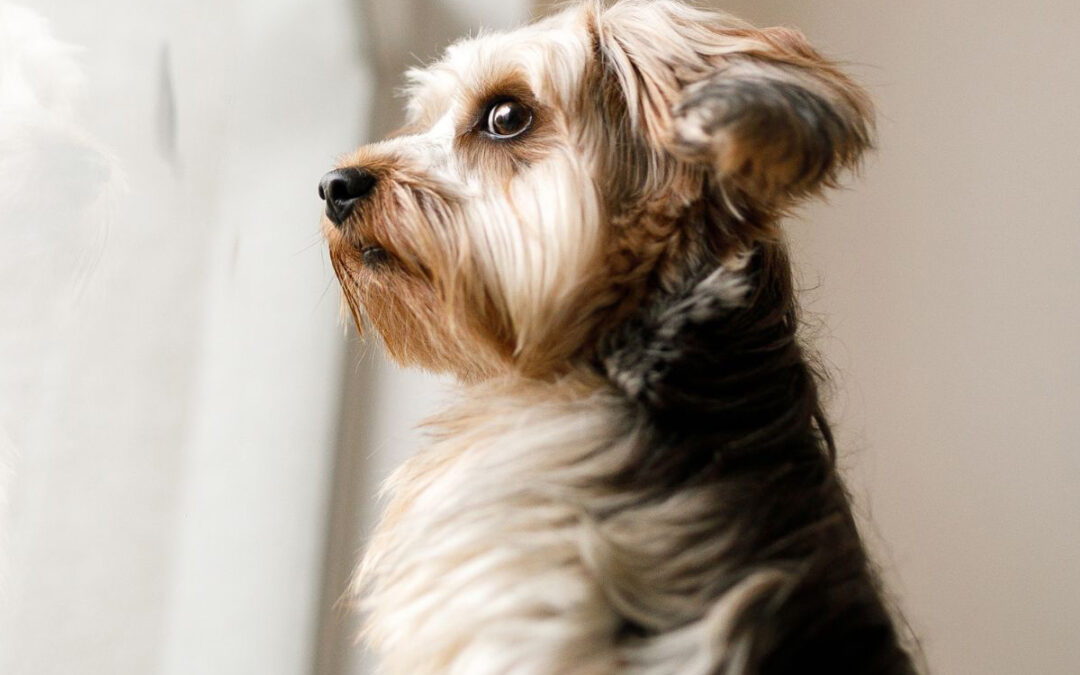
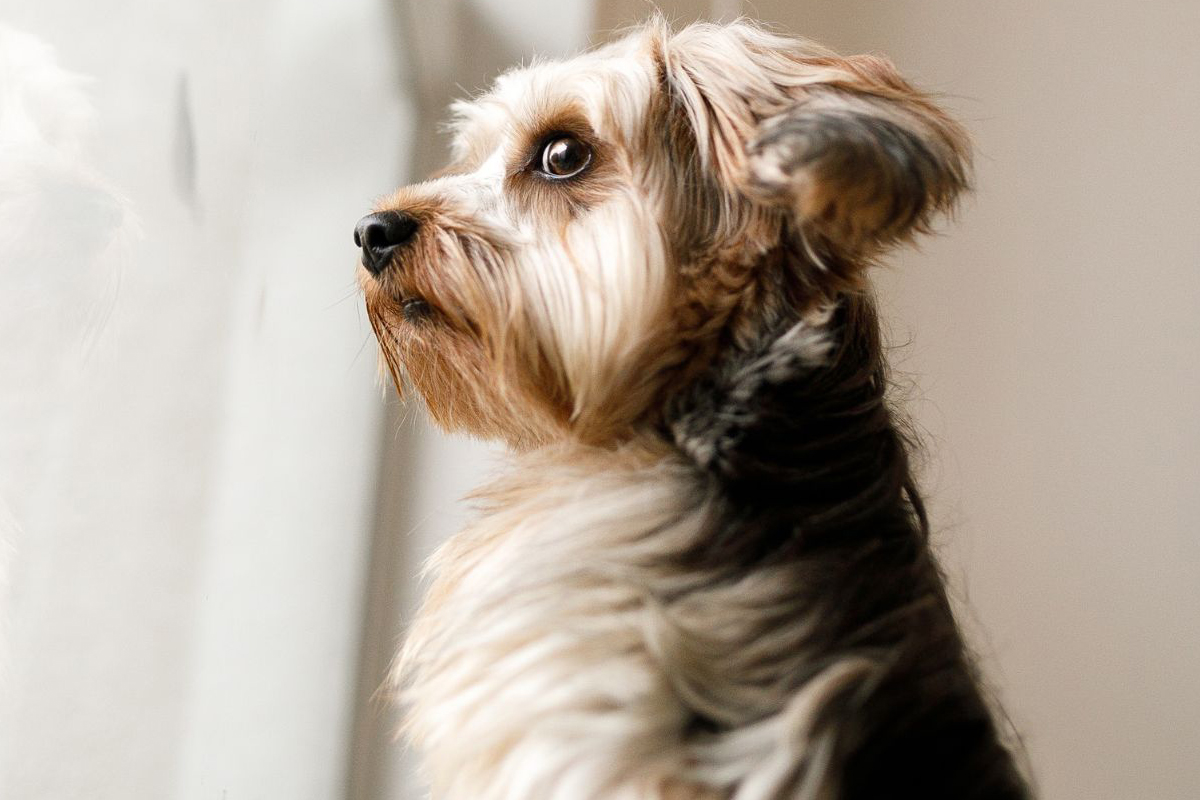
You walk out the door, and within minutes your dog starts whining, pacing, or barking. Maybe you come home to find chewed furniture, scratched doors, or signs of stress. If this sounds familiar, your dog may be struggling with separation anxiety — one of the most common and misunderstood behavioral challenges among pets.
At The DogHouse LLC, our family-owned dog training and boarding business has spent nearly 20 years helping dogs and their families in Pinellas County find calm and confidence. Whether your dog panics when you leave for work or simply gets uneasy when you’re out of sight, there are proven ways to ease their stress and build their independence.
1. Understand What Separation Anxiety Really Is
Separation anxiety isn’t “bad behavior” — it’s a sign of emotional distress. Dogs are pack animals, and being alone can trigger fear or confusion, especially if they haven’t learned how to handle solitude.
Common Signs of Separation Anxiety:
- Excessive barking or whining after you leave
- Destructive behavior (chewing, digging, scratching doors)
- Accidents in the house despite being potty trained
- Pacing, drooling, or shaking
- Clinginess or distress when you prepare to leave
Trainer’s Insight: These behaviors often stem from panic, not defiance. Recognizing the root cause is the first step toward helping your dog overcome it.
2. Keep Departures and Arrivals Calm
Dogs pick up on your emotions and routines. Overly dramatic goodbyes or excited greetings can heighten anxiety around comings and goings.
What to Do:
- Stay relaxed and casual when leaving.
- Avoid making eye contact or prolonging farewells.
- When you return, wait a few minutes before greeting your dog calmly.
Why It Works: This teaches your dog that departures and arrivals are no big deal — reducing emotional highs and lows that trigger anxiety.
3. Practice Gradual Desensitization
Don’t expect your dog to go from panicking when you leave the room to staying calm for hours. Gradual desensitization helps build tolerance slowly.
How to Train:
- Begin with short absences — even just stepping out of the room for a few seconds.
- Return before your dog shows signs of distress.
- Gradually increase the time away as your dog becomes more comfortable.
Trainer’s Tip: Pair your departures with something positive — like a treat or chew toy — to create a new association between alone time and reward.
4. Provide Mental and Physical Exercise
A tired dog is a calmer dog. Daily exercise, playtime, and mental stimulation can significantly reduce anxiety and restlessness.
Ideas That Work:
- Morning walks or play sessions before you leave.
- Puzzle feeders or slow-release treat toys.
- Basic obedience or scent-training games for mental focus.
At The DogHouse LLC: We often include structured exercise and enrichment in our training and boarding programs to help dogs release energy and develop balanced behavior.
5. Create a Safe, Comfortable Space
Giving your dog a designated area where they can feel secure helps reduce anxiety when you’re not home.
Try This:
- Set up a cozy crate or bed in a quiet, familiar room.
- Add toys, chews, and a blanket that smells like you.
- Keep lighting soft and temperature comfortable.
Why It Works: When your dog learns that this space is safe and peaceful, it becomes their “home base” for comfort and security.
6. Use Calming Tools and Aids
Some dogs benefit from gentle, non-invasive aids that promote relaxation.
Options to Consider:
- Calming music or white noise to mask outside sounds.
- Pheromone diffusers that mimic natural canine calming scents.
- Pressure wraps (like ThunderShirts) that provide steady comfort.
Trainer’s Note: While these tools can help, they work best when combined with consistent training and structure — not as standalone solutions.
7. Avoid Punishment or Harsh Corrections
Punishing a dog for destructive or anxious behavior often makes things worse. Your dog isn’t acting out — they’re reacting out of fear.
Better Approach:
- Stay patient and understanding.
- Focus on prevention and positive reinforcement.
- Reward calm behavior rather than punishing anxious moments.
Why It Works: Dogs learn best when they feel safe. Fear-based methods only deepen insecurity and can make anxiety more severe.
8. Try Short Practice Runs Before Long Absences
If you’re planning a trip or longer time away, start preparing in advance. Leave your dog for short, planned periods — increasing duration over time.
At The DogHouse LLC: We often recommend a short boarding or daycare session before an extended stay. It helps dogs practice independence in a structured, caring environment.
9. When to Seek Professional Help
If your dog’s anxiety seems severe or doesn’t improve with time, professional training can make all the difference. Trainers experienced in behavioral conditioning can identify triggers, build confidence, and teach your dog to self-soothe.
At The DogHouse LLC: Our family-run training programs are designed to support anxious dogs through personalized, positive methods that work in real homes — not just training environments.
Managing separation anxiety takes patience, consistency, and compassion. With structure, gradual exposure, and positive reinforcement, your dog can learn that alone time isn’t scary — it’s simply part of their day.
At The DogHouse LLC, we’ve helped families throughout Pinellas County bring balance and peace back to their homes with training that builds confidence, obedience, and trust.
If your dog struggles with separation anxiety, Contact us today to learn more about our behavior training and boarding programs tailored for anxious dogs.