


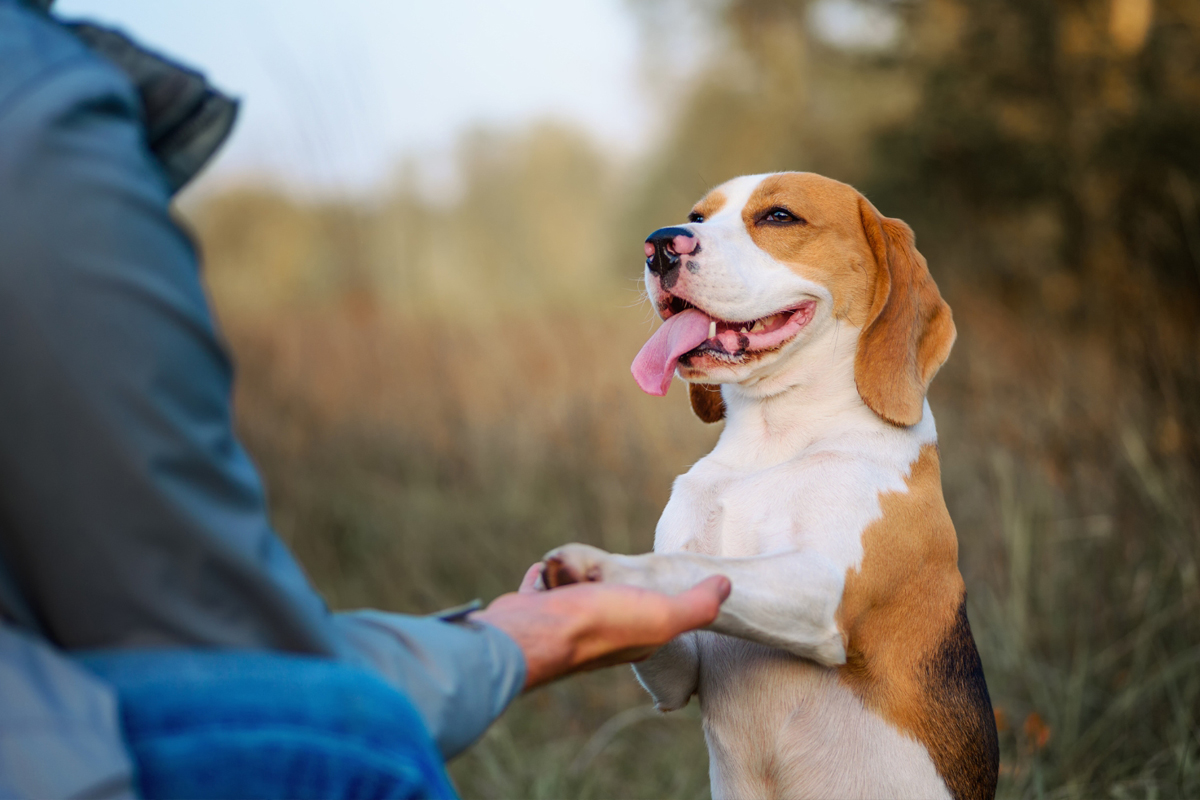
A well-trained dog doesn’t just follow commands — they understand boundaries, respect their family, and enjoy a happier, safer life. But achieving that level of obedience takes more than good intentions. It requires consistency, timing, and a little expert insight.
At The DogHouse LLC, our family-owned dog training and boarding business has spent nearly 20 years helping families in Pinellas County create calm, confident, and obedient dogs. Whether you’re training a puppy or refining an older dog’s manners, these obedience training tips will help you set your dog up for lasting success.
1. Be Consistent with Commands and Expectations
Dogs thrive on routine and repetition. If one family member says “off” while another says “down,” your dog may become confused.
Trainer’s Tip:
- Choose simple, consistent commands and make sure everyone in the household uses the same words and gestures.
- Enforce rules uniformly — if jumping on the couch isn’t allowed, it should never be allowed.
Why It Matters: Consistency builds trust. Your dog learns faster when expectations are clear and predictable.
2. Use Positive Reinforcement
Reward-based training encourages your dog to repeat the behaviors you want. Praise, treats, and affection are powerful motivators when used at the right time.
How to Apply It:
- Reward good behavior immediately — timing is key.
- Keep treats small and healthy to avoid overfeeding.
- Fade out food rewards gradually as your dog becomes more consistent.
At The DogHouse LLC: Our trainers specialize in balanced, reward-based techniques that build obedience through trust, not fear.
3. Keep Training Sessions Short and Engaging
Dogs, especially puppies, have limited attention spans. Long, repetitive sessions can lead to boredom or frustration.
Trainer’s Recommendation:
- Keep lessons around 10–15 minutes.
- End each session on a positive note.
- Incorporate short practice sessions throughout the day rather than one long one.
Why It Works: Frequent, upbeat training sessions help your dog retain commands and enjoy learning.
4. Practice in Real-Life Situations
Many dogs behave perfectly in the living room but lose focus in public or around distractions. The key is practicing obedience commands in different environments.
How to Train for the Real World:
- Start indoors, then move outdoors gradually.
- Practice “sit,” “stay,” and “come” in parks, near sidewalks, or around mild distractions.
- Increase difficulty slowly as your dog becomes more reliable.
Pro Tip: Reinforce calm behavior in stimulating settings — it builds focus and self-control.
5. Avoid Repeating Commands
If your dog doesn’t respond the first time, resist the urge to repeat the command over and over. Doing so teaches them that listening is optional.
What to Do Instead:
- Say the command once.
- Wait a few seconds and guide your dog into the correct behavior using a leash or hand signal.
- Reward once they respond correctly.
Why It Matters: Clear communication prevents confusion and helps your dog understand that commands are to be followed the first time.
6. Balance Correction with Encouragement
Gentle corrections can be useful when done appropriately, but they should always be paired with positive direction. The goal is to redirect, not punish.
Example: If your dog jumps, calmly say “off,” guide them down, and reward them for sitting calmly.
Why It Works: Balanced feedback teaches your dog right from wrong without creating fear or tension.
7. Make Training a Family Effort
Obedience training isn’t just the owner’s responsibility, it’s a household commitment. Everyone should participate to reinforce consistent behavior.
Family Training Tips:
- Involve kids in simple commands under supervision.
- Keep the same tone and expectations across family members.
- Celebrate progress together to keep motivation high.
At The DogHouse LLC: We often coach entire families during training sessions so the dog learns to respect and listen to everyone in the home.
8. Know When to Call in the Professionals
Even with dedication, some behaviors require expert help. Professional trainers can identify the cause of disobedience and create a tailored plan to correct it.
Signs It’s Time to Get Help:
- Persistent pulling, jumping, or barking
- Fearful or reactive behavior
- Difficulty with recall or impulse control
Why It’s Worth It: A skilled trainer can save you time, frustration, and help your dog reach their full potential.
Successful obedience training is built on patience, consistency, and clear communication. When you teach with structure and positivity, your dog will not only listen — they’ll look to you as a trusted leader.
At The DogHouse LLC, our family has spent nearly two decades helping local pet owners raise obedient, well-balanced dogs through personalized training and care. Whether it’s basic obedience, advanced off-leash control, or boarding and training programs, we’re here to help your dog become their best self.
Ready to strengthen your dog’s obedience and manners? Contact us today to schedule a training consultation with our expert team.