


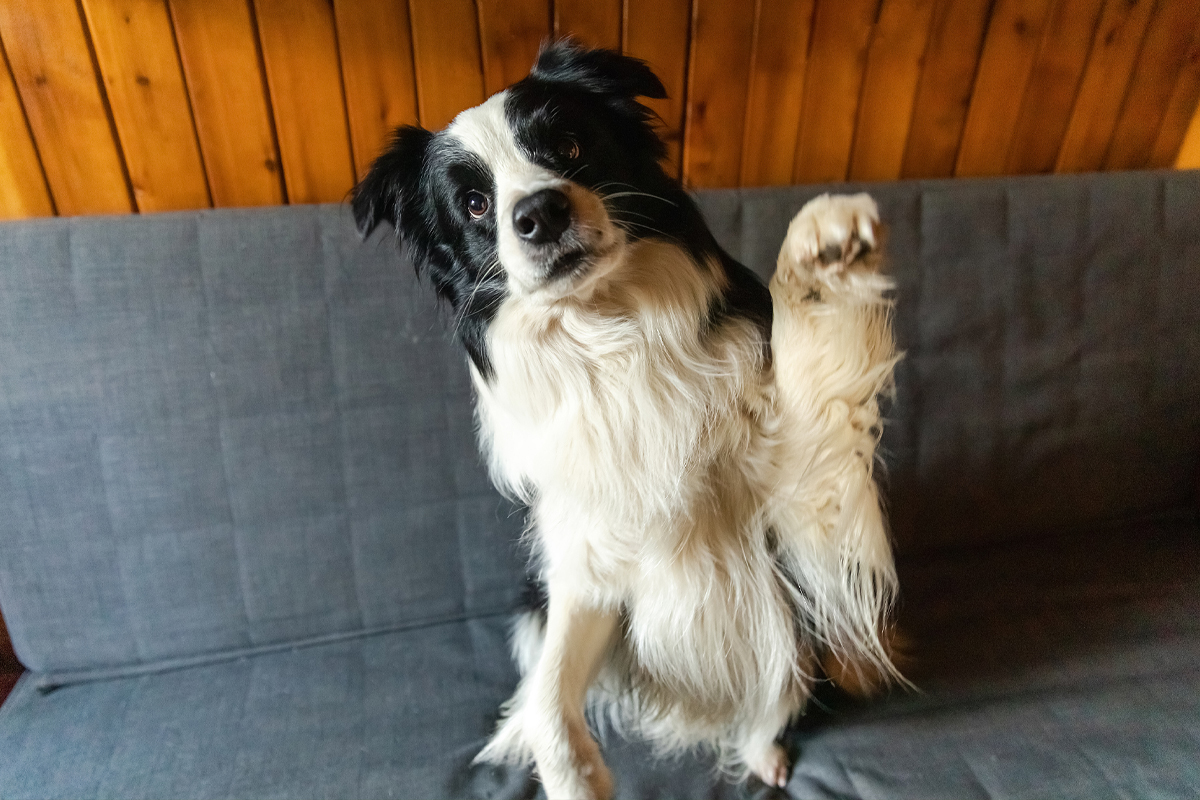
A respectful dog doesn’t appear by accident — they are shaped through leadership, consistency, and clear communication. Many dog owners worry that training must involve raised voices, physical force, or intimidation to produce obedience. Fortunately, that belief couldn’t be further from the truth.
At The DogHouse LLC, our family-owned dog training and boarding business has spent nearly 20 years helping Pinellas County dog owners raise well-mannered, confident dogs without fear-based methods. Respectful behavior doesn’t require harshness. It requires structure and a trustworthy human-dog relationship.
A respectful dog feels safe, understands expectations, and chooses good behavior willingly. That outcome is possible for every dog — without pain, intimidation, or emotional damage.
What Respectful Behavior Really Means
Many owners confuse obedience with fear. A respectful dog is not nervous, shut down, or afraid to move. Instead, a respectful dog:
-
responds when asked
-
offers calm behavior around guests
-
listens on leash and off
-
trusts their owner’s direction
-
settles peacefully in the home
Respect stems from clarity, not coercion.
Why Harsh Methods Backfire
Dogs trained through force often learn temporary compliance, not lasting behavior.
Harsh methods can cause:
-
fear of the owner
-
increased anxiety
-
damaged trust
-
shutdown behavior
-
aggression
-
avoidance
Owners want a dog who listens because they respect the relationship — not because they fear consequences.
Step 1: Be Clear and Consistent
Dogs do not thrive in chaos. When rules change depending on the day or household member, confusion grows and respect disappears.
Trainer’s Advice:
-
If jumping isn’t allowed on Monday, it isn’t allowed Friday.
-
If “sit” is required before meals, require it every meal.
-
If you call your dog, they should always come.
Consistency teaches dogs what behavior earns success.
Step 2: Reward Calm Choices
Many owners unintentionally reward unwanted excitement. A respectful dog learns that calm behavior creates good outcomes.
Reward What You Want:
-
quiet sitting before going outside
-
relaxed behavior around guests
-
polite waiting instead of demanding
Over time, the dog learns: calm behavior = freedom, praise, affection.
Step 3: Use Structure Instead of Chaos
Dogs are most respectful when routines are predictable. Structure builds confidence and prevents behavioral issues.
Examples of helpful structure:
-
crate training
-
set feeding times
-
predictable leash routines
-
daily obedience practice
-
rest periods throughout the day
Puppies and adult dogs alike thrive when they understand what comes next.
Step 4: Communicate Calmly and Confidently
Your energy shapes your dog’s energy. Yelling or frustration leads to stress and confusion.
Trainer’s Rule:
Deliver commands calmly and clearly.
Praise quietly.
Correct respectfully.
Your dog listens far better when your communication style is controlled, not emotional.
Step 5: Teach Boundaries Without Fear
Boundaries protect dogs — they don’t punish them.
Dogs should understand:
-
the door isn’t a free-for-all
-
the kitchen counter isn’t a buffet
-
the backyard isn’t unlimited freedom
Healthy boundaries reduce overstimulation and prevent dangerous habits. They build respect through guidance, not fear.
Step 6: Focus on Relationship, Not Domination
Domination-based training tells owners to “be the alpha,” but respect is not built through intimidation.
A strong relationship means:
-
you lead calmly
-
the dog trusts your decisions
-
obedience is a shared conversation
-
your dog feels secure under your guidance
Respect does not require overpowering a dog — it requires understanding them.
Step 7: Redirect Instead of Punish
Every “no” should be paired with a “do this instead.”
For example:
-
Jumping → sit
-
Barking → place
-
Pulling → heel
-
Counter surfing → settle
This teaches dogs the correct choice, not just what they did wrong.
Step 8: Make Obedience a Daily Lifestyle
Obedience should happen outside of training sessions.
Everyday habits build respectful dogs:
-
sit before meals
-
wait at doorways
-
walk calmly past distractions
-
settle while people eat
Routine skills create polite, respectful behavior that lasts.
Step 9: Socialize With Intention
A respectful dog is comfortable with the world around them. Socialization builds confidence, preventing future problems like reactivity, fear, or aggression.
Socialization Done Right:
-
slow and controlled
-
calm dogs only
-
neutral exposure, not excitement
-
quality over quantity
Overexposure can overwhelm puppies — balance matters.
Step 10: Ask for Attention, Not Perfection
A respectful dog doesn’t need to perform like a competition animal — they need to understand you and want to respond.
The goal:
reliable behavior in real-life scenarios.
Over time, respect becomes natural.
When Professional Training Helps
Some dogs struggle due to genetics, trauma, age, or lack of early structure. Professional training can bridge those gaps.
At The DogHouse LLC, we offer training programs that help dogs:
-
gain confidence
-
build polite manners
-
improve obedience
-
feel secure in their environment
These results are possible without harsh training methods.
Raising a respectful dog doesn’t require punishment or intimidation — it requires leadership, clarity, and calm guidance. When owners communicate clearly and reinforce good choices, dogs naturally choose respectful behavior.
At The DogHouse LLC, our family-owned training team has helped dogs and owners develop strong relationships built on trust, not fear. Respect comes from connection — and when a dog feels secure, obedience follows.
Ready to raise a respectful, confident dog? Contact us today to learn more about our training programs built on fairness, structure, and results.