

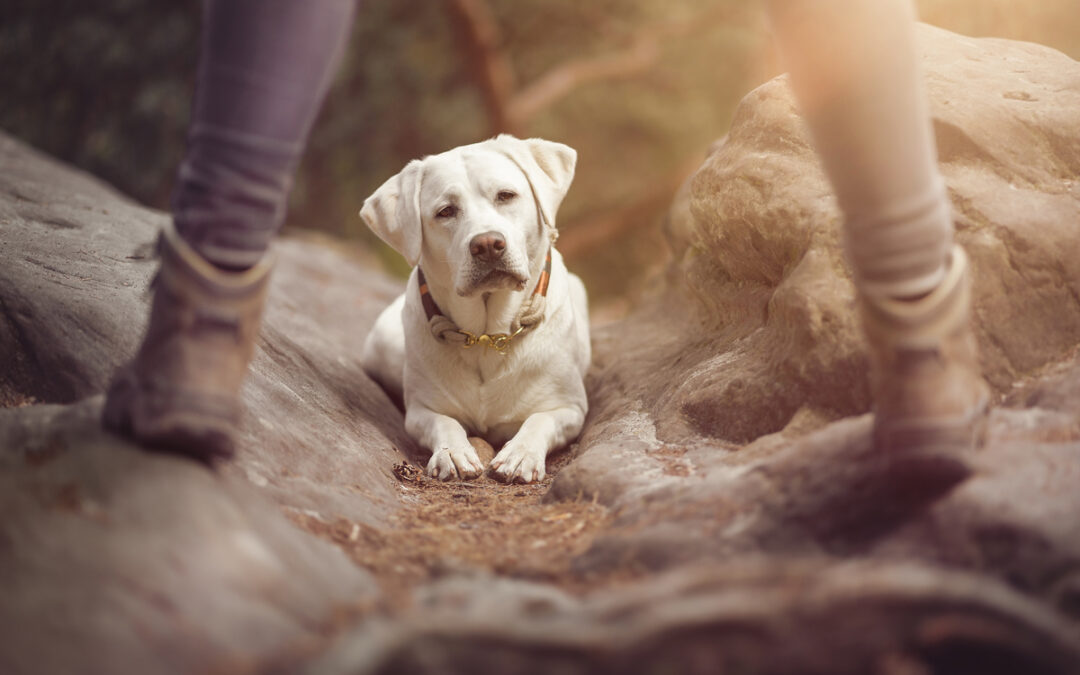
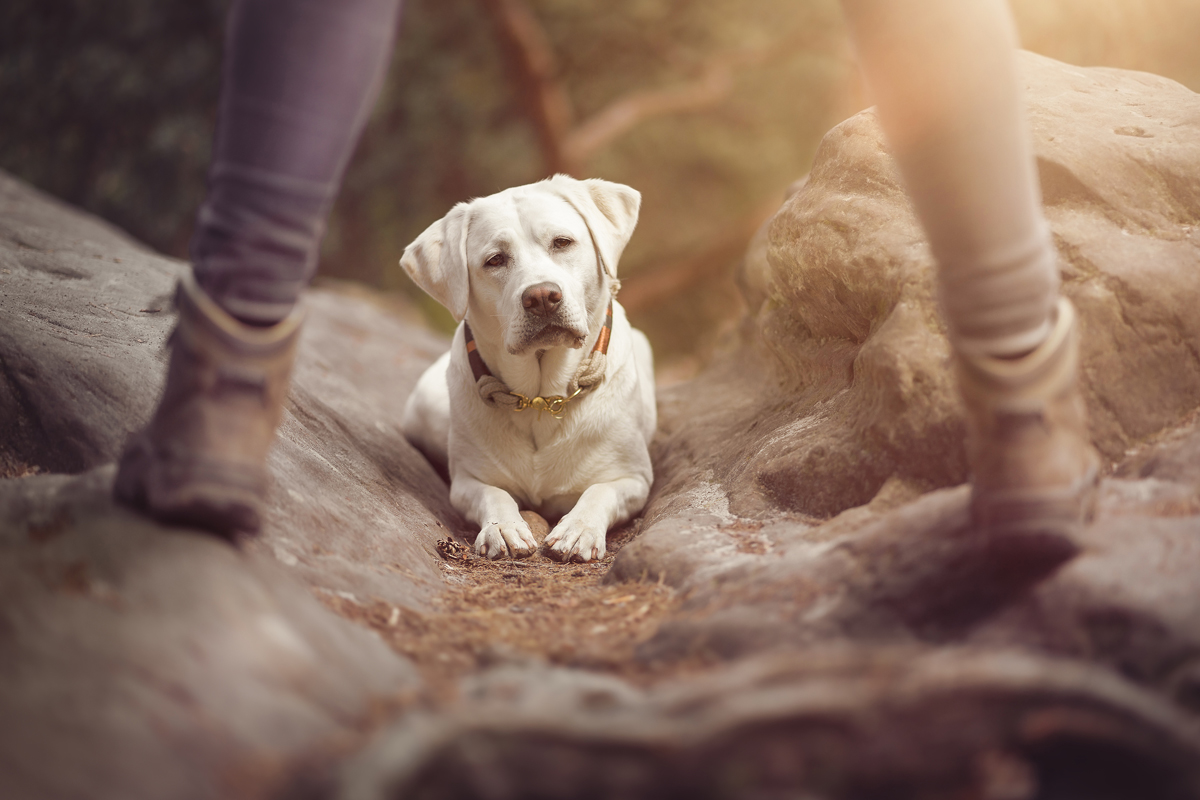
Patience is one of the most underrated — and most powerful — skills a dog can learn. Dogs that know how to wait make better choices, stay calmer under pressure, and respond more reliably in everyday situations. Waiting isn’t about suppressing behavior; it’s about teaching dogs how to pause, think, and regulate themselves.
At The DogHouse LLC, our family-owned dog training and boarding business has spent nearly 20 years helping dogs across Pinellas County develop real-world manners. One of the fastest ways we see behavior improve is by teaching dogs how to wait calmly instead of reacting impulsively.
Patience doesn’t come naturally to most dogs — it’s trained.
Why Waiting Is a Foundational Skill
Waiting teaches dogs that good things happen when they remain calm.
Dogs that understand waiting tend to:
-
show better impulse control
-
respond faster to commands
-
handle distractions more effectively
-
remain calmer in exciting situations
-
recover from stress more quickly
Waiting creates space between impulse and action — and that space is where better behavior lives.
Impulse Control Starts With the Pause
Most problem behaviors happen when dogs react without thinking.
Common examples include:
-
rushing through doors
-
pulling on the leash
-
jumping on people
-
grabbing food
-
barking excessively
Teaching a dog to pause before acting gives them time to process and choose a better response.
Why Waiting Builds Emotional Balance
Dogs that never practice waiting stay emotionally “on edge.”
Waiting teaches dogs how to:
-
tolerate frustration
-
manage excitement
-
remain present
-
settle themselves
This emotional balance carries over into all aspects of daily life.
Start Teaching Waiting in Low-Stress Moments
Waiting should be introduced when success is easy.
Ideal moments to practice include:
-
before meals
-
before exiting doors
-
before entering the car
-
before being released to play
When waiting becomes routine, dogs learn it as a normal expectation — not a punishment.
Use Waiting to Create Structure
Structure gives waiting purpose.
Simple routines that reinforce waiting include:
-
sit and wait before leash attachment
-
pause before crossing thresholds
-
waiting on place until released
-
waiting calmly while guests arrive
Structure turns waiting into a habit rather than a forced behavior.
Release Is Just as Important as the Wait
Waiting only works when dogs know when they’re allowed to move.
Clear release cues teach dogs:
-
when the wait is complete
-
when they’re allowed to act
-
that patience is temporary
This clarity prevents frustration and builds confidence.
Avoid Overusing Verbal Commands
Waiting doesn’t require constant talking.
Effective waiting training uses:
-
calm posture
-
minimal verbal cues
-
steady follow-through
-
consistent timing
Dogs learn patience faster when expectations are shown, not repeated verbally.
Waiting Reduces Anxiety
Many anxious behaviors stem from uncertainty and anticipation.
Waiting teaches dogs that:
-
they don’t need to rush
-
nothing bad happens when they pause
-
calm behavior is rewarded
Over time, dogs begin choosing patience on their own.
Teach Waiting Around Distractions Gradually
Once waiting is reliable in calm settings, distractions can be added.
Progress slowly through:
-
mild environmental changes
-
movement around the dog
-
people entering or exiting
-
other dogs at a distance
Rushing this step creates frustration. Patience is built incrementally.
Why Waiting Improves Obedience
Dogs that practice waiting become better listeners.
They learn to:
-
hold positions longer
-
respond more deliberately
-
stay focused under pressure
-
resist impulsive reactions
Waiting strengthens every other obedience command.
Don’t Confuse Waiting With Suppression
Waiting should feel calm — not tense.
Signs of healthy waiting include:
-
relaxed posture
-
steady breathing
-
soft eyes
-
minimal movement
If waiting creates stress, expectations may be unclear or too advanced.
Reward Calm Decision-Making
Reward moments when your dog chooses patience without being told.
Examples include:
-
sitting instead of jumping
-
waiting when excited
-
pausing before acting
These moments reinforce independent self-control.
Waiting Is a Life Skill, Not a Trick
Waiting isn’t something dogs perform — it’s something they become comfortable doing.
When patience is integrated into daily routines, dogs naturally develop:
-
better manners
-
stronger emotional regulation
-
improved responsiveness
-
calmer overall behavior
This leads to easier, safer, and more enjoyable companionship.
When Professional Training Helps
Some dogs struggle with patience due to:
-
high arousal levels
-
anxiety
-
lack of early structure
-
inconsistent expectations
Professional training provides guided environments where patience can be taught clearly and calmly.
At The DogHouse LLC, we use structured routines to help dogs learn how to wait confidently — without fear or force.
Teaching your dog to wait is one of the simplest ways to create better behavior. Patience builds impulse control, emotional balance, and reliable obedience that carries into every part of daily life.
At The DogHouse LLC, our family-owned training and boarding team believes calm behavior starts with the pause. When dogs learn how to wait, everything else becomes easier — for them and for you.
Ready to help your dog build patience and calm behavior at home? Contact us today to learn more about our professional dog training programs designed for real-world success.