

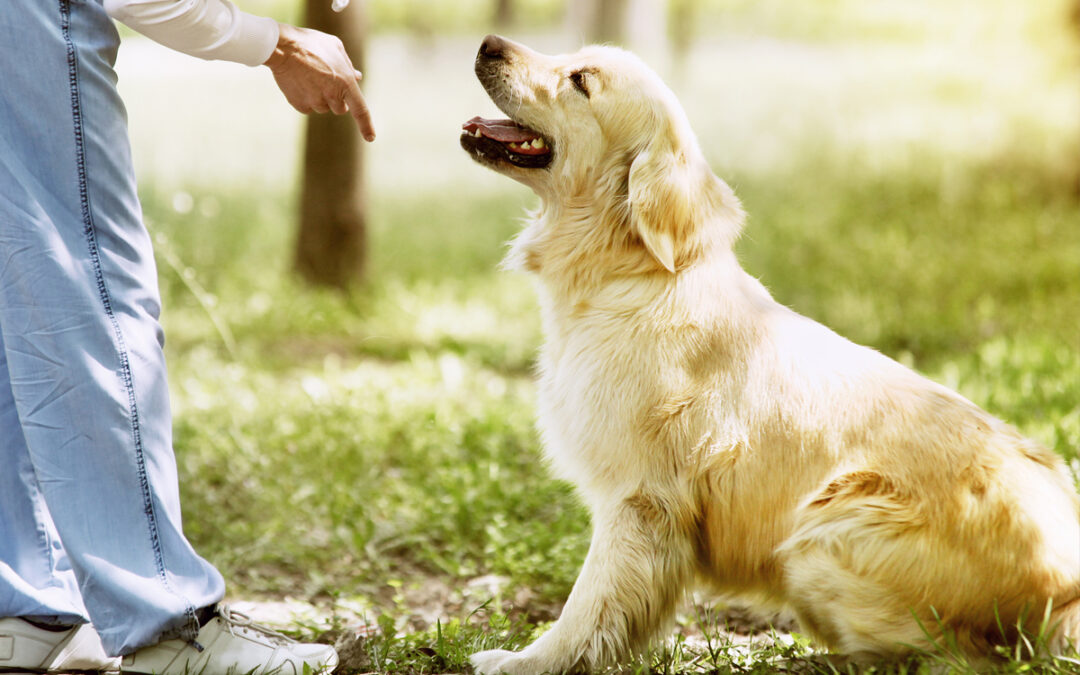
Many dogs perform beautifully in quiet, familiar settings — then fall apart the moment real life shows up. A dog who sits perfectly in the living room may ignore the same command when guests arrive, another dog passes by, or excitement spikes. This isn’t stubbornness or disobedience. It’s a lack of proofing under pressure.
At The DogHouse LLC, our family-owned dog training and boarding business has spent nearly 20 years helping dogs across Pinellas County develop reliable obedience that holds up in the real world. True training success isn’t measured by how a dog behaves when it’s easy, it’s measured by how well they follow through when it’s hard.
Teaching follow-through under pressure is what turns obedience into a dependable skill instead of a situational trick.
Why Dogs Struggle Under Pressure
Dogs don’t automatically generalize commands. Just because a dog understands “sit” at home doesn’t mean they understand it everywhere.
Pressure often comes from:
-
environmental distractions
-
emotional excitement or stress
-
unfamiliar people or animals
-
increased movement or noise
-
unclear leadership
When pressure rises, a dog’s ability to think drops — unless they’ve been trained to handle it.
Understanding the Gap Between Knowing and Doing
Most dogs know their commands. The problem is follow-through.
Trainer’s Insight:
A dog that understands a command but doesn’t comply under pressure hasn’t been taught accountability — not obedience.
This gap is common and fixable with structured training.
Step 1: Build Rock-Solid Reliability Without Distractions
Before adding pressure, the foundation must be solid.
Trainer’s Rule:
If your dog doesn’t respond consistently in a calm environment, they won’t respond under pressure.
Start by reinforcing:
-
clear commands
-
calm tone
-
consistent expectations
-
proper follow-through
Commands should be automatic before difficulty increases.
Step 2: Teach One Command, One Outcome
Dogs struggle when commands are repeated or optional.
Trainer’s Guidance:
-
Give the command once.
-
Pause and allow the dog to process.
-
Follow through calmly if needed.
-
Reward completion, not speed alone.
Repeating commands teaches dogs they can wait you out. Calm follow-through teaches reliability.
Step 3: Add Pressure Gradually
Pressure should never be introduced all at once.
Examples of gradual pressure:
-
movement in the room
-
toys on the floor
-
mild background noise
-
one controlled distraction at a time
This allows dogs to succeed while learning how to stay focused.
Step 4: Change the Environment, Not the Command
Dogs often fail because the environment changes — not because they forgot the command.
Practice commands in:
-
different rooms
-
the backyard
-
the driveway
-
quiet sidewalks
-
controlled public areas
Each new environment teaches the dog that obedience applies everywhere.
Step 5: Teach Dogs to Work Through Excitement
Excitement is one of the biggest causes of obedience breakdown.
Trainer’s Strategy:
-
ask for obedience before play, meals, or walks
-
reward calm responses, not frantic ones
-
interrupt excitement with structure (sit, down, place)
This teaches dogs to regulate emotions before acting.
Step 6: Practice Commands During Motion
Dogs often struggle to respond when movement is involved.
Incorporate:
-
sit during walking
-
down with movement around them
-
stay while you change positions
-
recall past distractions
Movement-based training builds real-world reliability.
Step 7: Reinforce Accountability Calmly
Accountability does not mean harsh correction.
It means:
-
the command matters
-
the dog must complete it
-
calm follow-through happens every time
Dogs respect leaders who are consistent and predictable — not emotional.
Step 8: Proof Commands One at a Time
Each command should be proofed individually.
Focus on:
-
sit under distraction
-
down with noise
-
place with guests
-
recall around movement
Trying to proof everything at once overwhelms the dog and slows progress.
Step 9: Teach Dogs to Pause Before Acting
Impulse control creates follow-through.
Helpful exercises include:
-
waiting at doorways
-
pausing before taking toys
-
sitting before leash clipping
-
holding position before release
Dogs that can pause can think — and thinking leads to obedience.
Step 10: Reward Follow-Through, Not Just Effort
Effort matters, but completion matters more.
Trainer’s Tip:
Only reward when the dog finishes the command — even if it takes a moment.
This teaches dogs that persistence leads to success.
Why This Training Builds Confidence
Dogs that can succeed under pressure feel more confident, not less.
They learn:
-
they can handle challenges
-
expectations remain clear
-
leadership stays consistent
Confident dogs follow through more willingly.
When Professional Training Helps
Some dogs struggle with pressure due to:
-
reactivity
-
impulsivity
-
inconsistent early training
-
lack of structure
Professional programs help dogs learn accountability in controlled, progressive environments.
At The DogHouse LLC, we specialize in proofing obedience so it works when it matters most.
True obedience isn’t about perfection in quiet spaces — it’s about follow-through when distractions, excitement, and pressure appear. Dogs who learn to respond under pressure become safer, calmer, and easier to live with.
At The DogHouse LLC, our family-owned dog training and boarding team helps dogs move beyond basic obedience into reliable, real-world behavior. With structure, consistency, and calm leadership, follow-through becomes second nature.
Ready to build reliable obedience that holds up under pressure? Contact us today to learn more about our professional training programs designed for real-world success.