


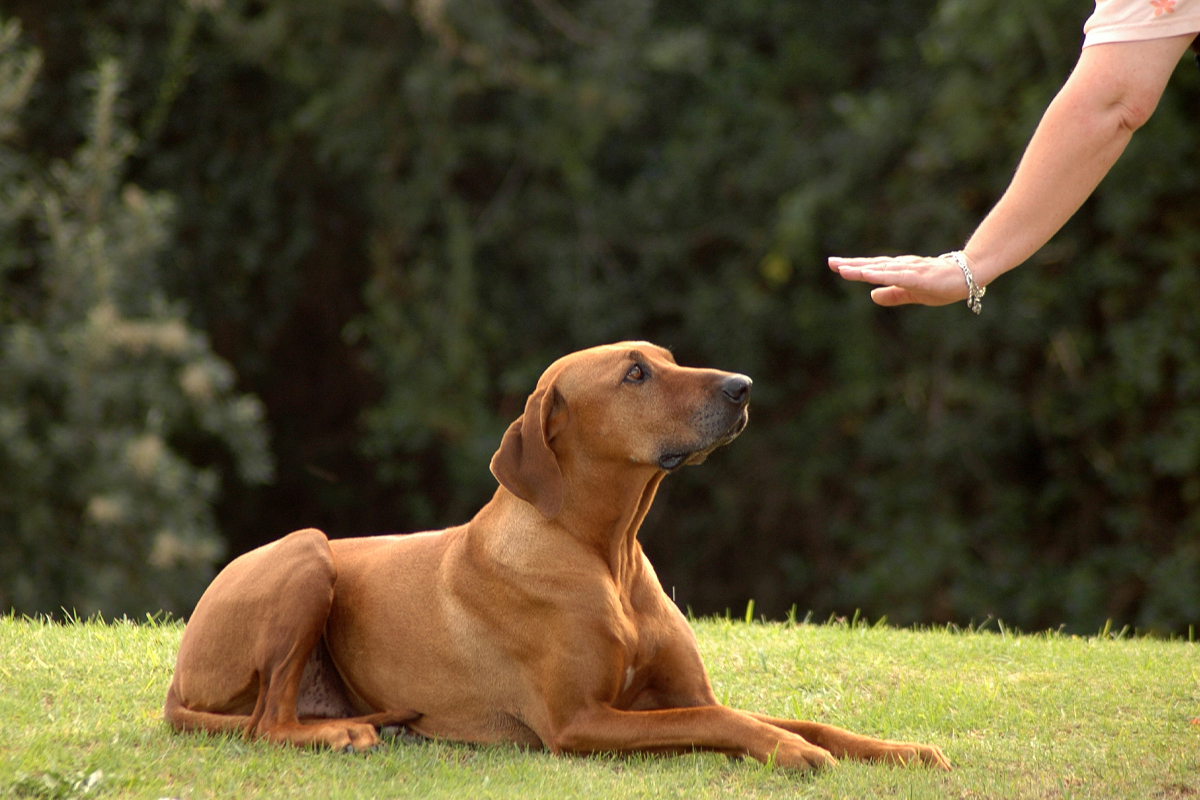
Boundary issues are one of the most common challenges dog owners face. Jumping on furniture, rushing doorways, crowding guests, pulling ahead on walks, or ignoring personal space are rarely signs of dominance or defiance. More often, they’re signs that boundaries were never clearly taught — or were enforced inconsistently.
At The DogHouse LLC, our family-owned dog training and boarding business has spent nearly 20 years helping dogs across Pinellas County learn polite, respectful behavior without harsh corrections or intimidation. Dogs don’t need fear or force to understand boundaries. They need clarity, consistency, and calm leadership.
When boundaries are taught correctly, dogs feel more secure — not restricted.
What Boundaries Mean to Dogs
Boundaries help dogs understand where they belong, what behavior is expected, and how to navigate their environment calmly.
Healthy boundaries teach dogs:
-
where they can and can’t go
-
how close is appropriate
-
when to wait and when to move
-
how to interact politely
Without boundaries, dogs are left to make decisions on their own — often leading to anxiety, pushiness, or overstimulation.
Why Fear and Force Backfire
Using intimidation, yelling, or physical corrections may stop behavior temporarily, but it doesn’t teach understanding.
Fear-based methods often result in:
-
anxiety and avoidance
-
suppressed behavior instead of learning
-
damaged trust
-
increased reactivity
-
unpredictable responses
Dogs trained through fear may comply briefly, but they don’t truly understand what’s expected of them.
Boundaries Create Safety, Not Restriction
Many owners worry that setting boundaries will make their dog unhappy. In reality, the opposite is true.
Dogs with clear boundaries are:
-
calmer indoors
-
more polite with guests
-
easier to manage in public
-
more responsive to commands
-
less anxious overall
Boundaries remove uncertainty, which allows dogs to relax and follow direction confidently.
Step 1: Decide the Rules First
Before teaching boundaries, owners must be clear on what is allowed and what isn’t.
Ask yourself:
-
Is the dog allowed on furniture?
-
Can the dog rush the door?
-
Should the dog follow you constantly?
-
Is jumping for attention acceptable?
Once rules are decided, they must remain consistent.
Step 2: Use Calm, Clear Direction
Dogs learn boundaries through guidance, not emotion.
Effective boundary communication includes:
-
steady tone
-
confident posture
-
minimal verbal repetition
-
calm follow-through
Your dog should understand what you want without being startled or intimidated.
Step 3: Teach “Place” and “Wait”
Two of the most powerful boundary-building commands are place and wait.
These commands teach dogs:
-
how to stay in one location
-
how to pause before acting
-
how to give space when needed
Place mats, beds, or designated areas give dogs clear physical boundaries they can succeed with.
Step 4: Control Access to High-Value Spaces
Boundaries are easiest to teach when access is earned.
Examples include:
-
waiting before going outside
-
sitting before entering vehicles
-
pausing before getting on furniture
-
walking calmly before leaving rooms
When access requires calm behavior, dogs naturally respect limits.
Step 5: Redirect Instead of Confront
When a boundary is crossed, redirection is more effective than confrontation.
Examples:
-
crowding → send to place
-
jumping → ask for sit
-
rushing → reset and wait
-
pushing for attention → ignore and reward calmness
This teaches dogs what to do, not just what not to do.
Step 6: Reinforce Calm Behavior
Dogs repeat what works.
Reward behaviors like:
-
settling quietly
-
choosing space on their own
-
waiting patiently
-
responding to direction
Calm reinforcement strengthens boundaries without pressure.
Step 7: Be Predictable, Not Emotional
Boundaries only work when enforced consistently.
Avoid:
-
enforcing rules only sometimes
-
changing expectations based on mood
-
reacting emotionally to mistakes
Predictable leadership builds trust. Emotional reactions create confusion.
Step 8: Teach Boundaries During Everyday Life
Boundaries shouldn’t exist only during training sessions.
Everyday moments matter:
-
greetings at the door
-
mealtime routines
-
walks through the house
-
interactions with children or guests
Daily repetition turns boundaries into habits.
Step 9: Respect Your Dog’s Communication
Teaching boundaries also means listening to your dog’s signals.
Respect signs like:
-
needing space
-
choosing to move away
-
calming behaviors
A dog that feels heard is more willing to respect boundaries in return.
Step 10: Boundaries Strengthen the Relationship
Boundaries aren’t about control — they’re about cooperation.
Dogs that understand boundaries:
-
trust their owners more
-
feel less pressure to manage situations
-
show better emotional balance
-
respond more reliably to commands
Clear leadership creates harmony, not conflict.
When Professional Training Helps
Some dogs struggle with boundaries due to:
-
inconsistent early handling
-
anxiety
-
overexcitement
-
lack of structure
-
previous fear-based training
Professional guidance can help reset expectations calmly and effectively.
At The DogHouse LLC, we specialize in teaching boundaries through structure, clarity, and respect — never fear or force.
Teaching your dog to respect boundaries doesn’t require intimidation or punishment. With calm direction, consistent routines, and clear expectations, dogs naturally learn where they belong and how to behave politely.
At The DogHouse LLC, our family-owned training and boarding team helps dogs and owners build respectful relationships rooted in trust, not fear. When boundaries are taught kindly, dogs thrive — and households become calmer, safer, and more enjoyable.
Ready to create clearer boundaries and calmer behavior at home? Contact us today to learn more about our professional training programs designed for lasting results.