

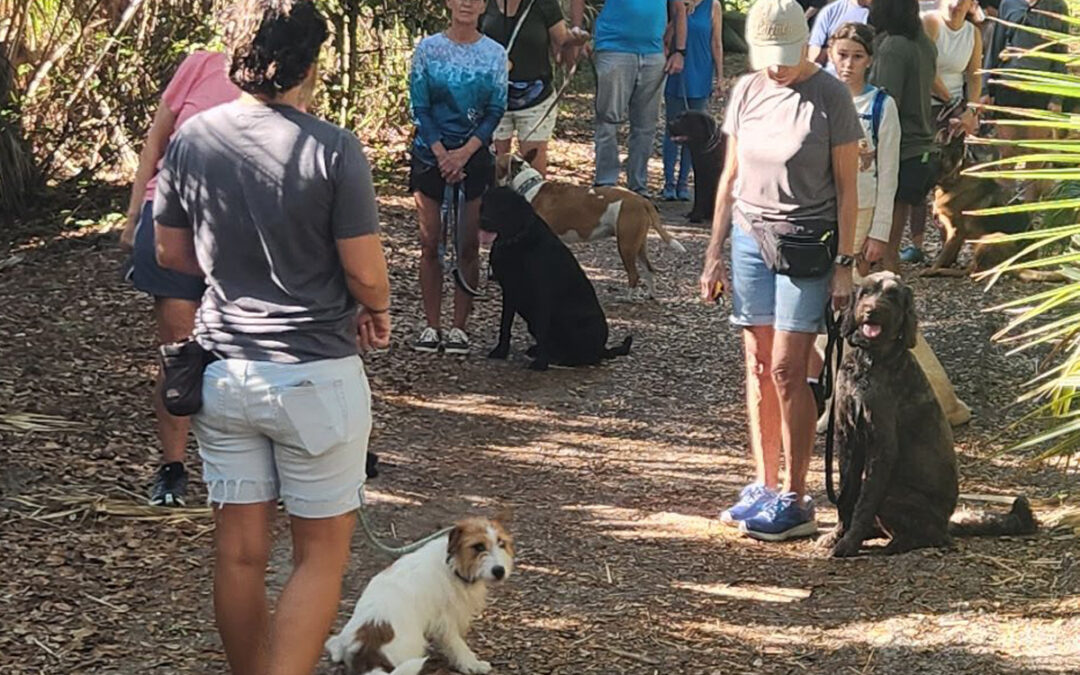
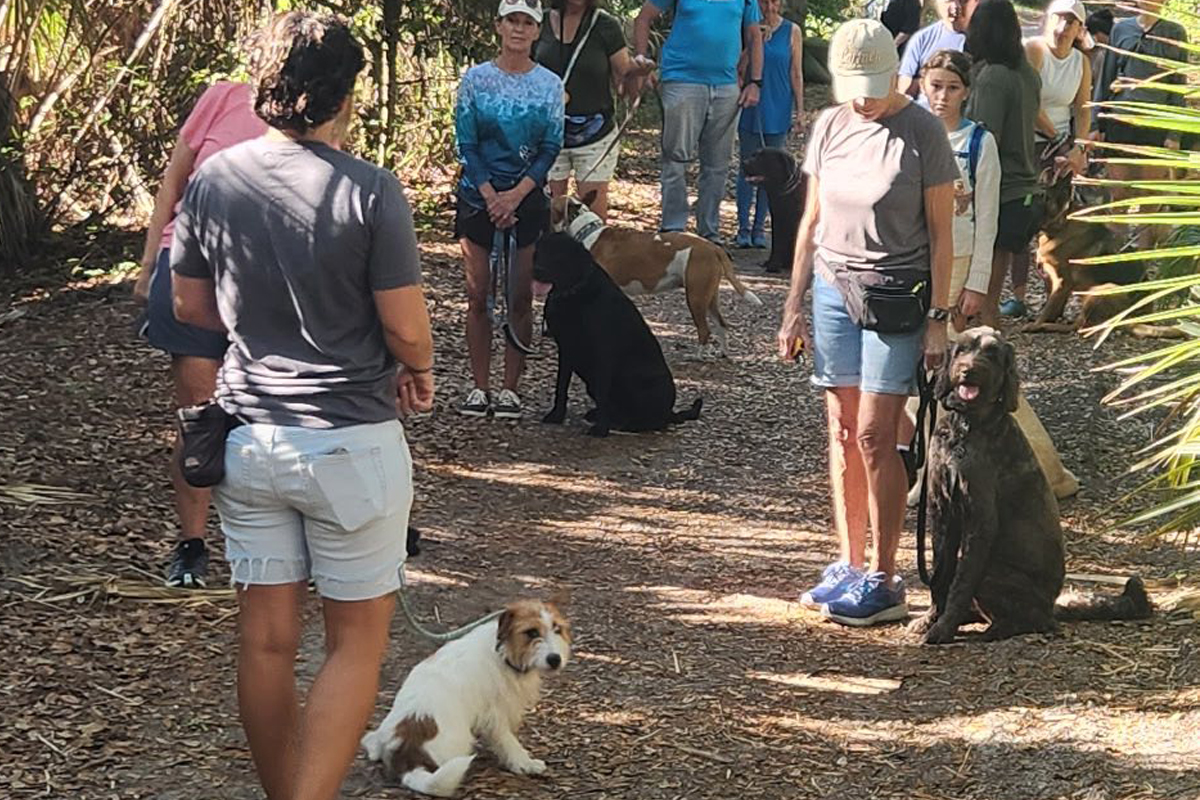
Some dogs can relax almost anywhere.
Others seem unable to turn off.
The moment there is movement, noise, people, or activity, they become:
- alert
- restless
- overly excited
- distracted
- reactive
- unable to settle down
For many owners, this becomes one of the most frustrating parts of daily life. The dog may do well at home in quiet moments, but as soon as the environment becomes busy, calmness disappears.
At The DogHouse LLC, our family-owned professional dog training and boarding business has spent nearly 20 years helping owners understand that settling in busy environments is not just a personality trait. It is a trained skill.
And like any skill, it has to be built step by step.
Settling Is More Than Just Lying Down
Many owners assume that if a dog can lie down, they know how to settle.
But settling is not simply a physical position. It is an emotional and mental state.
A dog may technically be lying down while still being:
- hyper-alert
- scanning the environment
- whining
- ready to spring up instantly
- emotionally overstimulated
True settling means the dog is able to remain calm, regulated, and disengaged from the activity around them.
That is a much deeper skill than just following a down command.
Busy Environments Raise Arousal Quickly
Busy environments ask a lot of dogs.
They may include:
- people walking by
- conversations
- children moving around
- doors opening and closing
- other dogs nearby
- traffic noises
- changing visual stimulation
For a dog that has not learned how to regulate their state, this kind of environment creates rising arousal.
And once arousal rises, calm behavior becomes much harder.
That is why many dogs seem fine in quiet places but fall apart when life gets busy.
Some Dogs Have Never Been Taught How to Relax
A surprising number of dogs have never really learned that calmness is expected.
They have learned how to:
- play
- move
- react
- seek attention
- stay busy
But they have not learned how to simply exist calmly while things happen around them.
This is especially common in dogs that are:
- highly energetic
- easily overstimulated
- rewarded for excitement
- rarely asked to hold still
- used to constant engagement
If calmness is never practiced, it will not appear on its own in challenging environments.
Calmness Must Be Built Before It Can Be Expected
One of the biggest mistakes owners make is expecting their dog to settle in a busy setting before they can reliably settle in an easy one.
A dog should first learn how to relax in:
- quiet rooms
- familiar spaces
- low-distraction settings
- calm routines at home
Only after that begins to look reliable should the dog be asked to do the same thing around increasing levels of activity.
Settling is built in layers.
If the dog cannot settle in a quiet environment, they will not suddenly succeed in a busy one.
Place Training Helps Create a Clear Job
One of the most effective ways to teach settling is through structured place work.
A place command gives the dog a clear task:
- go to a designated area
- remain there calmly
- hold position until released
This matters because many dogs settle better when they understand exactly what is expected.
Without a clear job, the dog may continue making their own decisions about the environment.
With place work, the message becomes simpler:
“You do not need to manage what is happening around you. Your job is to stay here and remain calm.”
That kind of clarity helps many dogs relax faster.
Duration Is Just as Important as Position
A dog may go to place or down easily at first. The real challenge is staying there calmly as time passes and stimulation continues.
This is where duration training becomes essential.
The dog needs repeated practice with:
- short calm holds
- slightly longer periods of stillness
- increasing amounts of movement around them
- longer stretches without needing constant correction
Duration teaches patience.
And patience is one of the core pieces of settling.
Reward Calm Before Excitement Builds
One of the best ways to teach a dog to settle is to notice calm moments early.
That means reinforcing:
- relaxed body posture
- soft breathing
- staying in place
- disengaging from distractions
- choosing stillness
If you wait until the dog is already over threshold, whining, pacing, or exploding with energy, the moment is much harder to influence.
Calm behavior should be reinforced before the dog becomes worked up.
This helps the dog understand what state of mind is being rewarded.
Do Not Practice Chaos and Expect Calm
Dogs learn from what they rehearse most.
If a dog spends most of their time:
- rushing to every sound
- following every movement
- reacting to every visitor
- demanding attention when stimulated
then those behaviors become their default.
That is why settling will not improve unless daily life is also structured to support it.
Owners often need to prevent repeated rehearsal of chaos by setting clearer boundaries around movement, greetings, noise, and transitions.
A dog cannot practice frenzy all day and still be expected to settle easily in busy environments.
Handler Calm Matters More Than Most Owners Realize
Dogs are extremely sensitive to human energy.
If the owner becomes:
- tense
- impatient
- repetitive
- reactive
- embarrassed in public
the dog often feels that pressure too.
Teaching a dog to settle requires the handler to stay calm, neutral, and predictable.
That does not mean passive. It means emotionally steady.
Calm leadership makes settling easier because the dog begins to feel that the environment is not something they need to manage.
Busy Environments Should Be Introduced Gradually
Once the dog is settling more reliably in lower-distraction spaces, it is time to begin controlled practice in busier environments.
That should happen gradually.
Start with places that are:
- mildly active
- not overwhelming
- easy to leave if needed
- structured enough for success
The goal is not to “test” the dog by throwing them into chaos.
The goal is to help them succeed just beyond their comfort zone, then build from there.
This is how calmness becomes portable.
Why Some Dogs Need More Structured Practice Than Others
Some dogs can learn settling fairly quickly. Others need much more repetition and structure.
Dogs that often need extra support include those that are:
- highly energetic
- adolescent
- reactive
- easily overstimulated
- emotionally impulsive
- inconsistent with place or duration work
These dogs usually benefit from more concentrated practice in environments where calmness can be built intentionally and reinforced often.
For them, settling is not just a command issue. It is a lifestyle skill that has to be developed over time.
What Progress Looks Like
As a dog gets better at settling in busy environments, owners often begin to notice:
- less pacing
- less scanning
- quicker recovery from stimulation
- more relaxed body language
- fewer attempts to break position
- better ability to disengage from activity
Progress may begin in small moments, but those moments add up.
The dog starts learning that activity around them does not require action from them.
That is a major shift.
Teaching your dog to settle in busy environments is not about forcing stillness. It is about building emotional control, clear structure, and the ability to stay calm when life feels stimulating.
Most dogs do not come with this skill automatically.
They learn it through:
- repetition
- place work
- duration
- calm reinforcement
- structured exposure
And once they do, everything gets easier — for the dog and for the owner.
Contact The DogHouse LLC to learn how structured professional training can help your dog develop the calm, reliable settling skills needed for real-life environments and everyday success.