


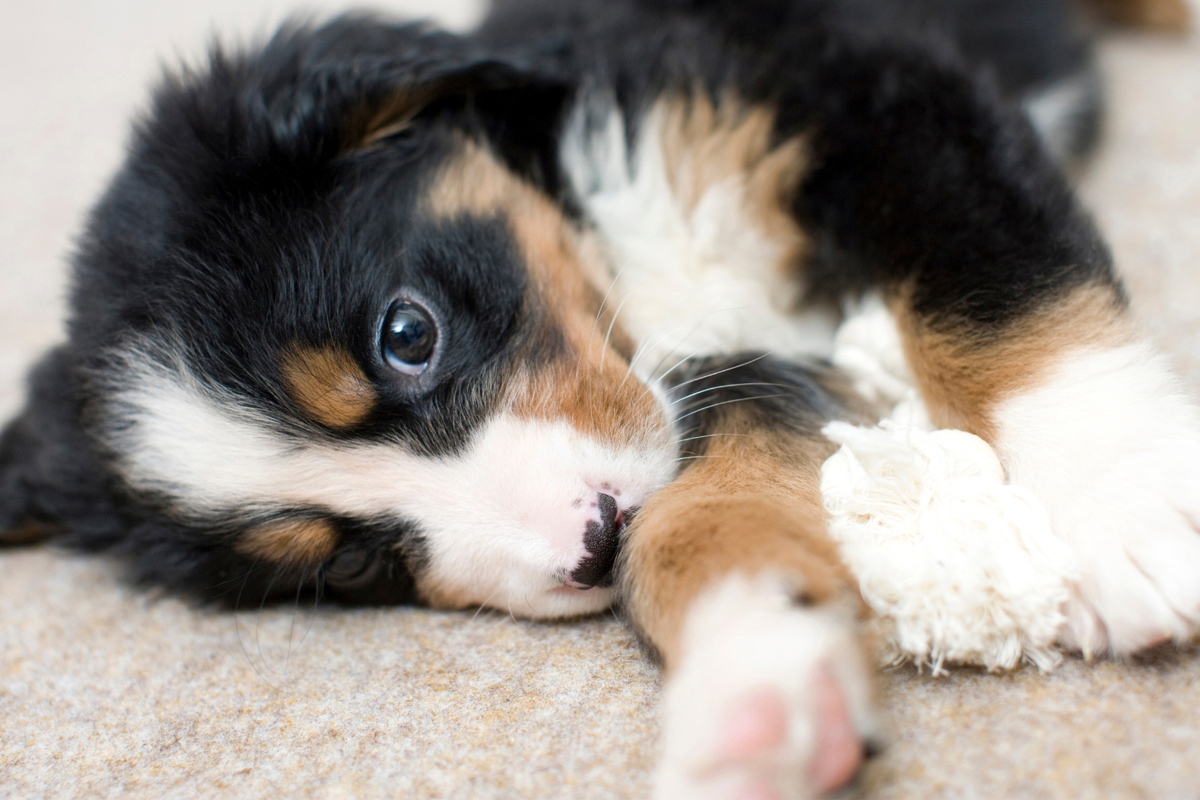
Bringing home a new puppy is one of the most exciting, and sometimes overwhelming experiences a pet parent can have. From housebreaking to chewing to teaching basic commands, there’s a lot to learn in those first few months.
At The DogHouse LLC, our family-owned business has been helping Florida families raise well-mannered dogs for nearly two decades. Our trainers specialize in turning puppy chaos into calm confidence through structure, patience, and positive reinforcement. Here, we’re answering the top puppy training questions we hear from owners just like you.
1. When Should I Start Training My Puppy?
Answer: Training should begin as soon as your puppy comes home, usually around 8 weeks old. Early training isn’t about strict commands; it’s about building trust and teaching simple structure.
Focus On:
- Potty training and crate introduction
- Basic commands like sit, stay, and come
- Positive exposure to people, places, and sounds
Why It Matters: Puppies are constantly learning from their environment. Early, gentle guidance helps prevent bad habits before they start.
2. How Long Should Each Training Session Be?
Answer: Keep sessions short and fun — about 5 to 10 minutes at a time. Puppies have limited attention spans, and shorter sessions help keep them engaged and successful.
Pro Tip: End on a positive note. A quick “sit” followed by praise and playtime helps your puppy associate training with fun, not frustration.
3. How Do I Stop My Puppy from Biting and Nipping?
Answer: Mouthing is a normal part of puppy development, but it should be managed early. When your puppy bites, calmly redirect their attention to an appropriate toy or chew. Avoid yelling or harsh corrections.
Trainer’s Tip:
- Say a firm “no bite” or “uh-uh,” then offer a toy.
- Stop play briefly if biting continues — this teaches that play ends when teeth touch skin.
Why It Works: Consistent redirection teaches your puppy self-control and bite inhibition — two key skills for social behavior.
4. What’s the Best Way to Potty Train a Puppy?
Answer: Potty training success depends on consistency and routine. Take your puppy out after meals, naps, and playtime — typically every 2–3 hours at first.
Tips for Success:
- Use the same potty spot each time.
- Reward your puppy immediately after they go outside.
- Supervise indoors and limit access to unsupervised areas.
Pro Tip: Crate training is one of the most effective ways to build bladder control and avoid accidents.
5. How Do I Get My Puppy to Walk Nicely on a Leash?
Answer: Start leash training indoors or in a quiet yard where distractions are minimal. Use treats and praise to reward walking beside you.
Trainer’s Advice:
- Keep sessions short and upbeat.
- Avoid pulling or dragging your puppy — this creates resistance.
- Reward loose-leash walking consistently.
Why It Works: Leash manners are built through repetition and positive reinforcement, not correction.
6. How Can I Prevent My Puppy from Jumping on People?
Answer: Puppies jump to get attention — and if they’re rewarded with eye contact or petting, they’ll keep doing it.
Correct Approach:
- Ignore jumping behavior completely.
- Reward calm sitting with praise or treats.
- Ask guests to do the same to maintain consistency.
Why It Works: Dogs learn that polite greetings earn rewards while jumping gets them nothing.
7. What If My Puppy Seems Shy or Fearful?
Answer: Shyness in young dogs is common, especially in new environments. Use calm, positive exposure to help your puppy build confidence.
Trainer’s Recommendation:
- Introduce new people and situations gradually.
- Pair experiences with treats or praise.
- Avoid forcing interaction — let your puppy approach at their own pace.
Why It Matters: Positive experiences in early socialization shape your puppy’s comfort level for life.
8. Should I Enroll in Professional Puppy Training?
Answer: Yes — even a few sessions with a professional trainer can make a major difference. Group classes help with socialization, while private lessons address specific issues like jumping, biting, or leash manners.
At The DogHouse LLC: We offer customized puppy training programs that build obedience, confidence, and strong communication between dogs and their owners.
Puppy training doesn’t have to be stressful, it just requires consistency, patience, and the right guidance. With a structured plan and expert support, you’ll raise a dog who listens, behaves, and fits beautifully into your family.