

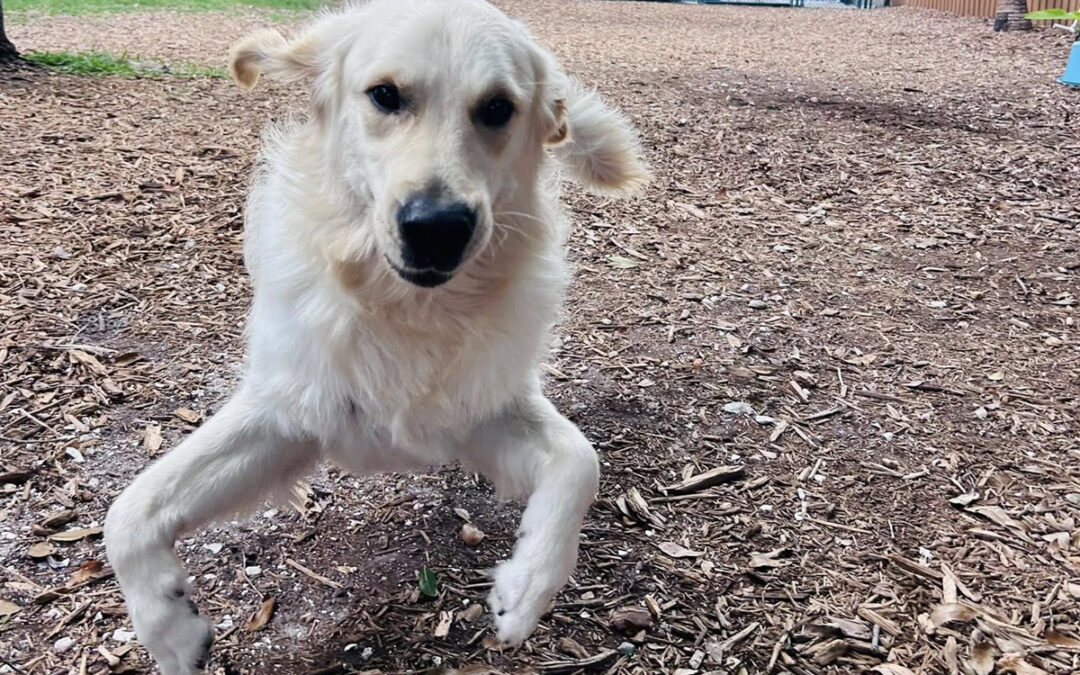
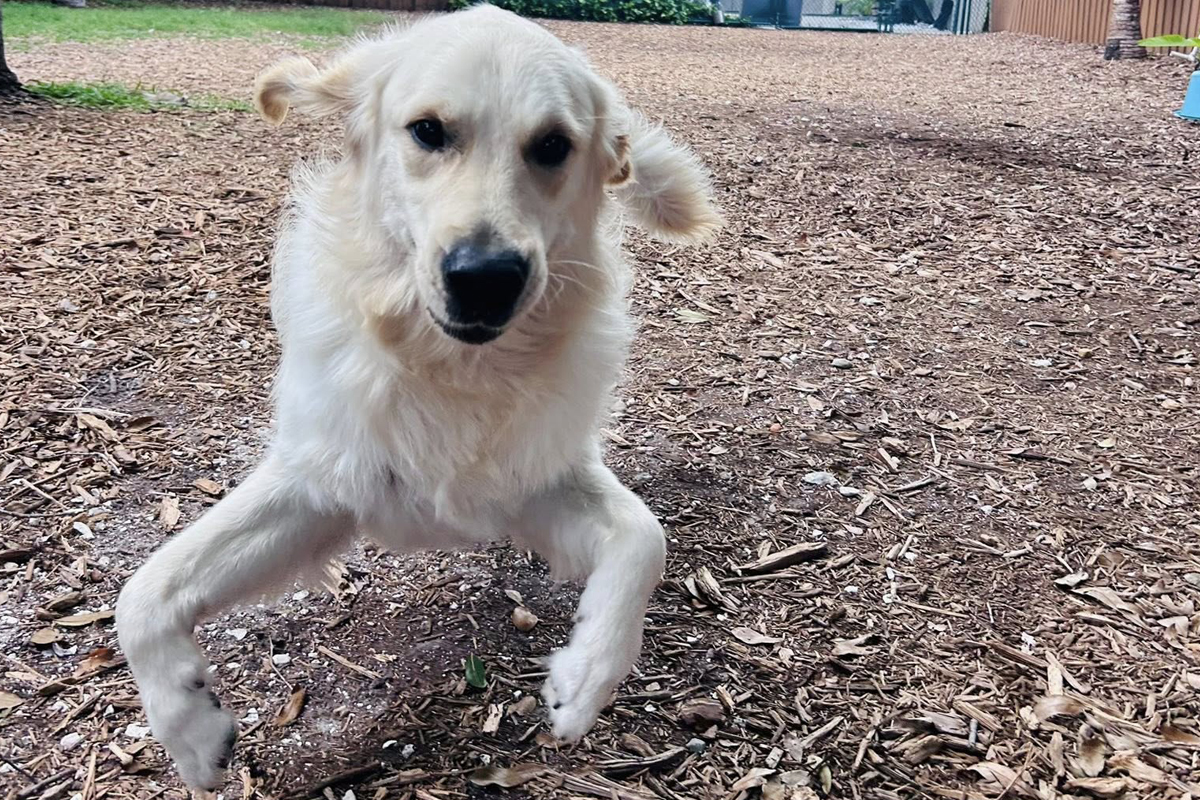
At home, your dog listens.
They sit.
They come when called.
They respond quickly and predictably.
Then you step outside, and it feels like you’re talking to a completely different dog.
Commands are ignored.
Focus disappears.
Distractions take over.
This is one of the most common frustrations dog owners face.
At The DogHouse LLC, our family-owned professional dog training and boarding business has helped countless families work through this exact issue.
The problem is not that your dog is ignoring you.
The problem is that the outside world is more powerful than your current level of training.
Outside Is a Different Environment Entirely
Your home is controlled and predictable.
Outside is the opposite.
Your dog is suddenly exposed to:
- New smells everywhere
- Other dogs and people
- Moving objects
- Unpredictable sounds
- Constant stimulation
Each of these distractions competes with you for your dog’s attention.
Without structured training, distractions win.
Commands Must Be Generalized
Dogs do not automatically apply commands across environments.
A dog that understands “come” in the living room has not necessarily learned “come” in the park.
This is called generalization.
Commands must be practiced in:
- Different locations
- Different levels of distraction
- Different emotional states
Until this happens, obedience remains situational.
Emotional Arousal Overrides Obedience
When your dog becomes excited or alert, their ability to respond decreases.
Higher arousal leads to:
- Slower responses
- Ignored commands
- Increased impulsivity
- Fixation on distractions
Your dog is not choosing to ignore you, they are overwhelmed.
Training must address emotional regulation, not just commands.
Stop Repeating Commands
One of the most common mistakes owners make is repeating commands when their dog does not respond.
“SIT… sit… SIT… come on, sit…”
This teaches the dog:
The first command is optional.
Instead:
- Give the command once
- Follow through calmly
- Reinforce or correct immediately
Clarity builds reliability.
Build Engagement First
If your dog is more interested in the environment than in you, obedience will always struggle.
Engagement must be trained.
This includes:
- Rewarding eye contact
- Reinforcing check-ins during walks
- Practicing focus exercises in low-distraction areas
- Gradually increasing difficulty
A dog that is engaged with you is easier to guide through distractions.
Increase Difficulty Gradually
Jumping from home training directly into busy environments sets most dogs up to fail.
Instead, build progression:
- Practice in quiet outdoor spaces
- Introduce mild distractions
- Increase difficulty gradually
- Reinforce success at each stage
Training should challenge your dog — not overwhelm them.
Avoid Letting the Dog Rehearse Ignoring You
Every time your dog ignores a command without consequence, the behavior strengthens.
From the dog’s perspective:
“I don’t have to respond here.”
Consistency matters.
Commands must be meaningful in every environment.
Use Distance to Your Advantage
If your dog is overwhelmed, increase distance from the distraction.
Distance lowers intensity and allows your dog to think.
Training can only happen when your dog is capable of focusing.
Managing distance is a key part of building reliability.
Why Structured Training Accelerates Progress
Some dogs require more consistent exposure and reinforcement than owners can realistically provide on their own.
Structured training environments help by:
- Practicing obedience daily
- Introducing distractions in a controlled way
- Reinforcing engagement consistently
- Preventing repeated failure
This creates faster, more reliable progress.
What Improvement Looks Like
As training improves, you’ll notice:
- Faster response times outdoors
- Less fixation on distractions
- More frequent check-ins
- Greater overall control
Your dog begins choosing you over the environment.
That is the goal.
If your dog ignores you outside, it’s not because they don’t know the command.
It’s because the environment is stronger than their current level of training.
With structured progression, consistent reinforcement, and clear expectations, dogs can learn to respond reliably anywhere.
The key is building focus before expecting perfection.
Contact The DogHouse LLC to learn how structured professional training can help your dog stay focused, responsive, and reliable — even in the most distracting environments.