

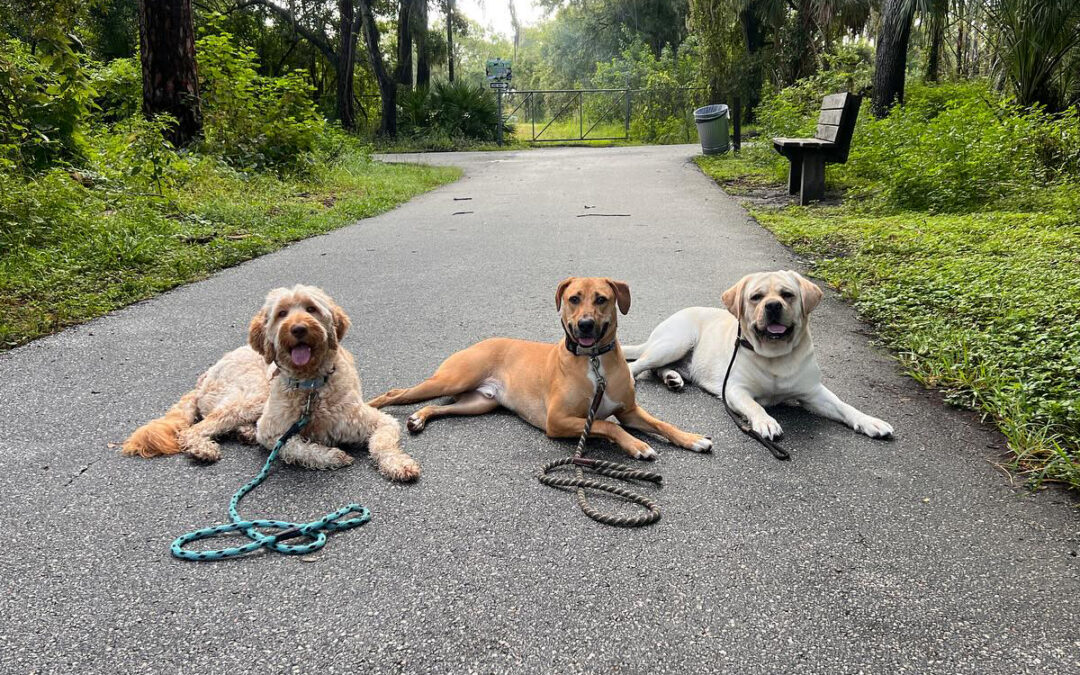
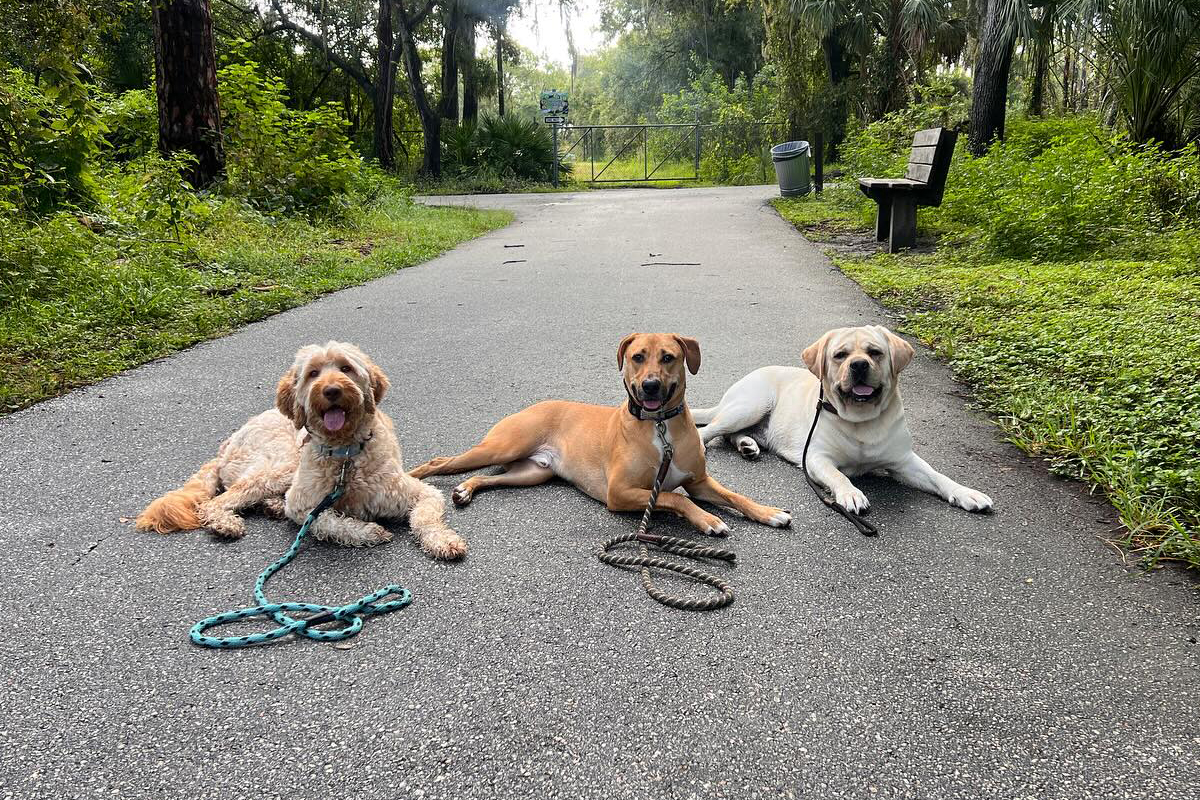
For many dog owners, walks are supposed to be one of the best parts of the day.
Fresh air.
Movement.
Time spent together.
But for some, walks become something entirely different.
Tension.
Frustration.
Embarrassment.
Instead of looking forward to going outside, you start to avoid it.
At The DogHouse LLC, our family-owned professional dog training and boarding business has worked with countless families who reached that point.
The good news is this:
Stressful walks are not permanent. They are usually the result of unclear structure — and that can be fixed.
Why Walks Become Stressful
Walk-related frustration rarely comes from one issue alone.
It’s usually a combination of behaviors such as:
- Constant leash pulling
- Lunging at other dogs
- Barking at people or movement
- Ignoring commands outdoors
- Overexcitement before leaving the house
These behaviors build on each other.
The more they are repeated, the more automatic they become.
The Walk Starts Before You Leave the House
One of the most overlooked factors is what happens before the walk begins.
If your dog is:
- Jumping when the leash comes out
- Racing toward the door
- Barking or whining with excitement
Then the walk has already started in an elevated emotional state.
That energy carries outside.
Teaching calm behavior before the leash goes on sets the tone for the entire walk.
Leash Tension Creates More Reactivity
Many owners unintentionally increase stress during walks.
Tightening the leash, reacting quickly, or bracing against pulling sends signals to the dog that something is wrong.
Dogs feel this tension immediately.
This can lead to:
- Increased pulling
- Heightened alertness
- More reactive behavior
Calm, controlled handling reduces escalation.
Distractions Overwhelm Unstructured Dogs
The outside world is full of stimulation:
- Other dogs
- People walking by
- Cars, bikes, and movement
- New smells and sounds
Without structured training, dogs try to process everything at once.
This often results in:
- Fixation
- Lunging
- Ignoring commands
- Emotional reactions
A dog that cannot manage stimulation will struggle to walk calmly.
Repetition Reinforces the Problem
Every walk where pulling or reacting is allowed reinforces the behavior.
From the dog’s perspective:
- Pulling gets them where they want to go
- Reacting creates space from triggers
- Ignoring commands has no consequence
Over time, these patterns strengthen.
Without intervention, walks typically become more stressful — not less.
Calm Walking Is a Skill
Loose leash walking is not automatic.
It must be taught through:
- Consistent reinforcement
- Clear expectations
- Immediate follow-through
- Repetition in different environments
Dogs must learn that staying calm and engaged leads to forward movement.
Structure replaces chaos.
The Role of Engagement
A dog that is focused on everything else will not focus on you.
Teaching engagement includes:
- Checking in during walks
- Responding to name cues
- Maintaining position on leash
- Disengaging from distractions
When engagement improves, reactivity decreases.
Focus is trained — not assumed.
Why Some Walks Improve Faster With Structure
When training becomes consistent and daily, progress accelerates.
Structured training environments help by:
- Reinforcing leash manners repeatedly
- Introducing distractions gradually
- Preventing rehearsal of unwanted behavior
- Building calm responses through repetition
Consistency changes habits faster than occasional correction.
What Enjoyable Walks Feel Like
When structure is in place, walks begin to feel different:
- The leash stays loose
- The dog checks in regularly
- Distractions are manageable
- Commands are followed the first time
- Movement feels calm instead of rushed
Walks become something you look forward to again.
If your walks feel stressful, it’s not because your dog is incapable.
It’s because the structure needed for calm behavior hasn’t been fully established yet.
With clear expectations, consistent reinforcement, and calm leadership, even the most challenging walks can improve.
Small changes in structure lead to big changes in experience.
Contact The DogHouse LLC to learn how structured professional training can turn stressful walks into calm, controlled, and enjoyable time with your dog.