


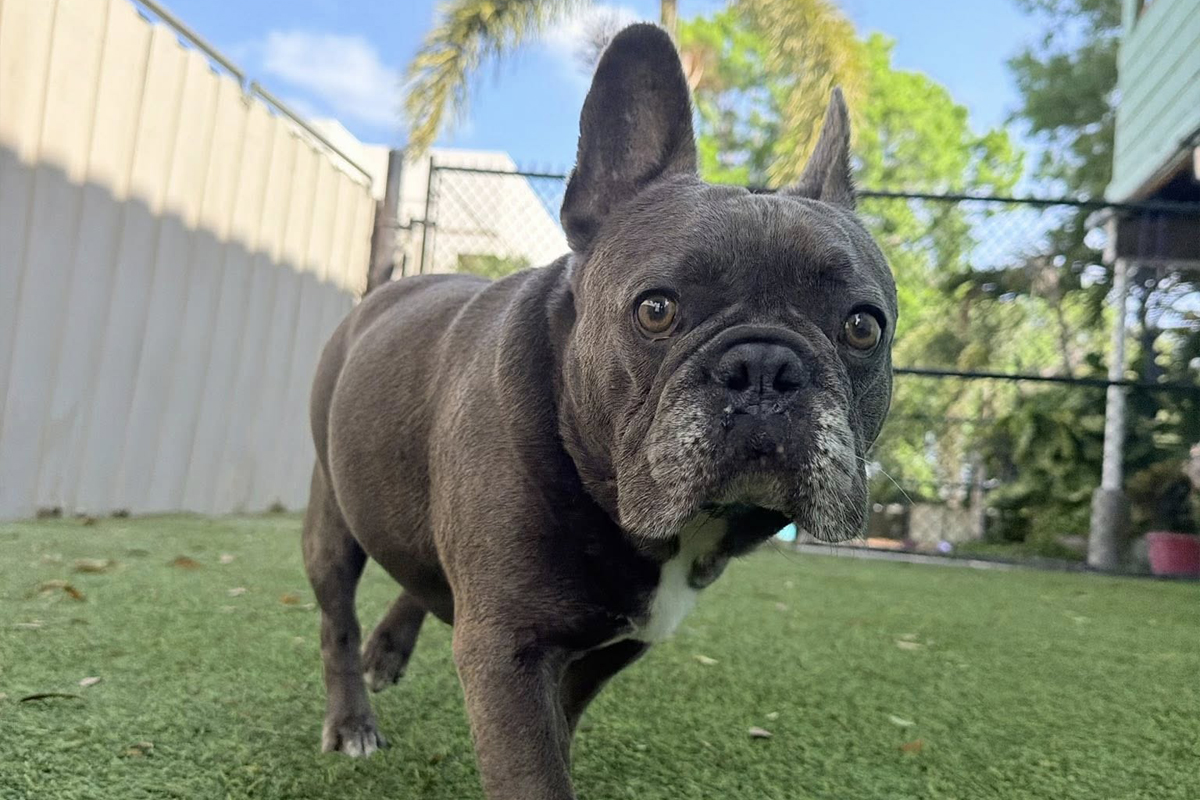
A lot of dog owners give freedom too early for good reasons.
They love their dog. They want the dog to feel comfortable in the home. They want to believe things are going well. If the dog seems sweet, playful, and mostly manageable, it feels natural to give more access, more space, and more independence. But in many homes, that early freedom becomes the exact thing that quietly creates bigger problems later.
What feels harmless in the beginning often turns into a pattern. The dog starts making more of their own decisions before they have the emotional stability, boundaries, or self-control to make good ones consistently. They rush through doorways, follow people constantly, react to every little sound, get too involved in greetings, hover around food, ignore transitions, and build habits that become harder to undo once they feel normal. That is why early freedom can be so misleading. It feels kind in the moment, but it often creates behavior issues that follow the dog into adolescence and adulthood. This is one of the reasons early structure matters so much for families working with The DogHouse LLC in Pinellas County, Florida.
Freedom Does Not Teach Self Control by Itself
One of the biggest misunderstandings in dog ownership is the idea that dogs naturally learn self-control from having more freedom.
In reality, many dogs do the opposite.
If a dog is given full access to the home, constant attention, loose boundaries, and too much decision-making too early, they often practice impulsive behavior instead of calm behavior. They learn to move first, react first, demand first, and insert themselves into everything. The problem is not that they are bad dogs. The problem is that they are being asked to manage more freedom than they are ready for.
That matters because self-control usually has to be built before freedom works well. If the order is reversed, the dog often becomes more emotionally busy, not more emotionally mature. They start living in a pattern of constant motion and constant reaction. Then owners are surprised when the dog seems harder to settle, harder to guide, and much more difficult to live with later on.
Early Habits Feel Small Until the Dog Grows Into Them
One of the reasons this issue is so common is because the early signs often do not feel serious enough at first.
A puppy following someone around seems cute. A young dog jumping into greetings can seem playful. A dog pushing into every room, reacting to sounds, or rushing through doors may feel manageable while they are still young, light, and easy to redirect. Owners often assume maturity will smooth those things out over time.
But many times, maturity does not fix the problem. It strengthens it.
The dog gets older, more confident, more practiced, and more committed to the same habit. What once looked small starts affecting everything. Now the dog is not just playful. They are pushy. Not just social. They are overwhelming. Not just alert. They are reactive. Not just attached. They are unable to settle without tracking every movement in the house.
That is the long-term cost of early freedom. The dog grows into patterns that should have been interrupted long before they started feeling normal.
Dogs Need Structure Before They Can Handle Space Well
I think this is one of the clearest truths in dog training.
Dogs usually handle freedom well after structure, not before it.
A dog that already knows how to wait, settle, respect space, move through transitions calmly, and remain emotionally steady has a much better chance of using freedom well. But a dog who has not yet learned those things often treats freedom as access to rehearse all their worst habits.
That can show up in all kinds of ways. Counter surfing. Hovering. Shadowing. Barking at windows. Reacting to doors. Interrupting guests. Guarding space or attention. Ignoring quiet time. Getting too emotionally involved in every little event in the home.
From the owner’s point of view, these can seem like separate issues. But often they all come back to the same starting point. The dog was given too much access before they had the structure to handle that access well.
Emotional Freedom Can Be Just as Damaging as Physical Freedom
A lot of people think of freedom only in physical terms.
Can the dog roam the house? Sleep anywhere? Move wherever they want? But emotional freedom matters too. A dog can also be given too much emotional freedom when they are allowed to react to everything, involve themselves in every moment, and live in a constant state of emotional participation without enough interruption.
That kind of freedom often creates a dog that never truly settles.
They watch everything. Follow everyone. Pop up at every sound. Need to be in the middle of every interaction. They do not know how to switch off because the home has taught them that being “on” all the time is normal.
This is one of the biggest reasons early freedom creates long-term problems. The dog is not only learning where they can go. They are learning how they are allowed to feel and move through everyday life. If the answer is “any way they want,” that usually does not create the kind of stable adult dog most owners hoped for.
Boundaries Make Dogs Clearer, Not Less Loved
Some owners hesitate to give structure early because they worry it feels unfair.
They do not want to be too strict. They do not want to take away comfort or affection. But structure is not the opposite of love. In many cases, it is what makes love more useful to the dog.
Boundaries give clarity.
They teach the dog what greetings should look like. What calmness means. What happens at doors. What waiting feels like. How to settle. How to live alongside people instead of emotionally on top of them. Dogs often relax more when that clarity is present because they are no longer trying to manage the whole home through instinct and impulse.
That is why I think early structure is one of the kindest things owners can provide. It does not limit the relationship. It strengthens it. It helps the dog grow into a companion who can handle freedom later, rather than a dog who keeps making poor choices because no one slowed those patterns down early enough.
Long Term Problems Often Begin in Daily Routines
One of the most important things owners can understand is that long-term problems usually do not begin during dramatic moments.
They begin in routine.
They begin in how the dog exits the crate, greets people, waits for food, moves through the house, responds to doors, handles quiet time, and reacts to ordinary movement. These are the small moments where early freedom either gets limited by structure or reinforced into a habit.
If the routine teaches waiting, settling, boundaries, and patience, the dog starts building those habits early. If the routine teaches rushing, reacting, hovering, and impulsive access, then those become the foundation instead.
That is why daily life matters so much. Owners often think they are just getting through the day, but the dog is learning from every version of that day.
Board-and-Train Can Help Reset the Patterns Early
This is one of the reasons board-and-train can be so valuable when a young dog is already starting to show the effects of too much early freedom.
A strong program helps interrupt the habits before they become even more ingrained. Better place work. Better transitions. Better settling. Better greetings. Better boundaries. Better emotional control in the house and around everyday routines. Instead of letting the dog keep rehearsing impulsive access, the work begins to build structure in a much more consistent way.
That can make a huge difference.
Because the earlier those patterns are reset, the easier it is for the dog to grow into a calmer, clearer adult. Waiting until the dog is older often means trying to undo habits that have already had a long time to become normal.
Early freedom creates long-term problems because dogs often do not use freedom to become calmer. They use it to practice whatever habits feel easiest and most rewarding in the moment.
Without enough structure, those habits often turn into the very behaviors owners later find stressful, frustrating, or hard to change. What starts as harmless access often becomes rushing, reacting, hovering, ignoring boundaries, and struggling to settle in everyday life.
That is why early structure matters so much.
From my perspective, the goal is not to keep a dog restricted forever. It is to help them earn freedom in a way that supports long-term calmness, better choices, and a much easier life together later on.
Contact The DogHouse LLC to learn how a structured board-and-train program can help your dog build better habits early and prevent the long-term problems that often come from too much freedom too soon.