


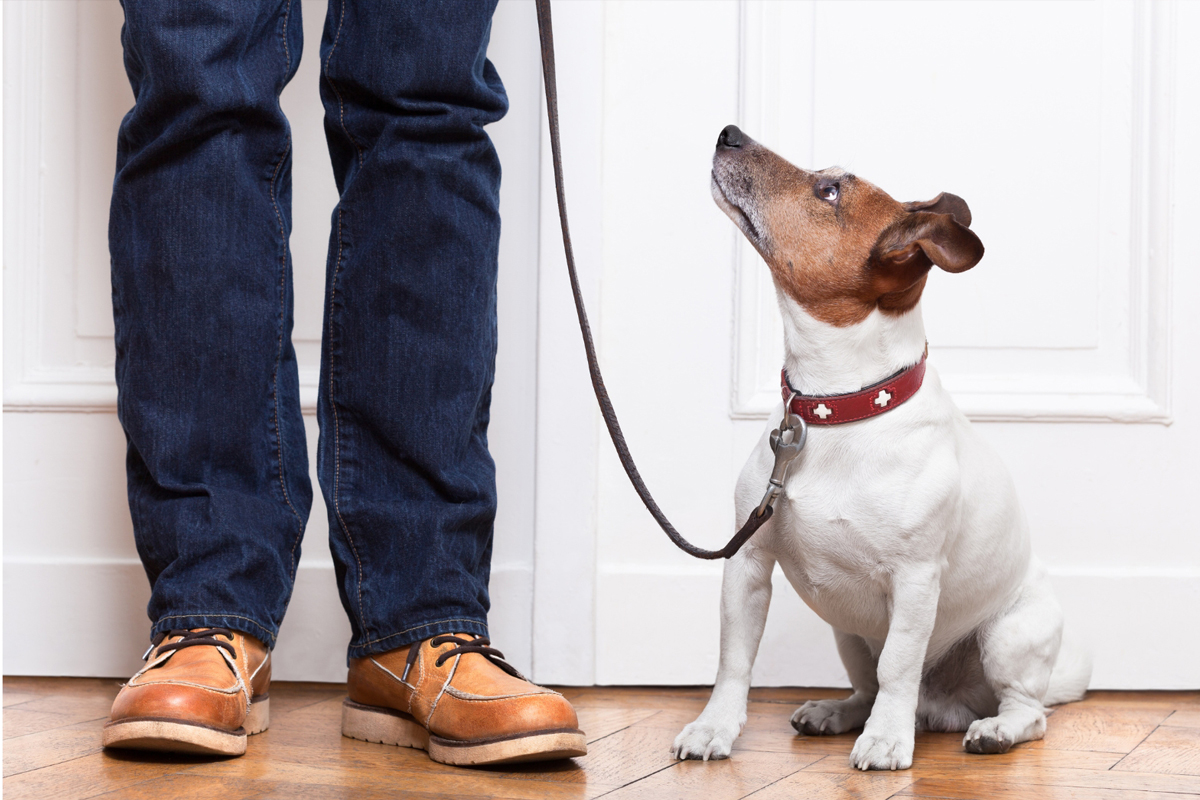
Many dog owners believe training success depends on finding the right command or repeating it more clearly. In reality, dogs don’t process language the way humans do. They respond to movement, posture, timing, and energy long before they register words.
At The DogHouse LLC, our family-owned dog training and boarding business has spent nearly 20 years helping dogs and owners communicate more effectively. One of the most common breakthroughs we see happens when owners stop talking more, and start moving with intention.
Your dog is always watching you. Long before they hear what you say, they feel how you stand, move, and react. Body language is your dog’s first language, and mastering it changes everything.
Dogs Are Visual and Physical Learners
Dogs evolved to read physical cues, not spoken language. In the wild, dogs rely on posture, eye contact, movement, and spatial pressure to communicate.
This means dogs naturally respond to:
-
how you stand
-
where you move
-
how fast or slow you act
-
whether your body is tense or relaxed
-
how consistently your movements repeat
Words are secondary. Body language sets the tone.
Why Words Often Fail Without Matching Movement
Many obedience problems happen because words and body language don’t match.
Common examples include:
-
saying “stay” while leaning forward
-
calling “come” while stepping backward nervously
-
asking for calm while moving quickly
-
repeating commands without changing posture
To a dog, these mixed signals are confusing. When body language contradicts words, dogs follow the body — not the voice.
Calm Posture Creates Calm Behavior
Dogs mirror energy instantly. If your posture is tight, rushed, or reactive, your dog feels it and responds accordingly.
Calm posture includes:
-
upright but relaxed stance
-
slow, deliberate movement
-
steady breathing
-
minimal gesturing
This communicates confidence and safety, which allows dogs to relax and listen.
At The DogHouse LLC, we often see leash issues improve simply by adjusting how an owner stands and walks.
Movement Communicates Direction
Dogs read motion as instruction.
For example:
-
stepping into a dog’s space gently encourages them to move
-
turning your body sideways reduces pressure
-
slowing your pace signals calm
-
stopping movement signals pause or reset
Effective training uses movement intentionally, not accidentally.
Spatial Awareness Shapes Respect
Dogs understand space instinctively. Owners who control space communicate leadership without force.
Teaching spatial respect includes:
-
guiding dogs away calmly instead of pushing
-
controlling access to doorways
-
leading movement through rooms
-
stepping into space instead of reaching with hands
Dogs respond faster to spatial cues than verbal correction.
Eye Contact and Focus
Eye contact can either calm or excite a dog depending on how it’s used.
Helpful eye contact is:
-
brief
-
neutral
-
paired with still posture
Unhelpful eye contact includes:
-
staring during corrections
-
intense focus when a dog is overstimulated
-
emotional expressions
Your dog reads facial expression before tone.
Leash Handling Is Body Language
The leash is an extension of your body language.
Dogs feel:
-
tension through your hands
-
hesitation through your pace
-
confidence through steady movement
Pulling often starts because the owner’s posture and leash tension communicate uncertainty. Calm, forward motion communicates leadership.
Tone Supports Body Language — It Doesn’t Lead It
Tone matters, but it works best when it reinforces body language.
Effective tone is:
-
calm
-
consistent
-
unemotional
When tone tries to replace movement, training slows. When tone supports posture and motion, obedience improves.
Why Repeating Commands Fails
Repeating words without changing body language teaches dogs to tune you out.
Instead of repeating:
-
pause
-
adjust posture
-
guide movement
-
follow through calmly
Dogs respond to action, not volume.
Teaching Dogs Through Stillness
One of the most powerful training tools is stillness.
Stillness teaches dogs:
-
patience
-
impulse control
-
emotional regulation
Standing calmly without talking often resets a dog faster than verbal correction.
Body Language Builds Trust
Dogs trust what feels predictable.
Consistent body language teaches dogs:
-
what to expect
-
when to relax
-
when to respond
-
how to follow
Unpredictable movement creates anxiety. Calm repetition builds confidence.
Everyday Moments Are Training Opportunities
Body language training happens constantly.
Daily examples include:
-
how you move through doorways
-
how you approach the leash
-
how you greet your dog
-
how you respond to excitement
Dogs learn from your habits — not your explanations.
When Professional Guidance Helps
Some owners struggle because they’ve never been taught how to use body language intentionally.
Professional training helps owners:
-
read dog signals
-
move with clarity
-
reduce verbal dependency
-
communicate calmly
At The DogHouse LLC, we train both dogs and owners to speak the same physical language.
Dogs don’t ignore commands because they’re stubborn — they ignore them because they’re following the strongest signal available. Most of the time, that signal is body language, not words.
At The DogHouse LLC, our family-owned training and boarding team helps owners transform communication by teaching dogs through posture, movement, and calm leadership. When your body communicates clearly, words become optional — and obedience becomes reliable.
Ready to improve communication and obedience with your dog? Contact us today to learn more about our professional training programs designed for real-world success.