


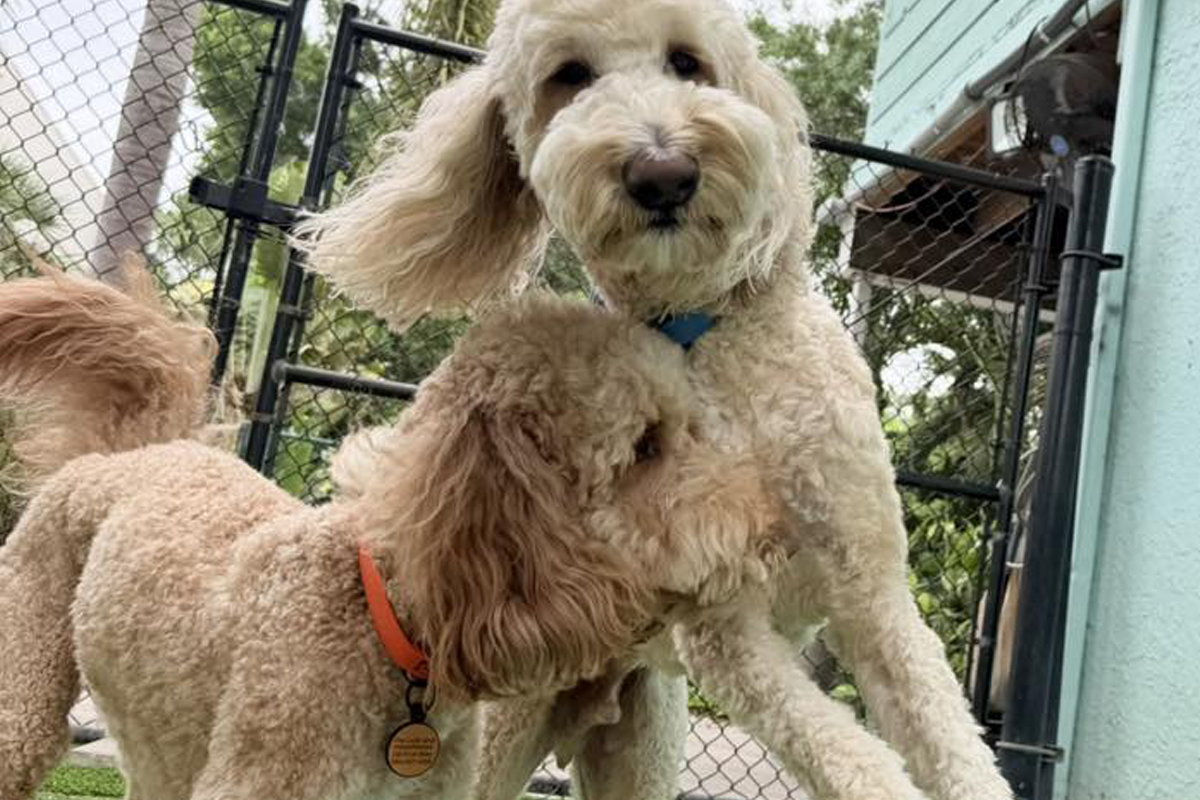
A lot of dog owners carry a quiet kind of guilt.
They love their dog. They care deeply. They would do anything for them. But somewhere underneath all that love is a feeling they do not always like admitting out loud. Life with the dog feels harder than they expected it would.
Not hard in the normal way, where there is routine, responsibility, and the occasional frustrating moment. Hard in the way that changes how the day feels. Hard in the way that makes walks stressful instead of enjoyable. Hard in the way that makes guests feel like a problem. Hard in the way that keeps the house from ever feeling fully calm. Hard in the way that leaves the owner wondering why something that was supposed to feel like companionship now feels so heavy.
As a trainer and business owner, I have had many conversations with owners who are carrying that exact feeling. They usually say it gently, almost apologetically. They say they know owning a dog takes work. They know no dog is perfect. But they also know, in their gut, that this is more than ordinary effort. The barking, pulling, jumping, reactivity, inability to settle, clinginess, or constant emotional chaos is affecting daily life in a way they did not expect.
And honestly, they are right to notice that.
Owning a dog should involve responsibility. It should involve consistency. It should even involve some challenges. But it should not feel like you are carrying stress every single day just to get through ordinary life with your dog.
The Hard Part Usually Builds Slowly
One of the reasons this feeling becomes so confusing is because it rarely happens all at once.
Most owners do not wake up one day and suddenly feel overwhelmed by their dog. It usually builds little by little. A dog pulls too hard on walks, but maybe it still feels manageable. A dog jumps on guests, but the owner tells themselves they are just friendly. A dog barks too much, follows people constantly, or cannot settle, but life moves on and people work around it.
Over time, though, those patterns stop feeling small.
What used to be occasional becomes constant. What used to feel manageable now affects the whole day. Walks start feeling like something to get through instead of enjoy. The owner starts avoiding people coming over. Quiet evenings do not feel quiet because the dog is pacing, reacting, or needing something nonstop. Home starts feeling emotionally noisy even when no one is talking.
That is when many people begin thinking something they never expected to think: this feels harder than it should.
That thought does not mean they do not love their dog. It means the behavior has grown big enough to affect quality of life.
Love Does Not Automatically Create Calm
I think this is one of the most important truths a dog owner can understand.
A dog can be deeply loved and still be very hard to live with.
Love matters. It always matters. But love by itself does not create boundaries, impulse control, emotional steadiness, calm greetings, polite leash behavior, or the ability to settle while life is happening. In fact, many dogs who are the most loved are also the least structured, because their owners care so much that they excuse too much, tolerate too much, or hope time alone will smooth things out.
Sometimes it does not.
Some dogs become more demanding when they are loved without enough structure. They become louder, clingier, more emotionally dependent, or more impulsive because their feelings are running the household instead of the other way around. The dog is not trying to ruin the relationship. The dog simply does not know how to live well inside it.
That is why structure matters so much. It does not take away love. It gives love a framework strong enough to actually support peace.
A Dog Can Be a Companion and Still Be a Source of Stress
This is the part many owners struggle to say out loud.
They know their dog brings love and affection into the home. But they also know the dog brings stress. And often those two truths exist side by side.
The dog may be sweet, but impossible on leash. Loving, but too intense with guests. Affectionate, but unable to settle. Loyal, but so emotionally needy that the owner feels followed, watched, and interrupted all day long. The dog may not be aggressive, but still make daily life feel exhausting because there is no real calm in the relationship.
That kind of stress changes the way companionship feels.
Instead of the dog being a source of peace, the dog becomes one more thing the owner is managing. One more thing they are anticipating. One more thing they have to adjust their day around. That is not the relationship most people hoped for when they brought a dog into their life.
And from my perspective, recognizing that does not make someone ungrateful. It makes them honest.
When the Dog Starts Affecting the Atmosphere of the Home
One of the clearest signs that something needs to change is when the dog starts shaping the emotional atmosphere of the home more than the people do.
Maybe the whole house adjusts to whether the dog is settled or not. Maybe people avoid certain movements because they know it will set the dog off. Maybe the dog reacts to every sound, every guest, every delivery, every schedule change, every walk, every transition. Maybe nobody can fully relax because the dog is always emotionally in the middle of everything.
This is one of the reasons dog behavior can feel so draining.
It is not always one obvious “problem behavior.” Sometimes it is the constant emotional pressure of a dog who never really turns off. A dog who cannot settle. A dog who cannot handle life unfolding around them without making it bigger. A dog who lives with so much internal chaos that everyone in the house ends up feeling it.
As a female trainer, I think this is one of the most important parts to acknowledge compassionately. Owners are not weak for feeling worn down by that. They are human. Living with chronic emotional noise in the home is exhausting.
Some Dogs Are Not Bad — They Are Under-Supported
I say this all the time because I believe it deeply.
A lot of dogs who make life feel hard are not bad dogs. They are under-supported dogs.
They may never have learned how to settle properly. They may never have had enough structure around transitions, greetings, or boundaries. They may have weak impulse control, poor emotional regulation, or too much freedom relative to what they can actually handle. They may be highly sensitive, highly social, highly reactive, or simply inconsistent in a way that gets worse when life gets busy.
The problem is not always the dog’s intentions. Often the problem is that the dog has been living in a way that keeps reinforcing the exact behaviors that are making everyone unhappy.
That is actually encouraging, because it means the situation is changeable.
If the stress is being created by patterns, then changing the patterns can change the relationship too.
Why Structure Often Feels Like Relief
One of the things I love most about helping dogs and families is watching what happens when real structure starts working.
The dog begins settling more.
The barking eases.
The greetings get calmer.
The owner stops bracing for every little thing.
The house starts feeling quieter.
It is not that the dog loses their personality. It is that the dog stops being ruled by every impulse, every emotion, and every environmental shift. Life with them starts feeling lighter.
That is often when owners realize just how much stress they had been carrying.
They breathe more. They trust the dog more. They enjoy the dog more. The relationship begins feeling like companionship again instead of constant management. And for many people, that shift is emotional. It feels like getting their home back. It feels like finally being able to enjoy the dog they have always loved without feeling so weighed down by the behavior.
That is why I believe structure is such a gift. Not just for the dog, but for the whole relationship.
Board-and-Train Can Change the Daily Pattern
This is one of the reasons board-and-train can be so powerful for the right dog.
When owning a dog feels too hard, the issue is often bigger than one or two commands. The whole daily pattern needs help. The dog needs a stronger foundation for settling, transitions, greetings, obedience, boundaries, and emotional control. They need repetition with calm behavior, not just isolated corrections after things go wrong.
A strong board-and-train program helps interrupt the old pattern and replace it with a better one.
That does not mean the dog becomes perfect. It means the dog becomes more manageable, more predictable, and more emotionally stable. And when that happens, daily life often starts feeling far less heavy.
From my perspective, that is one of the greatest values of real training. It changes not just the dog’s behavior, but the way life feels with the dog.
Why owning a dog should not feel this hard comes down to a very simple truth: companionship should bring more peace than pressure.
Yes, dogs take effort. Yes, they need time, structure, and consistency. But when behavior issues start shaping your entire day, your home atmosphere, and your emotional energy, that is a sign something deeper needs attention. It is not something to feel ashamed of. It is something to respond to honestly.
A dog that feels hard to live with is often a dog that needs more support, more structure, and clearer patterns than they have had before. And when those things are finally put in place, many owners discover that the relationship they wanted was not gone at all. It was simply buried under too much stress.
Contact The DogHouse LLC to learn how a structured board-and-train program can help turn daily stress into calmer behavior, a more peaceful home, and the kind of companionship you hoped for from the beginning.