

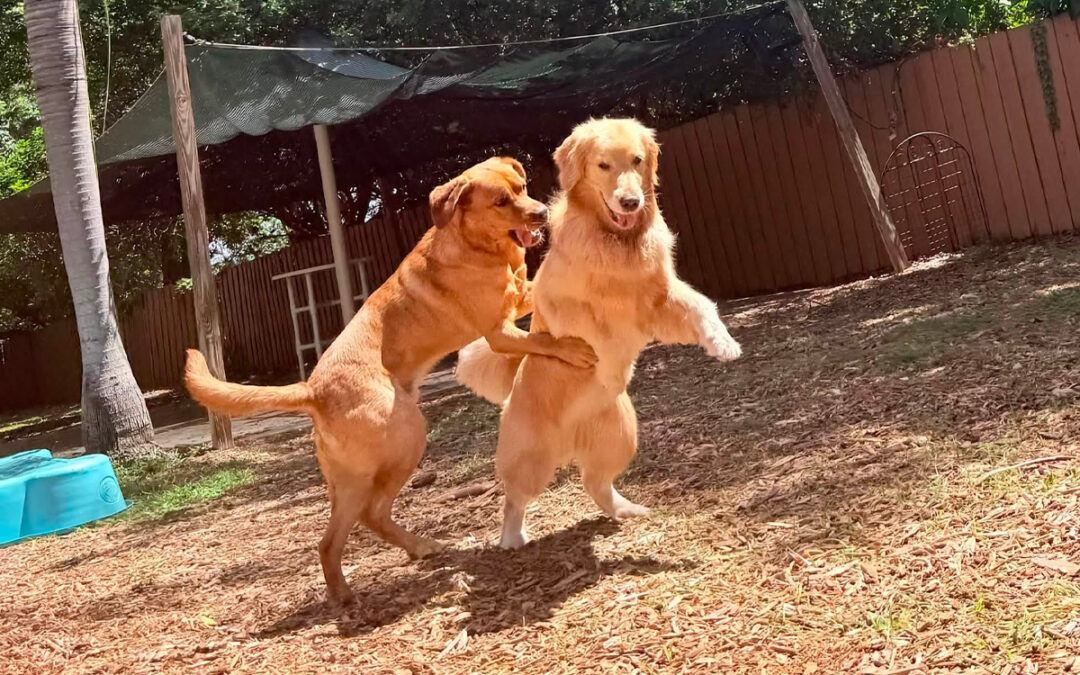
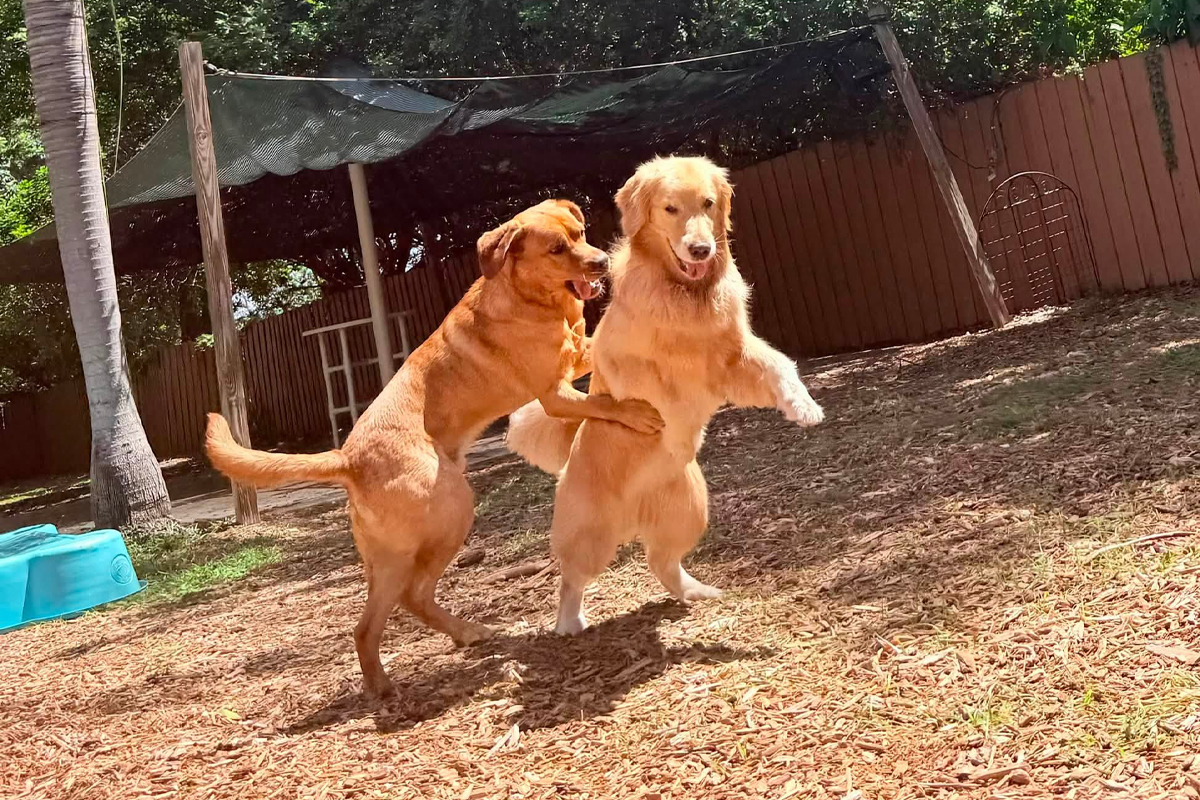
Small behavior problems are easy to excuse when they are still manageable.
A dog pulls a little on the leash, jumps on familiar people, barks at the window, rushes through doors, ignores a command when distracted, or struggles to settle after activity. None of these behaviors may feel serious enough to address immediately. Owners often assume the dog will mature, calm down, or improve once the household returns to a more predictable routine.
Summer has a way of showing whether those small problems are actually improving.
Longer days, busier neighborhoods, visitors, travel, children being home, more outdoor activity, and changes in the family schedule create additional pressure on a dog’s behavior. Habits that were easy to manage during quieter months can suddenly become more noticeable. A little pulling turns into a difficult walk. Mild excitement turns into chaotic greetings. Occasional barking becomes a daily pattern.
This makes summer a valuable time to act. Addressing a problem while it is still small is usually easier than waiting until the dog has practiced it for several more months. It can also prevent a minor frustration from becoming a safety issue or a source of ongoing stress for the household. Early intervention is an important part of the training approach families receive from The DogHouse LLC in Pinellas County, Florida.
Summer Reveals Problems That Quieter Routines Can Hide
During calmer times of the year, owners may be able to arrange life around a dog’s weak behavior.
They may walk at quiet times, avoid having guests over, keep the dog away from busy areas, or rely on a familiar household routine that does not challenge the dog very often. The behavior appears manageable because the environment is not asking much from the dog.
Summer changes that.
There may be more people outside, more dogs on walks, more delivery activity, more visitors, and more household movement throughout the day. Families may want to bring the dog to gatherings, parks, patios, or vacation properties. These situations expose whether the dog can remain calm and responsive when life becomes less predictable.
This is often when owners realize the problem was never as small as it seemed. The environment had simply been doing much of the management for them.
Recognizing this early is useful. It gives the family an opportunity to train the dog before avoidance becomes the only dependable option.
Small Problems Grow Through Repetition
Dogs improve at the behaviors they practice, including the behaviors owners do not want.
A dog that jumps during one greeting is not automatically developing a serious problem. A dog that jumps during hundreds of greetings is building a strong habit. The same is true for barking, pulling, door-dashing, demand behavior, ignoring commands, and reacting to other dogs.
Summer often provides more opportunities for repetition.
More people come through the door. More neighborhood activity passes the windows. More walks take place around distractions. More family members interact with the dog throughout the day. If the dog is repeatedly allowed to rehearse the same weak behavior, it can become much more automatic by the end of the season.
This is why waiting is not a neutral decision. While the owner waits to see whether the dog grows out of the behavior, the dog may be growing deeper into it.
Early training interrupts that repetition before the habit becomes more difficult to change.
Mild Excitement Can Become Poor Impulse Control
Excitement is not automatically a behavior problem.
Dogs are allowed to enjoy visitors, walks, backyard time, and interaction with their families. The concern begins when excitement consistently removes the dog’s ability to listen, wait, or make safe decisions.
A dog that wiggles during greetings may still be under control. A dog that jumps, mouths, knocks into people, and cannot settle long after the greeting is showing a larger impulse-control issue. A dog that becomes excited when the leash appears may be normal. A dog that barks, spins, pulls through the doorway, and remains disconnected throughout the walk needs more structure.
During summer, excitement appears in more parts of daily life. Without clear expectations, the dog can begin treating every transition like an emotional event.
Fixing this early helps the dog learn that excitement and obedience can exist at the same time. The goal is not to remove enthusiasm. It is to help the dog remain manageable while feeling it.
Summer Visitors Can Turn Weak Greetings Into a Bigger Problem
Many dogs get more practice greeting people during summer.
Friends visit, relatives stay in the home, children have friends over, and families host gatherings. A dog that already struggles with jumping, barking, crowding, or overexcitement may become increasingly difficult as those repetitions add up.
Owners often manage these moments by holding the collar, repeating commands, putting the dog in another room, or apologizing while trying to calm everyone down. These strategies may get the household through the immediate greeting, but they do not necessarily teach the dog a better pattern.
Over time, the dog begins expecting arrivals to be chaotic.
Addressing greetings early can completely change how visitors feel in the home. Place work, better doorway boundaries, and calmer introductions give the dog a clear responsibility. Instead of trying to control the dog after excitement has taken over, the family begins shaping the routine before the door opens.
That makes the experience safer and more comfortable for the dog, the owner, and the visitor.
Leash Problems Often Become More Obvious in Summer
Summer walks can expose small leash issues quickly.
A dog that pulls mildly on a quiet street may become much harder to handle when children, bicycles, dogs, wildlife, and outdoor activity appear. Heat can also shorten the dog’s patience and attention, making an already weak leash habit more noticeable.
Owners may begin avoiding certain streets or changing their schedule to reduce the chance of a difficult encounter. While choosing appropriate conditions is responsible, the family should not have to organize every walk around the fear that the dog will become unmanageable.
Minor pulling, scanning, and loss of focus are worth addressing before they develop into lunging, reactivity, or complete disconnection from the handler.
Better leash behavior is not only about creating a polished walk. It gives the owner greater control in unpredictable situations and helps the dog move through the environment without becoming emotionally pulled toward everything they see.
Doorway Habits Deserve Early Attention
Summer brings more open doors, garage activity, backyard access, deliveries, and people entering or leaving the home.
This makes doorway behavior especially important.
A dog that crowds the threshold or slips through occasionally may seem more inconvenient than dangerous. But doorway habits can become serious very quickly. The dog may run into the street, chase an animal, knock into a child, or get loose while a guest is entering.
The more often the dog rushes an opening successfully, the more natural that response becomes.
Training the dog to wait, remain on place, and move through doors only with permission creates a safer household routine. It also strengthens impulse control in many other areas because the dog learns that access does not come from rushing.
Summer is a good time to address this problem because the family is likely encountering the doorway more frequently. Every entrance and exit can become either another rehearsal of poor behavior or another opportunity to build a better habit.
Demand Behavior Can Expand During Looser Schedules
Summer schedules often become less predictable.
Meals may happen at different times, family members may be home more often, and the dog may receive more attention throughout the day. For some dogs, this creates an expectation that interaction should always be available.
The dog begins barking, whining, pawing, nudging, or pacing whenever they want food, attention, outdoor access, or entertainment. Owners may respond because they are trying to keep the dog quiet or because it feels easier than ignoring the request.
This teaches the dog that persistence works.
Demand behavior often starts in one small area and then spreads. A dog that barks for a toy may eventually bark for meals, door access, attention, and movement from the owner. What once seemed like a vocal personality can become a pattern that controls the emotional rhythm of the home.
Summer provides an opportunity to reset this expectation. The dog can learn that calm behavior leads to access and that frustration does not control the household.
Small Reactivity Should Not Be Dismissed
A dog does not need to be barking and lunging aggressively for reactivity to deserve attention.
Early signs may include staring, freezing, stiffening, whining, pulling toward a trigger, becoming unable to take direction, or staying emotionally elevated long after the trigger passes. These behaviors may be easier to manage when the dog is younger or physically smaller, but they can become more difficult as confidence and strength increase.
Summer places dogs around more triggers.
There are often more people, dogs, bicycles, golf carts, lawn equipment, wildlife, and unfamiliar sounds in the environment. Each encounter gives the dog another opportunity to practice either calm neutrality or an emotional reaction.
Addressing early reactivity does not mean assuming the dog is aggressive. It means recognizing that the dog is struggling to regulate around certain situations and needs guidance before the pattern deepens.
The earlier the dog learns how to remain connected to the handler, the easier it usually is to prevent the reaction from becoming the dog’s normal response.
Fixing Problems Early Protects the Owner’s Confidence
Behavior problems affect more than the dog.
When difficult moments happen repeatedly, owners often lose confidence. They become tense before walks, embarrassed when guests arrive, worried about opening the door, or frustrated when simple routines turn into conflict. That tension can change the way they handle the dog.
They may begin avoiding situations completely or reacting more emotionally when the behavior happens.
Early intervention protects the relationship before that frustration becomes deeply established. It gives the owner a clear plan and helps them understand why the behavior is happening. Instead of feeling like every difficult moment is unpredictable, the family begins building routines they can rely on.
Confidence matters because calm, consistent handling is easier when the owner trusts both the training process and the dog’s progress.
Early Training Is Often More Efficient Than Correcting an Established Habit
Teaching a dog a better pattern takes time, but changing a deeply rehearsed pattern usually takes more.
When a problem is addressed early, the behavior may still be flexible. The dog has not practiced it for years, the household has not built its entire routine around managing it, and the owner may still feel hopeful rather than exhausted.
Once the behavior becomes established, the training often includes two jobs. The dog must stop relying on the old pattern and learn the new one. The family must also change the routines that have unintentionally kept the behavior alive.
This does not mean older or long-standing behavior problems cannot improve. They often can. It simply means early action usually gives the family a clearer starting point and prevents unnecessary repetition.
Summer can be an ideal time to begin because the problem is often easier to observe in real-life situations. Owners can see exactly where the dog struggles and address those areas before another season passes.
Progress Does Not Require Waiting for a Serious Problem
Some owners hesitate to seek professional help because they believe their dog is not “bad enough” yet.
But training is not only for extreme cases.
A family does not need to wait for a bite, escape, damaged relationship, or completely unmanageable routine before getting support. In many cases, the best time to begin is when the owner first notices that a behavior is becoming more frequent, harder to interrupt, or more disruptive.
Professional training can help clarify whether the problem is a simple skill gap, weak household structure, poor impulse control, fear, overexcitement, or a more established behavioral pattern.
That understanding allows the family to address the real cause instead of trying random corrections or hoping the dog improves without a plan.
Board-and-Train Can Create a Stronger Foundation
This is one of the reasons board-and-train can be valuable when small problems are appearing in several parts of daily life.
A dog may pull on the leash, jump during greetings, rush through doors, ignore commands around distractions, and struggle to settle indoors. Each problem may seem separate, but they often share a common foundation of weak impulse control, unclear boundaries, or inconsistent follow-through.
A structured board-and-train program can address that foundation.
The dog receives repeated practice with leash behavior, place work, waiting, doorway manners, obedience, and emotional regulation. Instead of correcting the same symptoms individually, the training helps build a clearer overall pattern for how the dog should move through daily life.
Starting during summer can prevent months of additional rehearsal and give the family stronger skills before fall schedules, school routines, holidays, and seasonal visitors create new challenges.
Summer is a good time to fix small behavior problems because the season often makes those problems easier to see.
Busier homes, longer days, more visitors, outdoor distractions, and looser schedules place additional pressure on a dog’s habits. A behavior that seemed minor in a quiet routine may become much more disruptive once the environment changes.
That does not mean the dog has suddenly become worse. It often means the weakness was already there and summer provided more opportunities for it to appear.
Addressing the issue early helps prevent repetition, protects household safety, and gives the dog a better chance to develop reliable habits before the problem becomes deeply established. It also helps owners enjoy more of life with their dog instead of constantly planning around difficult behavior.
From our perspective, families should not have to wait for a small concern to become a major disruption before asking for help. Early structure and clear training can make everyday life calmer now while preventing much more difficult problems later.
Contact The DogHouse LLC to learn how a structured board-and-train program can help address small behavior problems early and build calmer, safer, and more reliable habits for your dog in Pinellas County, Florida.