


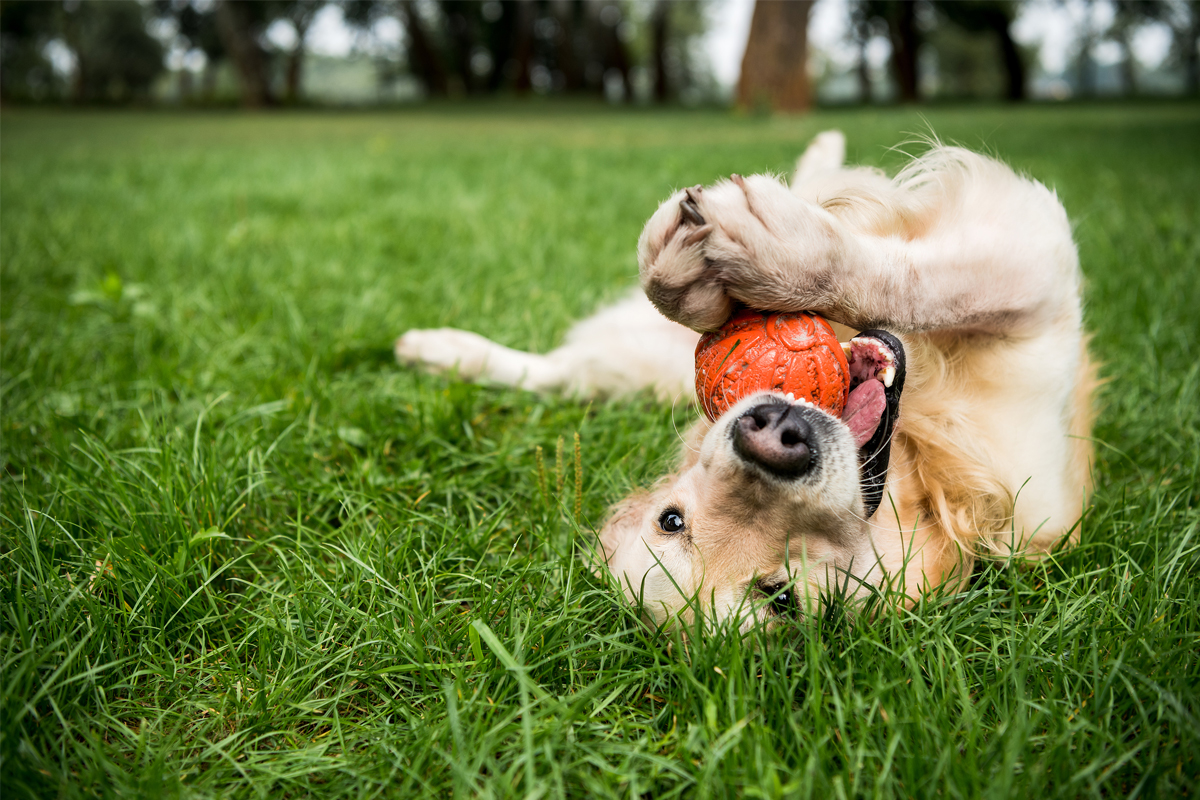
Play is one of the most powerful ways to connect with a dog. It builds trust, strengthens relationships, lowers stress, and burns excess energy. But without structure, play can also reinforce unwanted behaviors — jumping, demanding attention, nipping, or ignoring commands.
At The DogHouse LLC, our family-owned dog training and boarding business teaches owners how to turn play into a valuable training tool instead of a distraction. When done correctly, play becomes a reward, a teaching opportunity, and a confidence builder. When done without boundaries, it becomes chaos.
Training and play don’t have to compete, they should support one another.
Why Play Matters in Training
Dogs learn best when they feel safe, confident, and engaged. Play is a natural motivator and a mental reset for dogs of any age.
Benefits of using play in training:
-
Increases motivation
-
Strengthens bonding
-
Builds trust
-
Reduces stress and anxiety
-
Sharpens focus
-
Improves physical and mental conditioning
Play can turn training into something fun instead of something stressful.
The Key: Keep Play Structured
Unstructured play often rewards overexcited behavior. Structured play rewards calm listening, impulse control, and focus.
Trainer’s Rule:
Play should not start until the dog is calm — and play should end the moment they lose control.
This creates powerful clarity.
Using Play as a Reward
Play is one of the strongest reinforcers you can use during obedience training. Instead of handing out endless treats, let your dog earn play sessions through good behavior.
Examples:
-
A perfect recall earns a quick game of tug.
-
A solid “stay” earns a ball toss.
-
Calm leash walking earns access to outdoor sniffing.
Dogs learn that obedience opens the door to play.
Teaching Self-Control Through Play
Play is a perfect opportunity to teach patience.
Skills to build during play:
-
waiting before grabbing the toy
-
dropping toys on command
-
stopping mid-game
-
returning toys to restart the game
These exercises teach impulse control while still being fun.
The Power of Stop-and-Start Games
Dogs who learn to start and stop play on command become calmer in every part of life.
Practice this sequence:
-
Sit before the toy appears
-
Wait before touching it
-
Play — release to start
-
Out/Drop to end
-
Sit again to restart
This structure creates:
-
better obedience
-
better manners
-
better clarity
And it dramatically reduces frustration for owners.
Using Play to Strengthen Recall
Many dogs ignore recall commands because the reward isn’t exciting enough. Play changes that.
Try rotating rewards:
-
tug toy
-
fetch ball
-
frisbee
-
chase game
-
high-value affection
Dogs who know that coming when called leads to fun will run to their owner with enthusiasm.
Turning Fetch Into Obedience Training
Fetch isn’t just exercise — it’s a training moment.
Teach your dog to:
-
sit before the throw
-
wait for the release word
-
bring the toy back
-
release it on command
-
sit before the next toss
This teaches:
-
patience
-
respect
-
focus
-
clarity
All through something your dog already loves.
Play Helps With Nervous or Fearful Dogs
Structured play builds confidence.
It teaches dogs that:
-
movement is safe
-
the owner is trustworthy
-
new environments are positive
-
success is possible
For shy dogs, play can break emotional walls faster than food or verbal praise.
What to Avoid When Using Play During Training
Play becomes harmful when excitement replaces obedience.
Avoid:
-
wrestling games
-
chasing the dog around the house
-
roughhousing when the dog is overstimulated
-
rewarding barking or jumping
-
toys constantly available 24/7
These habits teach independence and pushiness, not respect.
Don’t Let Toys Control the Dog
Some dogs become obsessive over toys. That can turn a training moment into a meltdown.
Trainer’s recommendation:
You control the toy — not the dog.
The toy appears and disappears when:
-
behavior is correct
-
mindset is calm
-
focus remains intact
This maintains clarity and keeps play emotionally healthy.
Using Play Indoors Before Outdoor Training
Dogs who are excited indoors will explode outdoors. Play indoors can help drain energy and improve focus before training sessions.
Try short rounds of:
-
tug
-
fetch
-
nose work games
-
toy switching
A calmer dog learns faster.
When to Seek Professional Help
If play is fueling:
-
nipping
-
aggression
-
guarding behavior
-
reactive arousal
-
anxiety
-
overstimulation
professional guidance can make all the difference.
At The DogHouse LLC, we help dogs learn to use play as part of a balanced obedience system, not a source of chaos.
Play is not the opposite of training — it is one of the most valuable training tools you have. When structured correctly, play teaches patience, impulse control, and obedience far more effectively than constant correction or treats alone.
At The DogHouse LLC, our family-owned team helps dog owners balance structure and fun to raise calm, respectful, and well-behaved dogs. When play becomes part of training instead of a distraction from it, every aspect of the dog’s life improves.
Want help using play to improve obedience? Contact us today to learn more about our training programs built on structure, clarity, and real-world success.