


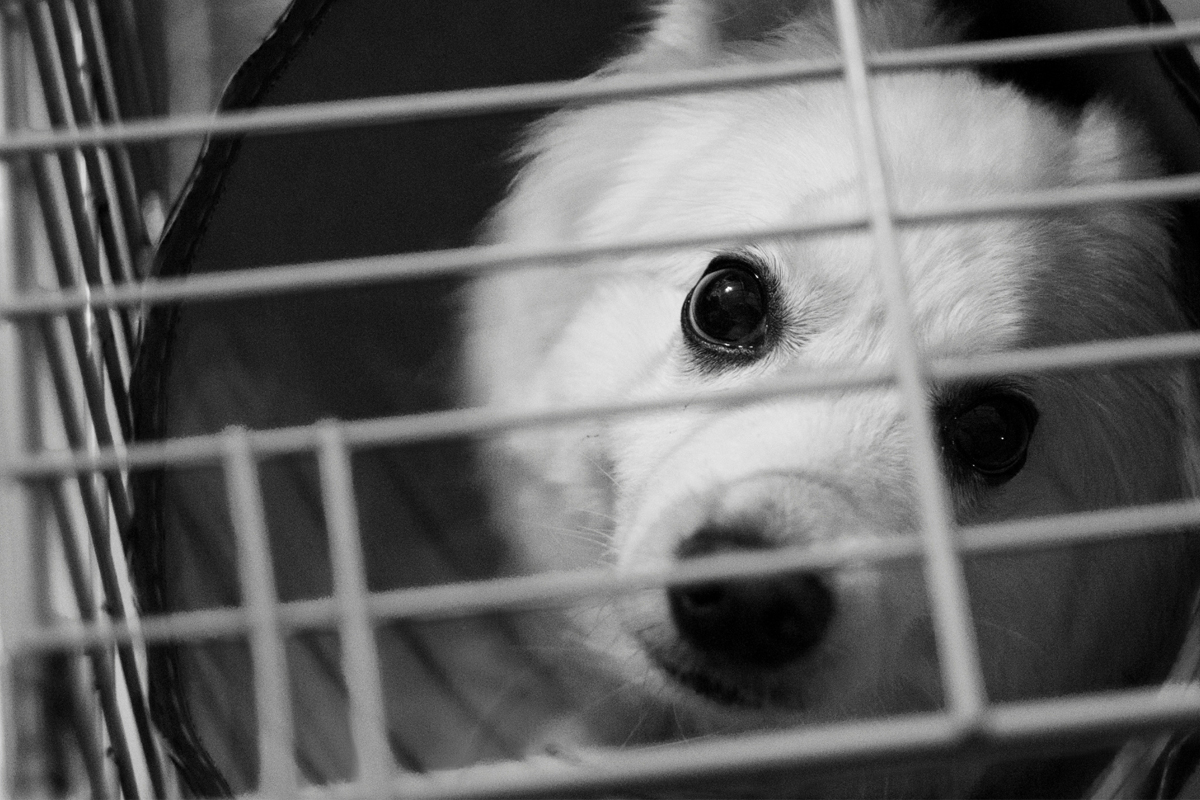
Many training challenges aren’t rooted in a dog’s ability to learn — they’re rooted in emotion. Dogs don’t just hear commands or watch movement; they read the emotional state of the person giving them direction. Your dog knows when you’re calm, tense, frustrated, rushed, or unsure long before you say a word.
At The DogHouse LLC, our family-owned dog training and boarding business has spent nearly 20 years helping dogs and owners build better communication. One of the most powerful breakthroughs we see happens when owners realize that training isn’t just physical or verbal — it’s emotional.
Your mindset shapes your dog’s behavior more than most people realize.
Dogs Are Emotional Observers
Dogs evolved to survive by reading subtle emotional cues. In social groups, recognizing tension or calmness is critical to safety. That instinct didn’t disappear when dogs became companions, it became refined.
Dogs constantly monitor:
-
breathing patterns
-
muscle tension
-
posture
-
facial expression
-
movement speed
-
vocal tone
Before a command is even processed, your dog has already assessed how you feel.
Why Emotion Comes Before Obedience
When a dog senses stress or uncertainty, their brain shifts into survival mode. In that state, learning and obedience slow down.
Signs your dog is reacting to emotional pressure include:
-
hesitation before commands
-
avoidance or shutdown
-
overexcitement
-
leash reactivity
-
barking or pacing
-
ignoring cues they normally follow
These behaviors are often emotional responses, not defiance.
Calm Minds Create Thinking Dogs
A calm dog can process information. A stressed dog cannot.
When your emotional state is steady, your dog feels safe enough to think instead of react. Calm energy communicates leadership without force.
Trainer’s Insight:
Dogs follow emotional stability before they follow instruction.
At The DogHouse LLC, we teach owners that calming themselves often resolves issues faster than correcting the dog.
How Frustration Sabotages Training
Frustration changes everything — posture, tone, timing, and consistency. Dogs detect it instantly.
Frustration often leads to:
-
rushed commands
-
repeated cues
-
sharp movements
-
inconsistent follow-through
-
emotional corrections
To a dog, this feels unpredictable and unsafe, which increases confusion and resistance.
Why Nervous Energy Creates Uncertainty
Nervous owners unintentionally teach dogs that situations are threatening.
Dogs may respond by:
-
pulling on leash
-
scanning the environment
-
becoming reactive
-
refusing commands
-
staying hyper-alert
Your dog isn’t “protecting you” — they’re responding to emotional cues that suggest danger.
Emotional Consistency Builds Trust
Dogs trust leaders who are emotionally predictable.
Emotional consistency means:
-
steady tone
-
calm posture
-
patient timing
-
clear follow-through
-
minimal emotional reaction
When dogs know what emotional response to expect from you, they relax and cooperate more willingly.
Why Over-Reassurance Can Increase Anxiety
Many owners instinctively soothe anxious dogs with excessive talking, touching, or babying. While well-intentioned, this often reinforces the dog’s concern.
Dogs interpret excessive reassurance as confirmation that something is wrong.
Calm neutrality — not emotional reassurance — communicates safety most clearly.
Teaching Dogs Through Emotional Regulation
Training works best when the handler manages their own emotional state first.
Helpful habits include:
-
pausing before giving commands
-
breathing deeply during tense moments
-
slowing movement intentionally
-
maintaining relaxed posture
-
lowering emotional intensity
Dogs mirror emotional regulation when they see it modeled consistently.
How Emotion Impacts Timing
Emotional reactions disrupt timing, one of the most important parts of training.
Late corrections, rushed praise, or emotional responses confuse dogs. Calm handlers respond at the right moment, which makes communication clear and effective.
Emotional Awareness Improves Leash Behavior
Leash issues often reflect the handler’s emotional state.
Tension in the leash usually mirrors tension in the person holding it. Calm, confident movement communicates direction without force.
When owners relax their bodies and minds, leash behavior improves noticeably.
Why Dogs Test Emotional Leadership
Dogs naturally test situations to see who’s in control. When owners become emotionally reactive, dogs feel pressure to manage the situation themselves.
This can lead to:
-
barking
-
guarding
-
pulling
-
refusal to follow direction
Stable emotional leadership removes the need for dogs to step in.
Training Is a Two-Way Emotional Exchange
Dogs don’t train in isolation. Every interaction is a feedback loop.
Your dog learns:
-
how you handle stress
-
how you respond to mistakes
-
whether leadership remains consistent
-
how safe it is to follow direction
This emotional exchange shapes long-term behavior far more than commands alone.
When Professional Training Helps
Some owners struggle not because they lack effort, but because they’ve never been taught how emotional regulation affects training.
Professional training helps owners:
-
recognize emotional patterns
-
reset their approach
-
build trust through consistency
At The DogHouse LLC, we train both ends of the leash, helping owners lead with clarity and emotional balance.
Training isn’t just about teaching dogs what to do, it’s about showing them how to feel. Dogs read emotion first, movement second, and words last. When owners lead with calm, steady energy, dogs respond with trust, focus, and cooperation.
At The DogHouse LLC, our family-owned training and boarding team helps owners understand the emotional side of training so obedience becomes natural, not forced. When your state of mind is clear, your dog’s behavior follows.
Ready to improve training by improving communication and emotional balance? Contact us today to learn more about our professional training programs designed for real-world success.