

Few things worry dog owners more than seeing their pet growl, lunge, or snap at another dog. It can feel stressful, embarrassing, and even dangerous — but it’s also more common than most people realize. The good news is that aggression toward other dogs can often be managed, and even corrected, with the right training, structure, and understanding.
At The DogHouse LLC, our family-owned dog training and boarding business has worked with dogs across all breeds and temperaments for nearly 20 years. We’ve helped countless families in the Pinellas County community transform reactive or aggressive behavior into calm, confident social skills. If your dog is showing aggression toward other dogs, here’s what to do — and what not to do — to keep everyone safe and on the path to progress.
1. Recognize the Signs Early
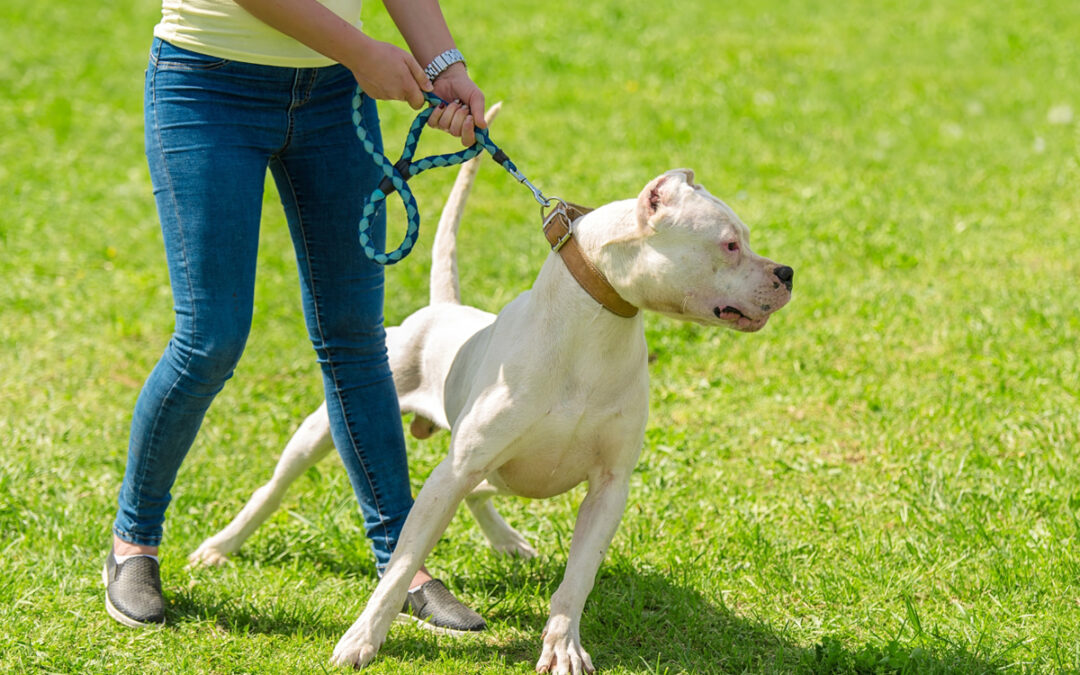
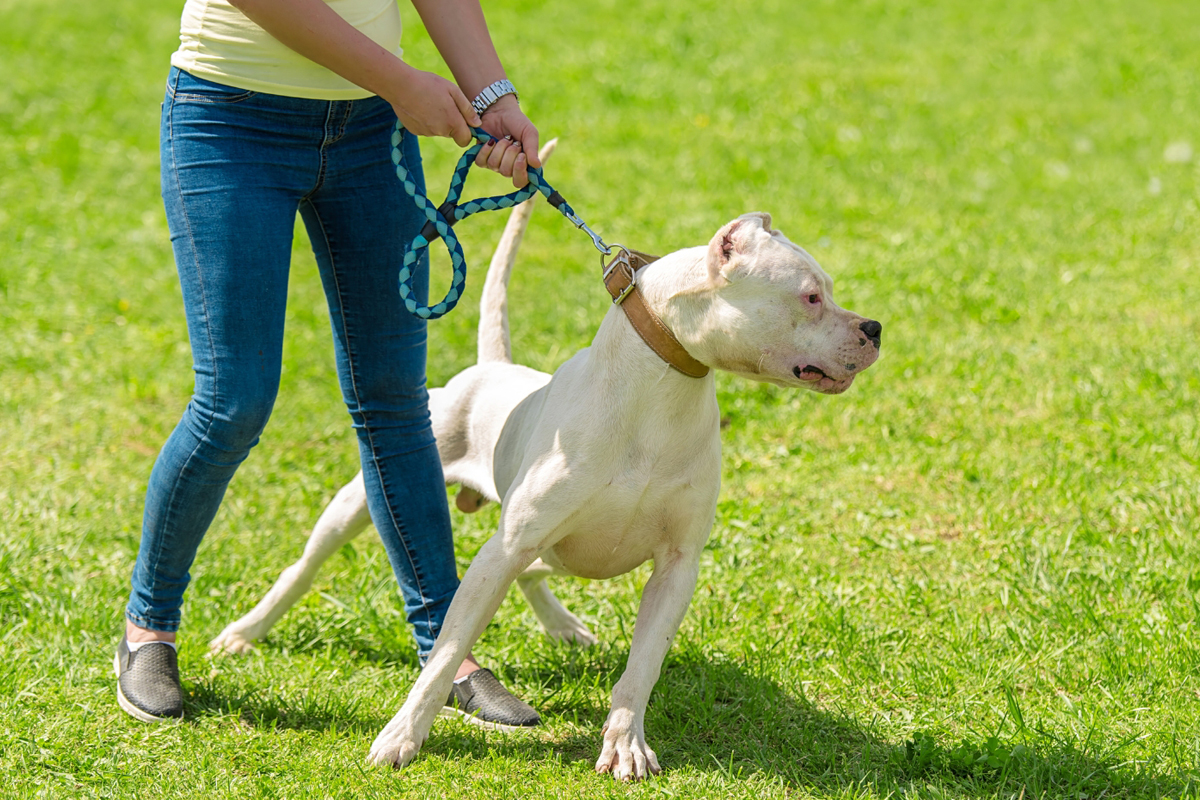
Aggression doesn’t always start with a bite or fight. It often begins with subtle signals that can escalate if ignored.
Common Warning Signs:
- Stiff posture or raised hackles
- Hard staring or direct eye contact
- Growling, snarling, or showing teeth
- Lunging on leash or blocking another dog’s path
- Snapping or nipping without clear provocation
Trainer’s Tip: Early recognition gives you time to intervene before the situation escalates. Paying attention to body language is one of the most effective ways to prevent conflict.
2. Stay Calm and Avoid Reacting Emotionally
Your dog takes cues from you. Yelling, jerking the leash, or panicking can actually increase tension and make the aggression worse.
How to Respond:
- Keep your tone calm but firm.
- Avoid tightening the leash — it adds tension.
- Move your dog away calmly and create space without confrontation.
Why It Works: Dogs mirror your energy. A calm handler helps them relax, while frustration or fear can amplify aggression.
3. Identify the Triggers
Understanding why your dog becomes aggressive is key to changing the behavior.
Common Triggers Include:
- Fear or insecurity around unfamiliar dogs
- Leash frustration (lack of freedom or control)
- Resource guarding (protecting toys, food, or you)
- Territorial behavior
- Lack of early socialization
At The DogHouse LLC: Our trainers begin every behavior evaluation by identifying triggers, thresholds, and context — not just the aggression itself. This ensures we address the root cause, not just the symptom.
4. Avoid Dog Parks and High-Stress Environments
Until your dog’s behavior is under control, it’s best to avoid overstimulating settings like dog parks or crowded walking trails. These environments can quickly overwhelm reactive dogs.
Better Options:
- Controlled walks in quieter neighborhoods.
- One-on-one training or structured play with stable, well-behaved dogs.
- Supervised daycare programs with experienced handlers (once progress is made).
Why It Works: Controlled exposure helps your dog build confidence without pushing them beyond their limits.
5. Focus on Structured Training and Obedience
Obedience training builds focus, trust, and respect — all of which help manage aggression. Commands like “sit,” “leave it,” “focus,” and “heel” can redirect your dog before negative behavior begins.
Trainer’s Recommendation:
- Practice obedience in low-distraction settings first.
- Gradually introduce mild distractions as your dog improves.
- Always reward calm, focused behavior.
At The DogHouse LLC: We use real-world training methods that teach dogs to remain calm and attentive around others — starting with control, not confrontation.
6. Desensitize and Counter-Condition
Once your dog can stay calm at a distance from other dogs, gradually reduce that distance over time.
How to Practice:
- Start at a distance where your dog notices another dog but doesn’t react.
- Reward calm behavior with treats and praise.
- Slowly move closer over several sessions.
- If your dog reacts, increase distance again and reset.
Why It Works: This teaches your dog that other dogs predict good things (rewards and praise), not fear or conflict.
7. Maintain Structure at Home
Dogs who lack boundaries at home often struggle with impulse control in public. Structure builds respect and confidence, which reduces reactivity.
Practical Home Rules:
- Make your dog earn attention and privileges through obedience.
- Set clear routines for meals, walks, and rest.
- Avoid letting your dog “patrol” windows or fences — it reinforces territorial behavior.
Trainer’s Insight: Calm, balanced dogs come from structured households. Leadership creates security, which minimizes anxiety-driven aggression.
8. Don’t Punish Growling
It may seem counterintuitive, but growling is communication — a warning before escalation. Punishing it teaches your dog not to warn you next time, which increases risk.
Better Approach:
- Respect the growl as information.
- Create distance, assess the trigger, and redirect calmly.
- Work on desensitization rather than suppression.
Why It Works: Addressing the emotion behind the growl (fear, frustration, or overexcitement) is far more effective than silencing it.
9. Get Professional Help Early
Aggression toward other dogs rarely improves on its own — but with the right professional help, it can absolutely be corrected. Look for trainers experienced in behavior modification and balanced training techniques.
At The DogHouse LLC: Our family-run team has nearly two decades of experience helping dogs overcome reactivity through structured, compassionate, real-world training. We focus on clear communication, trust-building, and safe exposure techniques tailored to each dog’s personality.
Aggression toward other dogs doesn’t mean your pet is “bad” — it means they need guidance, structure, and a calm, confident leader. With patience and the right training plan, your dog can learn to stay relaxed and social around others again.
At The DogHouse LLC, we specialize in helping families understand and correct unwanted behaviors through proven, compassionate training methods. Whether your dog needs basic obedience or intensive behavior work, our family is here to help yours.
Concerned about your dog’s aggression? Contact us today to schedule a behavior evaluation and start building a calmer, more confident dog.