


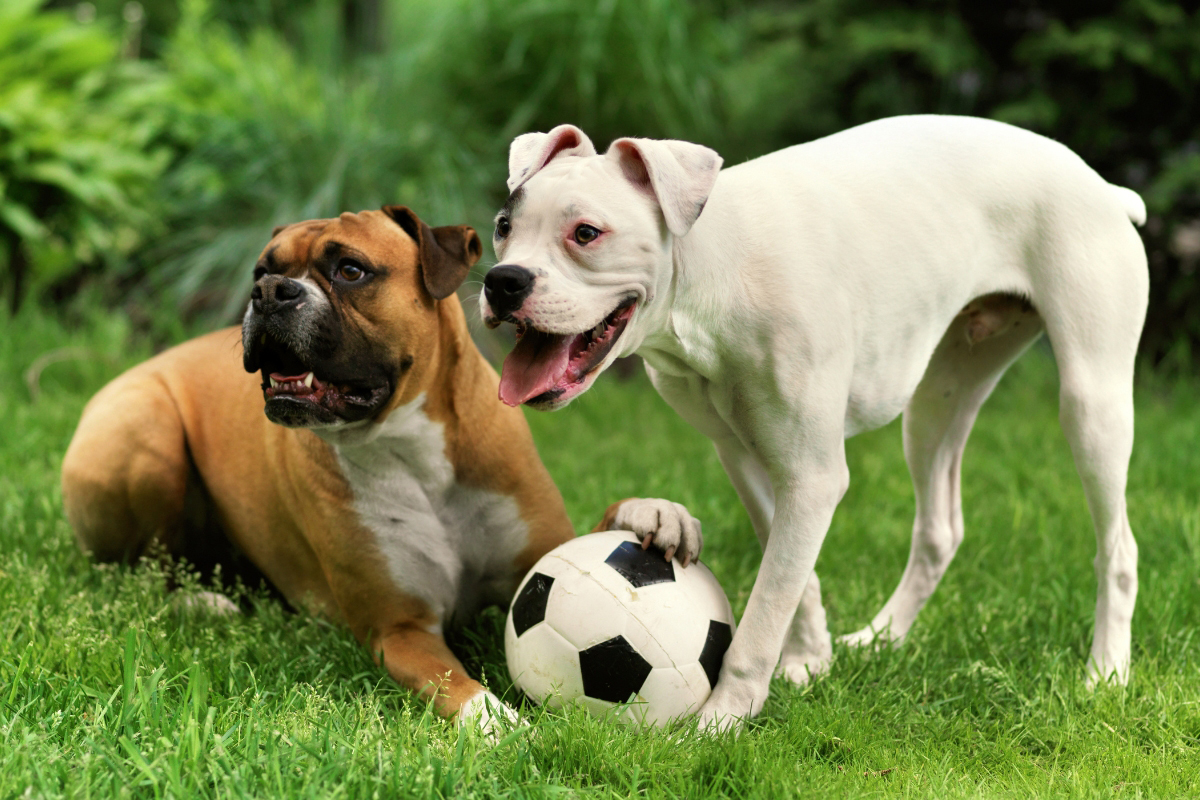
Socialization is one of the most important parts of raising a well-adjusted dog, but it’s also one of the most misunderstood. Many owners think it simply means letting their dog meet every person and dog they see. In reality, proper socialization is about teaching your dog how to stay calm, confident, and respectful in new environments, not overwhelmed or reactive.
At The DogHouse LLC, our family-owned training and boarding business has helped Pinellas County families safely socialize their dogs for nearly 20 years. Whether you have a new puppy, a rescue dog, or an adult dog who needs a refresher, here’s how to build positive social habits that last a lifetime.
1. Start with a Calm Mindset
Before taking your dog into public spaces, ensure they’re calm and focused. Overexcited energy can quickly lead to jumping, pulling, or barking, which sets the wrong tone for social interactions.
Trainer’s Tip:
- Take your dog for a short walk or training session first.
- Practice obedience commands like sit, stay, and focus before approaching distractions.
- Reward calm energy, not excitement.
Why It Works: A calm, centered dog learns more effectively and is less likely to react impulsively when meeting new people or animals.
2. Choose the Right Environment
Not all public spaces are ideal for early socialization. Avoid crowded parks or loud events until your dog has developed reliable focus and confidence in quieter places.
Good Starting Locations:
- Pet-friendly stores (early in the day when crowds are light)
- Outdoor cafés or sidewalks with minimal traffic
- Quiet neighborhoods or parks with wide open areas
At The DogHouse LLC: We begin socialization training in controlled, low-distraction settings before gradually introducing more complex environments.
Why It Works: Gradual exposure builds confidence and prevents overstimulation.
3. Practice Distance Before Direct Interaction
Just because your dog sees another dog or person doesn’t mean they need to interact. The goal of socialization is tolerance and composure, not constant contact.
How to Train:
- Reward your dog for remaining calm while observing other dogs at a distance.
- Slowly decrease that distance over several sessions.
- Only allow greetings if both dogs are relaxed and under control.
Trainer’s Advice: Quality interactions matter more than quantity. Teaching your dog to calmly coexist is more valuable than forcing constant introductions.
4. Master Leash Manners
Leash tension communicates anxiety and control issues. Dogs that pull or lunge are often reacting to the stress they feel from a tight leash.
Trainer’s Recommendations:
- Keep the leash loose but short enough to maintain control.
- Practice heel and focus commands regularly.
- Avoid retractable leashes — they encourage inconsistent pressure and poor boundaries.
Why It Works: Good leash communication reinforces calm behavior and helps your dog focus on you, not every distraction.
5. Use Positive Reinforcement
Rewarding calm and polite behavior is one of the most effective ways to shape lasting social skills.
Reward These Moments:
- Sitting patiently while another dog passes
- Walking calmly in busy areas
- Ignoring loud noises or distractions
At The DogHouse LLC: Our trainers use positive reinforcement paired with structured leadership to build confidence and reliability.
Why It Works: Dogs repeat the behaviors that earn them praise, creating positive associations with new experiences.
6. Respect Personal Space
Even friendly dogs and people need space. Not every dog wants to be approached, and not every person is comfortable around animals.
Social Etiquette for Dog Owners:
- Always ask before letting your dog greet someone.
- Keep at least 3–6 feet of space from unfamiliar dogs unless invited.
- Watch for signs of discomfort in both dogs — like stiff posture, tail tucking, or avoidance.
Trainer’s Tip: Teaching your dog to calmly “ignore” others is just as valuable as teaching them to greet politely.
7. Prepare for Real-Life Distractions
The real world is full of unpredictable events — joggers, bikes, kids, squirrels, or sudden noises. The best socialized dogs can handle surprises without losing focus.
How to Train for Real-Life Situations:
- Expose your dog to mild distractions in training sessions.
- Use obedience commands to redirect attention when distractions appear.
- Gradually build tolerance through controlled practice.
Why It Works: Progressive training helps your dog build resilience and confidence in all environments, not just calm ones.
8. Don’t Force It
If your dog seems overwhelmed, fearful, or reactive, take a step back. Forcing interactions can create negative associations that make socialization harder in the long run.
Trainer’s Advice:
- Go at your dog’s pace.
- Focus on calm exposure rather than contact.
- End each session on a positive note — even small wins count.
At The DogHouse LLC: We remind owners that confidence grows with time and consistency. Socialization should be enjoyable, not stressful.
9. Consider Professional Guidance
If your dog struggles with reactivity, fear, or aggression around others, professional training can help. A skilled trainer can assess triggers, build structure, and safely reintroduce your dog to social settings.
At The DogHouse LLC: Our family-run team has nearly two decades of experience helping dogs learn to behave politely and confidently in public spaces through positive, real-world training.
Proper socialization is about more than exposure — it’s about teaching your dog to remain calm, confident, and respectful no matter what’s happening around them. With consistency, patience, and expert guidance, you can turn public outings into enjoyable experiences for both you and your dog.
At The DogHouse LLC, we’ve helped families across Pinellas County raise well-mannered dogs that thrive in real-world environments. From obedience classes to personalized socialization programs, our goal is to strengthen the bond between dogs and their owners, one confident walk at a time.
Ready to improve your dog’s manners in public? Contact us today to learn more about our professional training programs and socialization services.