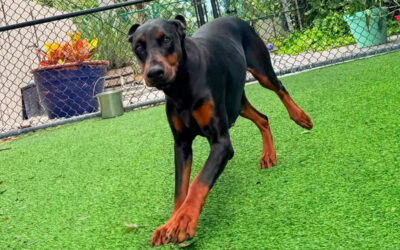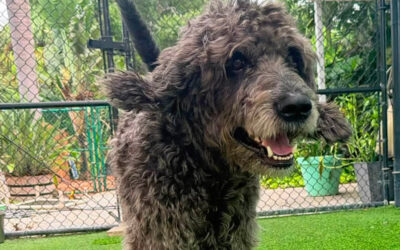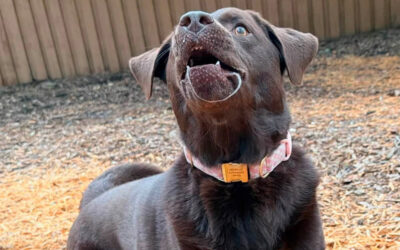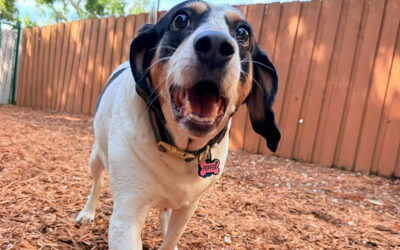

Finding the right dog trainer can make a major difference in how quickly a dog improves and how well that progress holds up at home. Some families are looking for help with basic obedience. Others are dealing with pulling, jumping, barking, poor recall, reactivity, or...
Training Resources
How to Teach Better Impulse Control Around Toys
Toys are supposed to be fun, but for some dogs they quickly become one of the biggest sources of excitement in the house. A ball comes out and the dog starts barking. A tug toy appears and they jump. Someone reaches toward the toy bin and the dog rushes over before...
Teaching Your Dog to Handle Household Changes Without Falling Apart
Dogs often notice household changes long before people realize how much those changes are affecting them. Furniture moves. A family member starts working different hours. Children return to school. Someone new moves in. A guest stays for a week. A baby arrives. A...
How to Stop Your Dog From Stealing Household Items for Attention
Some dogs become experts at stealing exactly the items they know people care about. A sock disappears from the laundry pile. A shoe gets carried into another room. The television remote suddenly ends up in the dog’s mouth. A towel, child’s toy, piece of clothing, or...
Why Dogs Struggle When Every Family Member Trains Differently
A dog can become confused very quickly when every person in the house handles behavior differently. One family member allows jumping. Another corrects it. One person lets the dog pull toward people on walks. Someone else expects a calm heel. One person allows the dog...
How to Teach Your Dog to Respond the First Time You Ask
Many dog owners eventually find themselves repeating the same command over and over. “Sit.” “Sit.” “Sit.” “Come.” “Come here.” “Come on.” The dog eventually responds, but only after several requests. This can become frustrating because the dog clearly seems to know...
How to Improve Your Dog’s Response Around Other Dogs
For many dogs, other dogs are one of the strongest distractions they will ever face. A dog may walk beautifully through the neighborhood until another dog appears. Then the leash tightens. The staring begins. The dog pulls, whines, barks, lunges, freezes, or becomes...
How to Teach Your Dog to Relax Without Constant Attention
Some dogs seem unable to fully relax unless someone is interacting with them. They follow family members from room to room, bring toys repeatedly, paw at legs, stare, whine, bark, or get up every time someone moves. Even when they are tired, they may remain alert to...
Why Your Dog Listens at Home but Ignores You Everywhere Else
Many dog owners experience the same frustrating pattern. At home, the dog listens. They sit when asked. Go to place. Come when called. Wait at the door. Everything seems to work. Then the family leaves the house. Suddenly, the dog pulls on the leash, ignores familiar...
Why Distance From Distractions Matters During Dog Training
A dog may look completely reliable until something exciting or difficult gets too close. Another dog appears on the sidewalk. A jogger passes. A delivery driver walks toward the house. A child runs by. A bicycle moves past. Suddenly, the dog stops listening, pulls...
How to Know When Your Dog Is Ready for More Freedom
Most dog owners want to give their dog as much freedom as possible. More room in the house. More time off place. More access around visitors. More freedom in the yard. Longer leash privileges. Greater independence during the day. The challenge is knowing when the dog...
Why Dogs Need Training in More Than One Environment
A dog can look perfectly trained in one place and surprisingly unreliable somewhere else. At home, they sit quickly, come when called, stay on place, and follow familiar routines. Take that same dog into a driveway, a busy neighborhood, a friend’s house, a parking...