

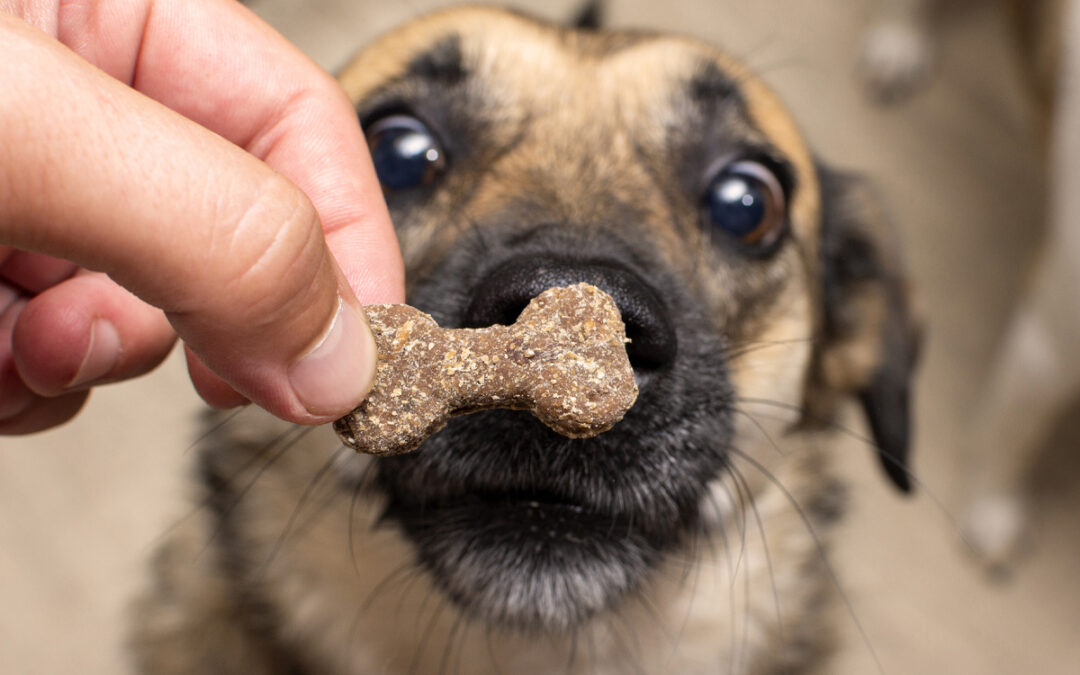

Treats can be a useful training tool, especially in the early stages, but they were never meant to be a lifelong crutch. Many dog owners reach a frustrating point where their dog listens only when food is visible. The moment treats disappear, so does the obedience.
At The DogHouse LLC, our family-owned dog training and boarding business has spent nearly 20 years helping dogs across Pinellas County develop real-world focus that doesn’t depend on a snack in your hand. True focus comes from clarity, structure, and relationship — not from constant bribery.
The goal of training isn’t a dog who obeys for food. It’s a dog who obeys because they understand, trust, and respect the communication.
Why Overusing Treats Creates Problems
Treats are effective motivators, but when used incorrectly, they can slow progress.
Common issues caused by treat dependency include:
-
dogs scanning hands instead of listening
-
refusal to respond without visible food
-
decreased focus in high-distraction environments
-
frustration when rewards aren’t immediate
-
obedience that falls apart outside the home
Dogs trained only with treats often lack follow-through when pressure increases.
Treats Are a Tool — Not the Training
Treats should introduce behaviors, not maintain them forever.
Trainer’s Insight:
Food teaches the behavior. Structure maintains it.
At The DogHouse LLC, we use treats early to build understanding, then systematically fade them so obedience becomes reliable in real life.
Step 1: Build Clear Expectations First
Before removing treats, your dog must understand the command.
Ask yourself:
-
Does my dog respond correctly in calm environments?
-
Can they complete the behavior without hesitation?
-
Do they understand what success looks like?
If the answer is no, treats may still be necessary temporarily. Focus comes from clarity, not speed.
Step 2: Stop Showing the Treat Before the Command
Dogs should respond to the command — not the reward.
Trainer’s Rule:
The treat should appear after the behavior, not before.
Hiding treats teaches dogs to focus on you instead of your hands. This simple change improves attention immediately.
Step 3: Reduce Treat Frequency Gradually
Eliminating treats all at once creates confusion. Instead, reduce predictability.
Effective Strategies:
-
reward every second or third correct response
-
vary which commands earn food
-
mix food rewards with praise or release
-
surprise rewards instead of constant reinforcement
Unpredictable rewards build stronger behavior than constant ones.
Step 4: Use Life Rewards Instead of Food
Food isn’t the only thing dogs work for.
Powerful non-food rewards include:
-
going outside
-
sniffing
-
playtime
-
freedom from the leash
-
access to favorite spaces
-
verbal praise
When obedience unlocks what the dog wants, focus improves naturally.
Step 5: Build Engagement Through Structure
Dogs focus best when they understand the system.
Structured training includes:
-
clear start and end to sessions
-
consistent follow-through
-
predictable expectations
A structured approach keeps dogs mentally engaged, without needing food every few seconds.
Step 6: Teach Calm Focus Before Excitement
Excitement kills focus. Dogs must learn to regulate themselves before working.
Practice:
-
sitting calmly before walks
-
waiting before play starts
-
settling before meals
-
holding position before release
Impulse control exercises teach dogs to think before acting.
Step 7: Increase Difficulty Without Increasing Rewards
Many owners add treats when training becomes harder. Instead, increase clarity.
Examples:
-
practice in new environments with the same expectations
-
reduce distractions before raising difficulty
-
lower excitement before asking for commands
Focus comes from preparedness, not bribery.
Step 8: Use Movement and Engagement
Dogs lose focus when training feels static or repetitive.
Add engagement by:
-
changing direction
-
incorporating movement-based commands
-
using short sessions
-
keeping energy calm but purposeful
Movement keeps dogs mentally present without overstimulation.
Step 9: Hold Dogs Accountable Calmly
Accountability builds reliability.
Accountability means:
-
one command, one response
-
calm follow-through if needed
-
no repeating or pleading
-
completion matters
Dogs focus better when they know commands matter every time.
Step 10: Reward Focus, Not Just Completion
Focus is a behavior worth reinforcing.
Reward moments when your dog:
-
checks in with you
-
maintains eye contact
-
resists distraction
-
settles without prompting
These moments build engagement far beyond food rewards.
Common Mistakes to Avoid
Avoid these habits when fading treats:
-
removing rewards too quickly
-
becoming frustrated or emotional
-
increasing excitement to compensate
-
repeating commands
-
reverting to treats under pressure
Consistency beats intensity every time.
When Professional Training Helps
Some dogs struggle to disengage from food due to inconsistent training or lack of structure.
Professional programs help dogs learn:
-
focus under distraction
-
accountability without force
-
confidence without constant reinforcement
At The DogHouse LLC, we specialize in building reliable obedience that holds up without food in hand.
Treats can start the learning process — but focus and obedience must eventually stand on their own. When dogs understand expectations, trust leadership, and experience consistent structure, focus becomes natural and dependable.
At The DogHouse LLC, our family-owned training and boarding team helps dogs move beyond treat dependence into confident, real-world obedience. When focus comes from communication instead of food, training becomes smoother, calmer, and far more effective.
Ready to build lasting focus and obedience without constant treats? Contact The DogHouse LLC to learn more about our professional training programs designed for real-life success.